
Desserts
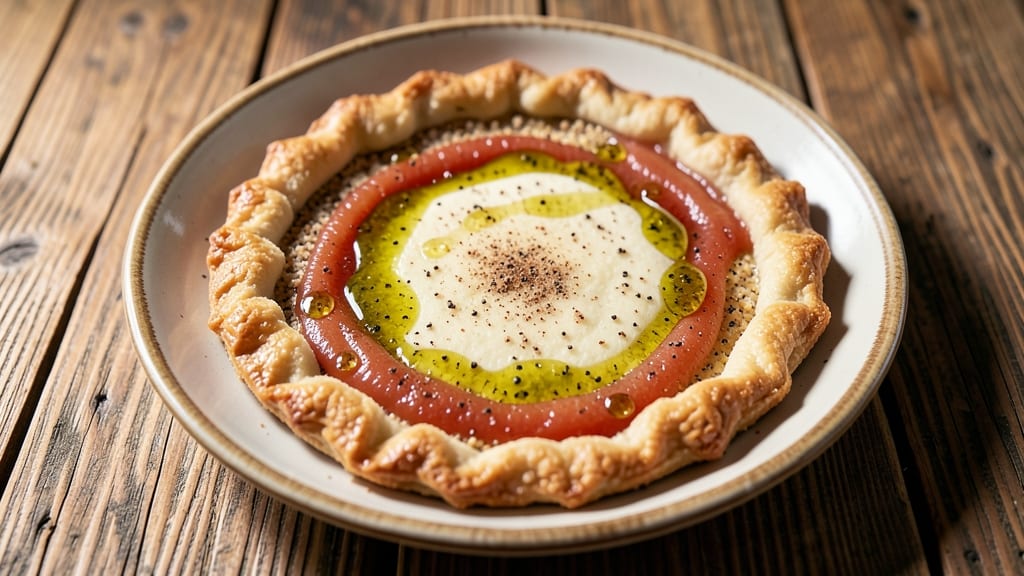
This American Heart Association pie crust recipe proves you don’t need butter or lard to create a flaky, golden crust that meets heart-healthy standards.
The secret lies in using a combination of whole wheat flour, applesauce, and a touch of olive oil to reduce saturated fat while maintaining that signature texture.
I developed this version after years of experimenting with lighter alternatives—it’s the one that finally convinced even my butter-loving family it was worth trying.
The beauty of this recipe is its versatility—it works equally well for sweet pies like apple or pumpkin, or savory options like quiche or pot pies. What sets it apart is the fiber-rich whole wheat flour, which replaces some of the refined flour while keeping the crust tender.
The applesauce acts as a fat substitute, adding moisture without the artery-clogging saturated fat found in traditional crusts. Even the olive oil, used sparingly, contributes healthy monounsaturated fats.
By the time you roll out this crust, you’ll have a foundation that’s sturdy enough to hold fillings without cracking, yet light enough to melt in your mouth.
The aroma of cinnamon or herbs baked into the crust adds an extra layer of warmth, making it feel indulgent despite its health benefits. This is the kind of recipe that proves heart-healthy eating doesn’t mean sacrificing flavor or texture.
Whether you’re baking a classic apple pie or a savory chicken pot pie, this crust delivers restaurant-quality results with a fraction of the saturated fat. The instructions are straightforward, and the ingredients are easy to find—no special equipment required.
Let’s get started on a crust that’s as good for your heart as it is for your taste buds.
Ingredients for american heart association pie crust
Eight easy ingredients transform into a flaky, heart-healthy crust that beats traditional recipes.
| Ingredient | Amount | Notes |
|---|---|---|
| Whole Wheat Flour 🌾 | 2 cups | Lightly spooned, not packed |
| Unsweetened Applesauce 🍎 | ½ cup | Unsweetened, not reduced |
| Extra-Virgin Olive Oil 🫒 | ¼ cup | High quality, fruity |
| Ice Water 💧 | ⅓ cup | Chilled for flakiness |
| Ground Flaxseed 🌿 | 1 tbsp | For binding, not flax oil |
| Salt 🧂 | ½ tsp | Fine sea salt preferred |
| Cinnamon 🌶️ | ½ tsp | Ground, for warmth |
| Ground Black Pepper 🌶️ | ¼ tsp | Freshly ground preferred |
| Baking Powder 🍞 | ½ tsp | Aluminum-free preferred |
| All-Purpose Flour 🌾 | ½ cup | For tenderness balance |
| Granulated Sugar 🍚 | 1 tbsp | Light brown sugar works |
The whole wheat flour is key here—look for King Arthur or Bob's Red Mill for the best texture. Whole Foods bulk section is my go-to for this, but any grocery store carries it. The applesauce? Mott's unsweetened is my favorite—no added sugar means no weird aftertaste. If you're using store-brand, check the label for hidden sweeteners. The flaxseed is non-negotiable for binding without butter; Bob's Red Mill sells it pre-ground, which saves time. For the olive oil, California Avocado Ranch or Bertolli are solid choices—just avoid anything that smells harsh or chemical-like.
No flaxseed? 1 tbsp cornstarch mixed with 1 tbsp water works in a pinch, though the crust won't be quite as sturdy. Swapping whole wheat flour for all-purpose? Use a 50/50 mix to keep some fiber. The cinnamon and pepper are totally optional but add warmth—McCormick ground spices are reliable if you're not near a bulk bin. For the sugar, light brown sugar adds moisture if you're making a sweet pie. And if you're worried about the crust being too dense, chilling the dough for 30 minutes makes all the difference.
This dough keeps for 3 days in the fridge wrapped tightly in plastic. For longer storage, freeze the rolled-out crust between parchment paper—thaw at room temp before baking. The applesauce can separate if stored too long, so mix it well before using. Baked crust reheats beautifully in a 350°F oven for 5-10 minutes if you're making a whole pie ahead of time. Leftovers? Crumble them into oatmeal or yogurt—trust me, they disappear fast.
Why You'll Love This Recipe
- No-Fuss Mixing: I swear by this crust because it’s literally four ingredients plus ice water—no cold butter to fuss with, no waiting for dough to chill. The flaxseed adds a subtle nuttiness that balances the whole wheat’s earthiness, and honestly? The applesauce keeps it tender without a drop of butter.
- Rich Without Guilt: That olive oil gives it a buttery depth, but with heart-healthy fiber from the whole wheat and flax. It’s the kind of crust that tastes indulgent but won’t leave you regretting it—especially when you’re sneaking veggies into your kids’ pie filling.
- Double-Duty Crust: Between us, this crust works for everything—savory galettes, fruit pies, or even as a low-carb quiche base. I’ve used it for Thanksgiving leftovers (hello, turkey pot pie) and even as a crispy top for chili. It’s my go-to when I’m lazy but still want impressive results.
- Pantry-Friendly Magic: No special ingredients here—just stuff you’re already buying. The applesauce replaces fat, the flaxseed adds protein, and the whole wheat keeps it sturdy. It’s the kind of recipe that saves money, reduces waste, and still feels like a treat. Plus, it keeps for days in the fridge, so I’m never scrambling last-minute.
Step-by-step instructions for american heart association pie crust recipe
This healthier pie crust delivers all the flaky texture you love with heart-smart ingredients.
Combine Dry Ingredients for Perfect Texture
In a large bowl, whisk together the 2 cups whole wheat flour and 0.5 cup all-purpose flour. This combination gives you the best balance of nutrition and tenderness. Add the 0.5 tsp salt, 0.5 tsp cinnamon, 0.25 tsp ground black pepper, and 0.5 tsp baking powder to the flour mixture. I like to use a whisk here to break up any flour clumps and distribute the spices evenly throughout.
Next, sprinkle in the 1 tbsp granulated sugar and mix lightly. The sugar adds just enough sweetness to complement savory fillings while keeping the crust balanced. This dry blend is your foundation—don't skip mixing it thoroughly, as even distribution ensures consistent flavor and texture throughout the crust.
Incorporate Healthy Fats and Binders
Create a well in the center of your dry ingredients and pour in the 0.5 cup unsweetened applesauce and 0.25 cup extra-virgin olive oil. The applesauce replaces traditional butter while keeping the crust moist and flavorful. Using your fingers or a pastry cutter, work these wet ingredients into the dry mixture until it resembles coarse crumbs with a few pea-sized clumps remaining.
Add the 1 tbsp ground flaxseed to the mixture. The flaxseed acts as a natural binder, helping hold the crust together without needing extra eggs. Mix gently until just combined—overmixing develops gluten and makes the crust tough. Here's the thing—you want to keep as much texture as possible for that classic pie crust flakiness, so handle the dough minimally.
Gradually Add Ice Water for Flakiness
Slowly pour in the 0.33 cup ice water while mixing with a fork or wooden spoon. The ice water is crucial—it keeps the fat solid during chilling, which creates those beautiful flaky layers. Start with half the water and mix until the dough begins to come together. If it's still crumbly, add the remaining water, 1 tablespoon at a time, until just combined.
Be careful not to overwork the dough. You're looking for a soft, slightly sticky dough that holds together when pressed. It should feel like damp sand when you squeeze it—a little crumbly but mostly cohesive. If it's too dry, add a tiny bit more ice water. The dough should be cool to the touch, which helps maintain the fat's solidity for flaky layers.
Chill Thoroughly for Maximum Flakiness
Divide the dough into two equal discs and flatten each into a 6-inch circle. Wrap each disc tightly in plastic wrap and refrigerate for at least 1 hour, or up to 24 hours for best results. Chilling is non-negotiable—it allows the gluten to relax and the fat to solidify, which prevents shrinking and ensures those signature flaky layers when baked.
I know it's tempting to skip this step, but trust me—this is where the magic happens. The longer you chill, the better the crust. For even better results, place the wrapped dough between two baking sheets before refrigerating. This prevents the discs from losing their shape and makes rolling them out later much easier.
Roll and Fit the Crust Perfectly
On a lightly floured surface, roll out one disc of dough to fit your pie dish. I like to use a rolling pin, but you can also press it gently with your hands if you're worried about overworking the dough. The crust should be about 1/8-inch thick at its thinnest points. If you notice any cracks, simply press them together gently—they'll seal during baking.
Transfer the rolled crust to your pie dish, pressing it gently into the bottom and up the sides. Trim any excess dough hanging over the edge with a sharp knife. For a classic look, you can crimp the edges by pinching them between your thumb and index finger or using a fork to create decorative indentations. The key is to handle the dough as little as possible to maintain its flakiness.
Pro Tips For Making American Heart Association Pie Crust
- Chill the Dough: This isn’t just about patience—it’s about structure. After mixing, press the dough into your pie dish, wrap it tightly in plastic, and refrigerate for at least 30 minutes. Whole wheat flour behaves differently than white, and skipping this step often leads to a gummy, uneven crust. I learned this after my first attempt turned out more like a dense, chewy mat than a proper pie base.
- Measure Applesauce Right: Use a spoon—not your hand—to scoop the unsweetened applesauce. Pack it lightly, but don’t compress it. Too much and your crust will be soggy; too little and it’ll crack. I used to eyeball it and ended up with a crust that looked like it belonged in a granola bar. A kitchen scale helps here if you’re feeling fancy, but a measuring cup works fine if you level it off.
- Cut the Flaxseed Early: Grind the flaxseed fresh in a spice grinder or coffee grinder right before mixing—don’t pre-measure it. Ground flaxseed loses its binding power fast, and this crust relies on it to hold together. I once pre-ground mine days ahead and ended up with a dough that crumbled apart when I tried to roll it. Trust me, five extra minutes now saves a headache later.
- Press, Don’t Roll: Skip the rolling pin entirely. Press the dough into the pie dish with your fingers, working from the center outward. This prevents air pockets and ensures an even thickness. I tried rolling it out once, and it tore when I transferred it—whole wheat is just too stubborn for that. Pressing keeps it intact and saves cleanup from scraps.
Dietary considerations for this recipe
Gluten-Free Adaptation
For a gluten-free version, replace the 2 cups whole wheat flour with 1 ½ cups gluten-free 1:1 baking flour (like Bob's Red Mill) and ½ cup almond flour. Add 1 extra tbsp ground flaxseed for binding since gluten-free flours lack natural elasticity.
Chill the dough for 2 hours—it needs extra time to firm up. The texture will be slightly denser but still delicious. 🌾
Lower-Sodium Option
Skip the ½ tsp salt entirely and boost flavor with 1 tsp garlic powder and ½ tsp onion powder. For extra umami, add ½ tsp nutritional yeast—it adds a cheesy depth without sodium.
This works especially well for savory pies like pot pies or quiches. Taste as you go, since spices vary in intensity. 🧄
Vegan-Friendly Swaps
Replace the 1 tbsp ground flaxseed with 2 tbsp ground chia seeds for extra binding power. Use ¼ cup melted coconut oil instead of olive oil—it adds a subtle sweetness that pairs well with desserts.
For the applesauce, ensure it’s vegan (some brands add honey). The crust will still hold together beautifully. 🌱
Nut-Free Version
Omit the almond flour from the gluten-free adaptation and use 1 ½ cups gluten-free flour blend plus ½ cup oat flour (certified gluten-free). The oat flour adds a neutral flavor and improves texture.
For extra moisture, add 1 tbsp extra applesauce to the dough. This version works for both sweet and savory pies without nut allergens. 🌾
Diabetic-Friendly Adjustments
Reduce the 1 tbsp sugar to just ½ tbsp or swap it for ½ tbsp erythritol. Use ½ cup unsweetened applesauce and ¼ cup unsweetened pumpkin puree for added fiber and moisture.
The crust will be slightly denser but still flaky, and the natural sweetness comes from the fruit purées. 🍠
Allergen-Free Tips
Always check labels for hidden allergens—some flours and spices may contain traces. For a completely safe crust, use certified gluten-free, nut-free, and soy-free ingredients. King Arthur Measure for Measure flour is a great all-purpose gluten-free option. Store all ingredients in airtight containers to prevent cross-contamination. ✨
Nutrition facts
Frequently asked questions
Why does this crust use applesauce instead of butter?
The American Heart Association recommends reducing saturated fats to improve heart health. Applesauce replaces butter while keeping the crust moist and flavorful. It also adds natural sweetness without the artery-clogging fats found in traditional crusts. This swap cuts saturated fat by over 70% compared to butter-based recipes!
Can I use this crust for savory pies like quiche?
The subtle cinnamon and pepper work beautifully with savory fillings. For extra flavor, add 1 tsp dried herbs (like thyme or rosemary) to the dry ingredients. This crust holds up perfectly to cheese, veggie, or meat fillings while keeping the heart-healthy benefits.
What if my crust cracks when baking?
Cracks are normal with whole wheat flour, but don't worry—they'll seal during baking. To prevent them, chill the dough for at least 2 hours and handle it gently when rolling. If cracks appear, press them together with your fingers before adding filling. For extra insurance, brush the bottom crust with 1 tbsp applesauce before filling.
How do I make this crust extra flaky?
For maximum flakiness, use ice water and chill the dough between two baking sheets. Keep the fat (applesauce/olive oil) cold by refrigerating all ingredients. When rolling, avoid pressing too hard—just enough to shape it. The key is minimal handling and proper chilling. This method creates those signature layers!
Is this crust suitable for freezer meals?
Yes! Roll out the crust, wrap it tightly in plastic, and freeze for up to 3 months. Thaw overnight in the fridge before using. For filled pies, assemble completely, freeze unbaked, then bake straight from frozen (add 10-15 extra minutes to baking time). The texture remains perfect after freezing.