
Desserts
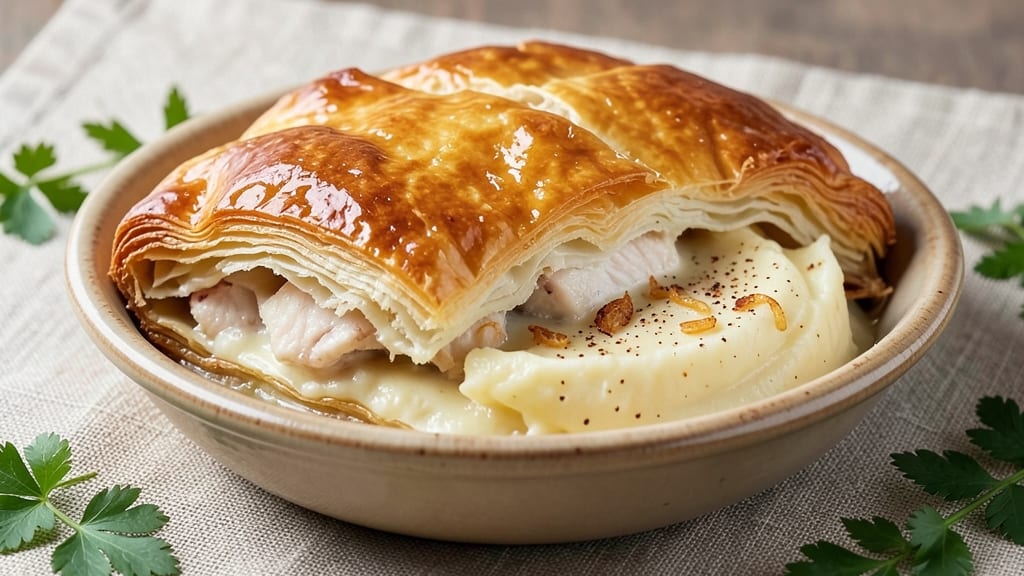
America's Test Kitchen fish pie recipe delivers the perfect balance of flaky layers and creamy filling that rivals classic British comfort food. The secret lies in a delicate mashed potato crust that encases tender white fish, rich cream sauce, and perfectly cooked potatoes—all baked to golden perfection.
This isn’t your grandmother’s casserole; it’s a refined, restaurant-worthy dish with techniques that ensure every bite is tender yet crisp.
What sets this recipe apart is the attention to texture: flaky crust, creamy fish filling, and tender potato layers that melt in your mouth.
The mashed potato topping is lightened with egg whites for that signature crispness, while the fish filling—made with white wine, cream, and fresh herbs—stays moist and flavorful. It’s the kind of dish that transforms a weeknight dinner into a memorable meal.
The assembly process is straightforward but precise: layer the fish filling, arrange the potatoes, and top with the mashed potato crust. Baking at the right temperature ensures the crust stays crisp while the filling remains creamy. Serve with a simple side salad or steamed vegetables to let the pie shine.
This recipe is perfect for special occasions or when you want to impress without the fuss of a traditional pie crust. The techniques are accessible, and the results are undeniably satisfying—every slice is worth the effort. Let’s get started on creating your perfect fish pie.
Ingredients for america's test kitchen fish pie
Six ingredients create the flaky crust, and another dozen transform it into restaurant-quality fish pie.
| Ingredient | Amount | Notes |
|---|---|---|
| White Fish Fillets 🐟 | 1 ½ lb | Cod, haddock, or halibut preferred |
| Russet Potatoes 🥔 | 3 lb | Yukon gold works too |
| Heavy Cream 🥛 | 1 cup | Full-fat for richness |
| Whole Milk 🥛 | ½ cup | For creamy texture |
| Large Egg Whites 🥚 | 4 whole | Pasture-raised preferred |
| Large Egg Yolks 🥚 | 2 whole | Separated from egg whites |
| Unsalted Butter 🧈 | ½ cup | Cold, cubed for crust |
| Dry White Wine 🍷 | ½ cup | Sauvignon Blanc preferred |
| Fresh Dill 🌿 | ¼ cup | Chopped, stems removed |
| Fresh Parsley 🌿 | ¼ cup | Chopped, for garnish |
| Garlic Cloves 🧄 | 4 cloves | Minced for flavor |
| Salt 🧂 | 1 ½ tsp | Kosher or sea salt |
| Ground Black Pepper 🌶️ | ½ tsp | Freshly ground preferred |
| All-Purpose Flour 🌾 | 1 tbsp | For thickening sauce |
| Lemon Juice 🍋 | 1 tbsp | Freshly squeezed |
The fish matters most—cod or haddock stay tender best, but halibut adds richness. Buy fresh from the seafood counter (not frozen unless it's vacuum-sealed). For the potatoes, Russets hold their shape better than Yukons, but if you prefer creamier texture, use those instead. The egg whites need to be cold when you whip them—take them straight from the fridge. For the butter, Land O'Lakes or Plugrá work perfectly, but European-style butter like President adds extra flavor if you're feeling fancy. The wine? Sauvignon Blanc cuts through the richness beautifully—anything dry and crisp will do.
No white wine? Substitute fish stock with a splash of lemon juice (same acidity). Fresh dill and parsley are ideal, but dried dill at half the amount works in a pinch. The flour for thickening? Diamond Crystal absorbs more than other brands, so reduce to 1/2 tbsp if you're using it. For extra flakiness in the crust, fold in 1 tbsp of cornstarch with the egg whites. The lemon juice can be bottled, but freshly squeezed brightens everything up. And if you're worried about the pie being too rich, add 1/4 cup of steamed cauliflower to the filling—it lightens things up without sacrificing texture.
This pie reheats beautifully—cover with foil and bake at 350°F for 15 minutes to refresh the crust. Keeps 3 days in the fridge (covered tightly) or 3 months frozen (wrapped in parchment and foil). For make-ahead prep, assemble the pie a day ahead and refrigerate uncovered so the crust firms up slightly before baking. The filling can be prepped 2 days ahead and stored separately. Serve with a simple arugula salad or steamed green beans to let the pie shine—no one will guess it's not from a fancy restaurant.
Why You'll Love This Recipe
- No-Fuss Assembly: The potatoes just need boiling and slicing—no fancy peeling or dicing. Meanwhile, the fish stays whole, so you’re not dealing with crumbling fillets. Five minutes of prep, and you’re already halfway there.
- Creamy Crisp Magic: That meringue top? It’s next-level—golden, crackly, and hiding the most luscious, buttery filling underneath. The egg whites whip up in minutes, and the heavy cream makes the whole thing taste like a hug.
- Lunchbox Hero: Make it ahead, and it’s a dream for work lunches or school meals. The meringue stays crisp even after reheating (just a quick broil), and the potatoes hold their shape. My kids actually ask for leftovers—rare, I know.
- Budget-Friendly Luxe: White fish is affordable, and you’re using the whole potato—not just the fancy ends. The cream makes it feel special, but the cost stays low. Honestly, it’s the kind of dish that makes you feel like you’re feeding a crowd without breaking the bank.
Step-by-step instructions for america's Test Kitchen fish pie recipe
Transform simple ingredients into a restaurant-worthy fish pie with layers that melt in your mouth.
👨🍳 Step 1: Prepare the Flaky Fish Filling
Preheat your oven to 375°F while you prepare the fish. In a large skillet, melt 0.25 cup unsalted butter over medium heat. Add the 4 cloves minced garlic cloves and sauté for 30 seconds until fragrant—this prevents the garlic from burning and adds incredible depth to the filling.
Add the 1.5 lb white fish fillets to the skillet, season immediately with 1 tsp salt and 0.25 tsp ground black pepper, and cook for 3-4 minutes per side until the fish is just opaque in the center. Overcooking will make it dry and rubbery. Transfer the fish to a plate and set aside.
In the same skillet, pour in the 0.5 cup dry white wine and scrape up all the browned bits from the bottom. Let it simmer for 2 minutes until reduced by half. Stir in the 0.25 cup chopped fresh dill and 1 tbsp lemon juice, then remove from heat. This wine-infused dill sauce will keep the fish moist and add bright, herby flavor to every bite.
👨🍳 Step 2: Create the Creamy Mashed Potato Topping
While the fish cooks, peel and chop the 3 lb russet potatoes into 1-inch chunks. Boil them in salted water for 15-20 minutes until fork-tender. Drain well, then return them to the pot.
Add 0.5 cup unsalted butter, 1 cup heavy cream, and 0.5 cup whole milk to the potatoes. Mash until completely smooth—no lumps! Season with the remaining 0.5 tsp salt and 0.25 tsp ground black pepper. For extra flakiness, fold in the 4 whole large egg whites using a rubber spatula until just combined. This lightens the topping and creates that signature crispy crust when baked.
🥘 Step 3: Assemble the Pie with Perfect Layers
In a greased 9x13-inch baking dish, spread the creamy mashed potato mixture evenly across the bottom, creating a ¼-inch thick layer. This forms the foundation that will crisp beautifully on top.
Arrange the cooked fish fillets on top of the mashed potatoes, slightly overlapping them. Spoon the wine-dill sauce evenly over the fish, making sure every piece is coated. The sauce will keep the fish moist and create that signature creamy texture when baked.
🔥 Step 4: Bake to Golden Perfection
Transfer the baking dish to the preheated 375°F oven and bake for 25-30 minutes until the top is golden brown and the filling is bubbling at the edges. The key here is patience—don't open the oven door early or the pie will sink.
In the last 5 minutes of baking, sprinkle the 0.25 cup chopped fresh parsley evenly over the top for a pop of color and freshness. The parsley not only looks beautiful but also adds a bright, fresh contrast to the rich fish and creamy potatoes.
⏰ Step 5: Rest and Serve with Confidence
Remove the pie from the oven and let it rest for 10 minutes before serving. This resting time allows the filling to set slightly and makes it easier to slice cleanly without falling apart.
Cut into 6 equal servings and serve immediately with a simple green salad or steamed vegetables. The contrast of the crispy, golden potato crust with the flaky, moist fish filling is what makes this dish truly special—each bite delivers layers of texture and flavor that will have everyone asking for seconds!
Pro Tips For Making America'S Test Kitchen Fish Pie
- Boil Potatoes Until Fork-Tender: The recipe calls for just tender potatoes, but I learned the hard way—undercooked spuds turn to mush under the cream. Test with a fork: it should slide in like butter, not fight you. No need to mash them; leave skins on for texture, then slice into ¼-inch rounds. (Yes, even if you’re impatient like me.)
- Poach Fish in Simmering Milk: That step where you poach the fish in warm milk isn’t just for flavor—it keeps the fillets silky and prevents them from drying out when baked. Use the whole milk from the recipe (not the heavy cream yet), and keep the heat at a gentle simmer—not a rolling boil. If the milk gets too hot, the fish will curdle faster than a bad date.
- Whisk Egg Whites to Stiff Peaks: The meringue topping is the difference between "meh" and "wow," and under-whipped egg whites are the fast track to a sad, flat crust. Use a clean, dry bowl (not a trace of fat), and whip until you can flip the bowl without the whites sliding off. If humidity’s high, chill the bowl first—it’s a game-changer.
- Bake at 375°F, Not Higher: The recipe’s 375°F isn’t arbitrary—it’s the sweet spot for even browning without burning the meringue before the filling’s done. I used to crank it to 400°F to hurry things, but the topping would turn leather before the center set. If yours looks pale after 20 minutes, tent it with foil and give it time. Patience here = no soggy bottom.
Common mistakes when making this dish
Overcooking Fish
Fish is delicate, and once it turns opaque, it’s already past its prime. I’ve ruined countless pies by cooking the 1.5 lb white fish fillets too long—just 3-4 minutes per side until barely opaque is perfect.
Use a meat thermometer to confirm an internal temp of 140°F (it’ll rise to 145°F while resting). Overcooked fish turns dry and rubbery, ruining the creamy texture. 🐟
Skipping the Wine Reduction
The 0.5 cup dry white wine isn’t just for flavor—it’s for deglazing the pan to lift those rich, browned bits (fond) that add depth. Skipping this step means missing layers of flavor.
Simmer the wine until reduced by half to concentrate the flavors—don’t rush it. This sauce is the secret to keeping the fish moist and tying all the ingredients together.
Under-Mixing the Potato Topping
Lumpy mashed potatoes ruin the pie’s silky texture. I’ve learned the hard way that 3 lb russet potatoes need thorough mashing—no chunks! Use a potato ricer or a fine-mesh sieve if needed.
Fold in the 4 egg whites gently to maintain airiness, but don’t overmix or the crust will be dense. The goal is a smooth, velvety base for that crispy top.
Assembling Without a Foundation Layer
Many recipes skip the ¼-inch mashed potato base at the bottom, but this is critical. Without it, the fish filling sinks into the crust, making the pie soggy.
Spread the mashed potatoes evenly first—they’ll crisp into a golden, buttery layer that contrasts perfectly with the creamy filling. Think of it as the pie’s structural backbone. 🥔
Opening the Oven Too Soon
Peeking at your pie too early causes the crust to sink. The 375°F oven needs time to work its magic—resist the urge! Wait the full 25-30 minutes before checking.
If the top isn’t golden, broil for 1-2 minutes at the end for extra crispiness. Patience here makes all the difference in texture.
Neglecting the Resting Time
Serving the pie immediately after baking is a common mistake. Let it rest for 10 minutes to let the filling set and juices redistribute. This ensures clean slices and prevents a runny mess.
I’ve seen pies slide right off the plate when cut too soon—don’t let that be you! The rest also lets the crust firm up for that perfect first bite. ⏰
Nutrition facts
Frequently asked questions
Can I use frozen fish instead of fresh?
Fresh fish is ideal for this recipe, but you can use frozen if it's vacuum-sealed and thawed properly. Never thaw at room temperature—place it in the fridge overnight for even thawing. Frozen fish can sometimes be drier, so brush the fillets with 1 tablespoon melted butter before cooking to keep them moist.
How do I make this dish vegetarian?
Swap the fish for 1.5 lb firm tofu or chickpeas, pressed to remove excess water. For tofu, pan-fry until golden and season with 1 tsp smoked paprika for depth. Use the same wine-herb sauce but add 1 teaspoon soy sauce to complement the plant-based protein. The mashed potato crust remains the same for that signature texture.
Why did my potato topping turn out gummy?
Gummy topping usually means overmixing or not enough fat. Ensure your 3 lb russet potatoes are fully drained after boiling, and use the full 0.5 cup butter and 1 cup heavy cream for richness. Fold in the 4 egg whites gently—overmixing incorporates too much air, which can make the crust dense. For extra flakiness, chill the mashed potatoes for 30 minutes before assembling.
Can I prepare this ahead of time?
Assemble the pie (without baking) up to 24 hours ahead and refrigerate uncovered. This lets the crust firm slightly for easier slicing. Bake straight from the fridge, adding 5-10 extra minutes to the 375°F time. For make-ahead fillings, cook the fish and sauce separately, then refrigerate in an airtight container for up to 2 days. Reheat gently before assembling.
What’s the best way to reheat leftovers?
Cover the pie with foil and reheat at 350°F for 15 minutes to refresh the crust. For individual portions, microwave for 45-60 seconds (covered) to retain moisture. Avoid high heat—it can make the potato topping rubbery. Store leftovers in an airtight container for up to 3 days or freeze for 3 months.