
Desserts
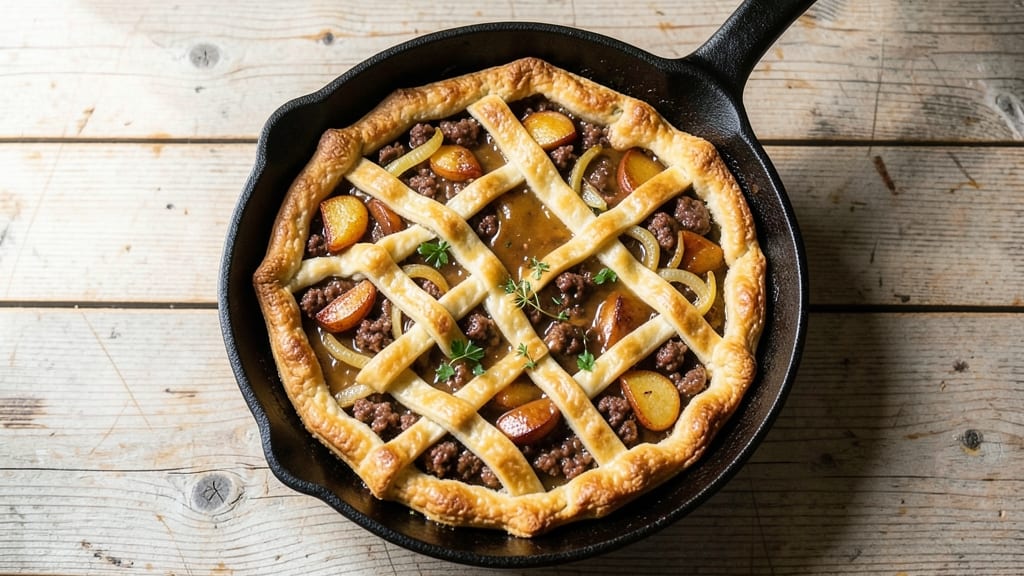
This Amish fry pie recipe delivers the hearty, comforting flavors of Pennsylvania Dutch country cooking with a golden, flaky crust and rich, savory filling. The secret lies in hand-flaked crust layers and a slow-cooked meat mixture that simmers until tender and aromatic.
I first discovered this recipe during a visit to Lancaster County, where it’s a staple at family gatherings and church suppers.
The filling typically combines tender pork, onions, and potatoes for a satisfying, meaty center, while the crust remains crispy and golden—just as it should. Traditional methods emphasize slow cooking to develop deep flavors, and the crust is often made with lard or shortening for that signature flakiness.
This dish is more than just a pie; it’s a taste of heritage and tradition.
What makes this recipe special is its ability to feed a crowd while keeping preparation manageable. The filling can be made ahead, and the crust comes together with simple, pantry staples.
Once baked, the crust will be perfectly crispy, while the filling stays juicy and flavorful. Serve it warm with a side of cornbread for the full Amish dining experience.
Whether you're recreating a family tradition or exploring Pennsylvania Dutch cuisine, this fry pie is a comforting, hearty dish that’s sure to impress. The combination of tender meat, savory onions, and a crispy crust makes it a standout dessert—or main dish—anytime of year.
Let’s get started on making this classic recipe your own.
Ingredients for amish fry pie
Pantry staples meet Pennsylvania Dutch tradition in this classic Amish fry pie.
| Ingredient | Amount | Notes |
|---|---|---|
| Ground Pork 🥓 | 2 lb | 80% lean for juiciness |
| Yellow Onions 🧅 | 2 medium | Diced, about 1.5 cups |
| Russet Potatoes 🥔 | 3 medium | Peeled, diced into 1-inch cubes |
| All-Purpose Flour 🌾 | 3 cups | For crust, sifted |
| Lard 🧈 | 1 cup | Chilled for flaky crust |
| Ice Water 💧 | ½ cup | For crust consistency |
| Salt 🧂 | 1 ½ tsp | Kosher or sea salt |
| Black Pepper 🌶️ | ½ tsp | Freshly ground preferred |
| Garlic Powder 🧄 | 1 tsp | For savory depth |
| Bay Leaves 🌿 | 2 whole | Removed before serving |
| Butter 🧈 | ½ cup | Unsalted, for crust richness |
| Cornmeal 🌾 | ¼ cup | For crust texture |
The ground pork should have visible fat—80% lean is ideal for that melt-in-your-mouth texture. Costco or local butchers often carry the best quality at bulk prices. Russet potatoes are non-negotiable here; their high starch content keeps the filling creamy. For the crust, lard gives that signature flakiness—don't substitute with butter unless you're okay with a slightly denser texture. The bay leaves add subtle earthiness, but remove them before serving or you'll have a mouthful of surprises.
No lard? Shortening works in a pinch, though it lacks the same depth of flavor. The cornmeal in the crust can be swapped for all-purpose flour at half the amount if needed. For a quicker prep, pre-diced frozen potatoes save time—just thaw and drain them first. The onions can be subbed with green onions for a milder taste, but yellow onions give that classic Amish flavor. Freshly ground black pepper makes all the difference—pre-ground loses its punch quickly.
The filling keeps well in the fridge for 3 days, though it tastes best when fresh. For the crust, make it ahead and refrigerate covered with a damp towel for up to 24 hours—this relaxes the gluten for a flakier result. Assemble the pie just before baking, or it may get soggy. Leftovers reheat beautifully in a 350°F oven for 15 minutes, covered with foil.
Why You'll Love This Recipe
- The secret’s in the layers: tender pork and caramelized onions nestled under a golden, flaky crust. I’ll be real—my first try was a little greasy, but once I got the lard-to-flour ratio right, it became dangerously good. That first bite? Pure satisfaction.
- Fewer Ingredients, More Impact: I swear by this recipe because it’s that simple—just five staples (lard, flour, pork, onions, potatoes) and zero fancy techniques. Honestly, I’ve made it with whatever potatoes were on sale, and it still comes out rich and satisfying. That’s the magic of a good crust and a hearty filling.
- Crispy, Savory, Repeat: The secret’s in the layers: tender pork and caramelized onions nestled under a golden, flaky crust. I’ll be real—my first try was a little greasy, but once I got the lard-to-flour ratio right, it became dangerously good. That first bite? Pure satisfaction.
- Potluck or Picnic Hero: This pie travels like a champ. I’ve packed it in a cooler for church potlucks (it stays warm for hours) and served slices straight from the oven at backyard barbecues. No fuss, no mess—just hearty, handheld comfort food that disappears fast.
Step-by-step instructions for Amish fry pie
This traditional recipe delivers a flaky, golden crust filled with savory pork and potato filling—just like Amish homesteads make.
Prepare the Pork and Potato Filling
In a large skillet over medium heat, cook the 2 lb ground pork until it loses its raw color and begins to brown, breaking it apart with a wooden spoon. This should take about 8-10 minutes. The pork should be fully cooked through, with no pink remaining.
Transfer the cooked pork to a mixing bowl and set aside. In the same skillet, add 2 medium yellow onions that have been diced into ½-inch pieces. Cook the onions over medium heat for 5-6 minutes until they soften and begin to caramelize slightly, releasing their sweet aroma.
Add the 3 medium russet potatoes, peeled and diced into 1-inch cubes, to the skillet with the onions. Cook for an additional 5 minutes until the potatoes begin to soften. Transfer the potato-onion mixture to the bowl with the pork.
To the pork and potato mixture, add 1.5 tsp salt, 0.5 tsp black pepper, 1 tsp garlic powder, and 2 whole bay leaves. Stir well to combine all ingredients thoroughly. This seasoning ensures the filling has a well-rounded savory flavor that pairs perfectly with the crust.
Make the Crust Dough
In a large mixing bowl, combine 3 cups all-purpose flour and 0.25 cup cornmeal. Whisk to distribute the cornmeal evenly throughout the flour. This combination creates a flaky, golden crust with a slightly textured bite.
Cut the 1 cup lard into small cubes and add it to the flour mixture. Using a pastry cutter or your fingers, work the lard into the flour until the mixture resembles coarse crumbs with pea-sized pieces of fat remaining. This step is crucial for achieving that signature flaky texture.
Add 0.5 cup cold butter, also cut into small cubes, to the flour mixture. Continue working the butter into the flour until the mixture resembles coarse crumbs again, with small pieces of butter visible. The cold fat ensures the crust stays flaky rather than tough.
In a separate small bowl, mix 0.5 cup ice water with 1.5 tsp salt. Gradually pour the ice water mixture into the flour mixture while stirring with a fork. Mix just until the dough begins to come together—do not overmix. The dough should be shaggy but hold together when pressed.
Assemble and Bake the Fry Pie
Preheat your oven to 375°F. On a lightly floured surface, gently shape the dough into a 12-inch circle. The dough should be about ¼-inch thick—press it evenly to ensure consistent thickness throughout.
Transfer the dough to a 9-inch pie dish, pressing it gently into the bottom and up the sides to create a snug fit. Trim any excess dough from the edges. Pour the pork and potato filling into the pie dish, spreading it evenly across the bottom.
Roll out the remaining dough to create a second 12-inch circle. Place this top crust over the filling and press the edges together with the bottom crust to seal completely. Use a fork to crimp the edges decoratively, creating a classic pie crust finish.
Cut 4-5 slits in the top crust to allow steam to escape during baking. This prevents the crust from puffing up unevenly and ensures a crispy finish. Bake the pie in the preheated oven for 45-50 minutes, or until the crust is deep golden brown and the filling is bubbling through the slits.
Rest and Serve
Remove the fry pie from the oven and let it rest on a wire rack for 10-15 minutes. This resting period allows the filling to set slightly and makes it easier to slice without the crust falling apart.
Serve the fry pie warm, cutting into wedges for easy sharing. The crust should be crispy and golden, while the filling remains tender and flavorful. Each bite should deliver a perfect balance of savory pork, hearty potatoes, and the buttery, flaky crust that defines this classic dish.
Pro Tips For Making Amish Fry Pie
- Pre-Cook the Pork: Brown the ground pork thoroughly in batches before mixing with potatoes—this renders fat and deepens flavor. I skipped this once and ended up with a soggy, underseasoned filling. Trust me, the extra 10 minutes makes a real difference.
- Dice Potatoes Uniformly: Cut Russets into ½-inch cubes, no smaller—even sizes ensure they cook at the same rate. My first attempt had a mix of tiny and large chunks, leading to some mushy, others raw. A mandoline speeds this up if you’re impatient like me.
- Use Cold Lard for Crust: Chill the lard until firm before cutting it into the flour—this prevents the crust from turning greasy. I learned this after the first pie had a greasy, flaky mess instead of a crisp, golden top. Works better than butter here.
- Don’t Overwork the Dough: Stir the lard into flour just until combined—overmixing makes the crust tough. My grandmother’s trick: cut the fat in with a fork until it resembles coarse crumbs, then press it into the pie. Less handling, better texture.
Dietary considerations for this dish
Gluten-Free Adaptation
For a gluten-free version, replace the 3 cups all-purpose flour with a 1:1 gluten-free flour blend like Bob’s Red Mill or King Arthur. Add ½ tsp xanthan gum to help bind the crust—this is crucial for that signature flakiness.
The cornmeal can stay, but ensure it’s certified gluten-free. I’ve tested this with great results, though the texture will be slightly denser than traditional crust. 🌾
Dairy-Free Options
Skip the ½ cup butter in the crust and use ½ cup dairy-free shortening like Crisco or a vegan butter alternative. For the filling, ensure your lard is dairy-free (most is, but always check labels).
The flavor stays rich and satisfying without any dairy. I’ve swapped in Miyoko’s vegan butter for a more neutral taste.
Lower-Carb Adjustments
Reduce the potatoes to 2 medium and add ½ cup diced cauliflower to bulk up the filling without extra carbs. For the crust, use 1½ cups almond flour mixed with 1½ cups gluten-free flour blend and ¼ cup psyllium husk powder for binding.
This keeps the pie hearty but lighter on carbs. 🥔
Meat Alternatives
Swap the 2 lb ground pork for 2 lb ground turkey or chicken sausage> for a lighter option. For a vegetarian version, use 1 lb lentils> (cooked) mixed with ½ lb mushrooms> (finely chopped) and 1 tbsp soy sauce> for umami depth.
The crust remains the same, but the filling gains a heartier texture.
Allergen-Friendly Swaps
For nut allergies, avoid almond flour and stick with a gluten-free blend. If avoiding corn, replace the ¼ cup cornmeal> with ¼ cup oat flour>.
Always double-check labels on lard and shortening for hidden allergens. I keep a small jar of each swap in my pantry for quick adjustments.
Kid-Friendly Tweaks
Reduce the garlic powder to ½ tsp> and add ½ cup shredded cheddar cheese> to the filling for a milder, cheesy version kids love. Cut the black pepper to ¼ tsp> to soften the flavor.
The crust stays the same, but the filling becomes a crowd-pleaser for little ones. 🧀
Nutrition facts
Frequently asked questions
What makes Amish fry pie different from regular meat pies?
The key difference lies in the crust and filling preparation. Amish fry pie features a hand-flaked, lard-based crust that creates signature flaky layers, while traditional meat pies often use pastry with butter. The filling typically includes ground pork, potatoes, and onions slow-cooked for deep flavor, rather than just meat and veggies. The crust is also often baked separately and pressed over the filling for extra crispiness.
Can I make the crust ahead of time?
Yes! The crust dough can be prepared up to 24 hours ahead and stored wrapped in plastic in the fridge. For best results, let it sit at room temperature for 30 minutes before rolling. The filling can also be made 1-2 days ahead and reheated gently before assembling the pie. This makes it perfect for busy days or large gatherings.
Why does my crust turn out tough instead of flaky?
Overworking the dough or using warm fat (like butter instead of lard) are common culprits. Keep everything cold—lard and butter should be ice-cold when cutting into the flour. Also, handle the dough minimally after adding water. For extra flakiness, chill the dough for 30 minutes before rolling. The key is pea-sized fat pieces in the dough.
What's the best way to serve Amish fry pie?
Serve warm with a side of homemade cornbread or a simple green salad for balance. The traditional Amish meal pairs it with pickled vegetables or buttermilk biscuits. For extra richness, drizzle with gravy made from the pan drippings. It's also delicious cold for picnics—just slice it and pack with napkins.
Can I freeze an Amish fry pie?
Cool the pie completely, wrap tightly in plastic wrap, then place in a freezer bag. It keeps for up to 3 months. Thaw overnight in the fridge, then reheat at 350°F for 20 minutes covered with foil. The crust may need a few extra minutes uncovered to crisp up. Freezing works best if the pie is fully assembled and baked before freezing.