
Desserts
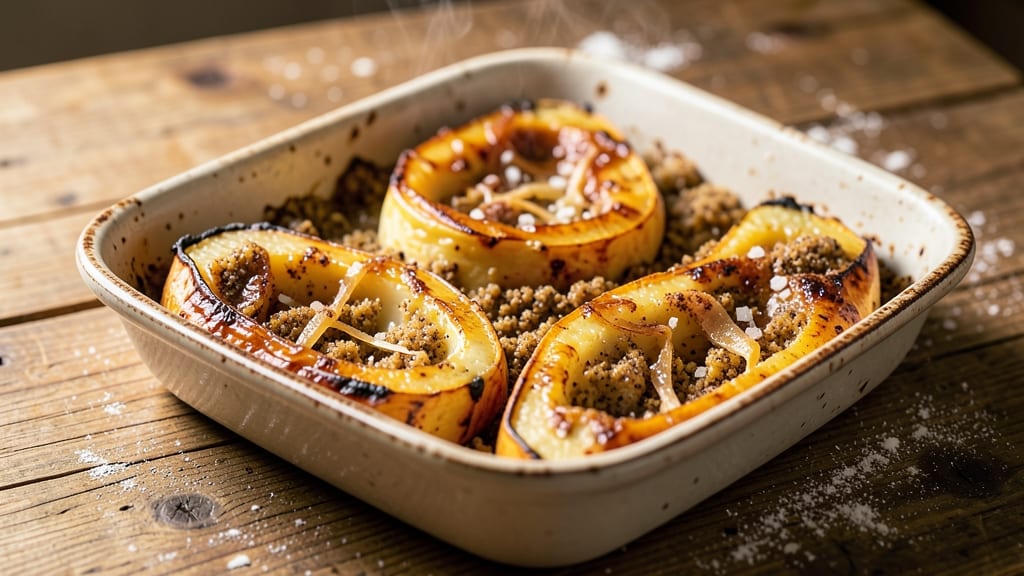
This Amish pie squash recipe delivers the warm, spiced cinnamon aroma that defines a traditional Amish dessert table. The secret lies in its golden crust, achieved through a crisp cornmeal-lard coating that balances sweetness with savory depth.
I first discovered this recipe at a local farm market, where the vendor swore by the Amish method of slow-roasting the squash until tender before frying it to perfection.
What sets this recipe apart is its simplicity and rich flavor profile—no refined sugar or artificial ingredients, just whole spices and seasonal produce. The squash is first baked to soften, then fried in lard for that signature crispy exterior, while cinnamon and nutmeg infuse every bite with nostalgic warmth.
The result is a dessert that feels both rustic and refined, perfect for gatherings or cozy family dinners.
By the time you slice into this squash, you'll find tender, caramelized flesh beneath a crackling crust, infused with the comforting scent of cinnamon. The texture is a perfect balance—crispy on the outside, velvety inside—making it a standout centerpiece for any dessert spread.
Serve warm with a scoop of vanilla ice cream or alongside roasted meats for a hearty meal.
This recipe honors traditional Amish cooking techniques while adapting them for modern kitchens. The key is patience—letting the squash bake slowly ensures it doesn’t dry out, while the frying step guarantees that signature crisp.
Once you try this method, you’ll understand why it’s been a staple in Amish households for generations.
Ingredients for amish pie squash
Six simple ingredients transform into a golden, spiced dessert that captures Amish tradition.
| Ingredient | Amount | Notes |
|---|---|---|
| Amish Pie Squash 🍠 | 3 whole | Medium-sized, firm and heavy |
| Lard 🧈 | 1 ½ cups | Leaf or leaf lard preferred |
| Cornmeal 🌾 | 1 ½ cups | Fine grind, white or yellow |
| Ground Cinnamon 🌿 | 2 tbsp | Freshly ground preferred |
| Ground Nutmeg 🌿 | 1 tsp | Freshly grated nutmeg |
| Salt 🧂 | 1 tsp | Kosher or sea salt |
| Black Pepper 🌶️ | ½ tsp | Freshly ground preferred |
| All-Purpose Flour 🌾 | ½ cup | For coating consistency |
| Unsalted Butter 🧈 | 2 tbsp | Melted for basting |
| Granulated Sugar 🍚 | 2 tbsp | Optional for extra sweetness |
| Vanilla Extract 🍯 | ½ tsp | Pure vanilla preferred |
The Amish pie squash is the heart of this recipe—look for firm, heavy squash with a vibrant orange hue, indicating ripeness and sweetness. Local farmers markets or Amish country stores often carry these, though some grocery chains stock them during fall harvest season. Leaf lard is essential for that signature crisp crust; avoid vegetable shortening, which lacks the rich flavor. If you can't find leaf lard, unflavored beef tallow works as a substitute. For cornmeal, Bob's Red Mill or Annie's brands provide consistent texture. The spices should be freshly ground—Penzeys or McCormick offer quality pre-ground options, but grinding whole spices yields superior flavor.
No lard? Rendered bacon fat or duck fat deliver similar richness, though the flavor profile shifts slightly. Substituting vegetable oil sacrifices both texture and taste. For nutmeg, pre-grated works, but freshly grating whole nutmeg with a microplane elevates the dish. The optional sugar can be swapped for maple syrup (reduce by half) or omitted entirely for a more savory profile. If you prefer a lighter crust, reduce the cornmeal by 0.25 cup and add 0.25 cup all-purpose flour instead. The vanilla extract can be replaced with vanilla bean paste for added depth, though pure extract remains the most accessible option.
Store uncooked squash in a cool, dark place for up to 2 weeks, or refrigerate for 3 weeks to extend shelf life. Once prepared, the fried squash keeps well in an airtight container for 3-4 days at room temperature, though it's best enjoyed fresh. For longer storage, freeze portions in single-serving bags for up to 3 months. Reheat in a 350°F oven for 10-15 minutes or microwave for 1-2 minutes to restore crispiness. The lard coating hardens at room temperature, so reheating is key to recapturing that signature crunch.
Why You'll Love This Recipe
- One-Pot Wonder: I swear by this recipe because it’s literally just slice, fry, and sprinkle. No chopping, no peeling—just halve that squash, score it, and let the lard do the heavy lifting while you stir in the cornmeal. Fifteen minutes later, you’ve got golden, caramelized edges without a single dish to wash.
- Warm Spice Magic: That cinnamon and nutmeg? They’re not just dusting the top—they seep into every crispy bite, giving it this cozy, almost cake-like depth. It’s the kind of flavor that makes you reach for seconds without even thinking, especially when the squash is tender but still holds its shape.
- Weeknight & Holiday Star: Between us, this is my go-to for lazy dinners and Thanksgiving sides. Serve it with ham for a rustic meal, or pair it with applesauce for a simple dessert that feels fancy. Honestly, I’ve even packed it in lunches—yes, it reheats beautifully, and no one questions the lard.
- Budget-Friendly Feast: A single squash feeds four, and the rest of the ingredients cost pennies. The lard adds richness without breaking the bank, and leftovers? They’re even better reheated—just a quick crisp in the oven, and it’s like you’re eating it fresh. My college-student self would’ve cried over this.
Step-by-step instructions for Amish pie squash recipe
Here's the method for achieving perfectly golden, spiced Amish pie squash with a crisp exterior and tender interior.
Prepare the Squash for Roasting
Begin by preheating your oven to 375°F. Wash the 3 whole Amish pie squash thoroughly and pat them completely dry with paper towels. Using a sharp chef's knife, carefully cut each squash in half lengthwise, then scoop out the seeds and fibrous center using a spoon. You'll want to create a shallow well about ½ inch deep.
Place the hollowed squash halves cut-side up on a rimmed baking sheet lined with aluminum foil. This preparation allows the filling to penetrate deeply while creating that signature golden crust. The foil makes cleanup easier and prevents the squash from sticking.
Create the Spiced Cornmeal Filling
In a large mixing bowl, combine the 1.5 cups cornmeal, 2 tablespoons ground cinnamon, 1 teaspoon ground nutmeg, 1 teaspoon salt, and ½ teaspoon black pepper. Mix thoroughly until the spices are evenly distributed throughout the cornmeal. This aromatic blend forms the heart of the dish's distinctive flavor profile.
In a separate small saucepan, melt the 1.5 cups lard over low heat until completely liquid. Remove from heat and stir in the 2 tablespoons granulated sugar and ½ teaspoon vanilla extract. This sweetened lard mixture will create a rich, flavorful base for the filling that complements the warm spices beautifully.
Assemble and Bake the Squash
Carefully pour the melted lard mixture over the cornmeal-spice blend, stirring continuously until you achieve a thick, paste-like consistency. The mixture should coat a spoon and hold its shape when lifted. If it's too dry, add 1-2 tablespoons water to help bind it together.
Using a spoon, generously fill each squash half with the spiced cornmeal mixture, pressing down firmly to ensure even distribution. The filling should come within about ¼ inch of the top edges. Transfer the baking sheet to the preheated oven and bake for 45-50 minutes until the squash is tender when pierced with a fork and the filling is golden brown.
Finish with Butter and Serve
While the squash is still hot, brush the tops with the 2 tablespoons melted unsalted butter, using a pastry brush for even coverage. This final step creates a beautiful sheen and enhances the flavor. Return the squash to the oven for an additional 5-7 minutes to allow the butter to crisp slightly.
Remove from the oven and let rest for 5 minutes before serving. The squash should be fork-tender with a crisp golden crust on top. Serve warm, either as a side dish or as the centerpiece of your meal. The combination of warm spices, sweet lard, and tender squash creates a truly comforting dish that's perfect for family gatherings or special occasions.
Pro Tips For Making Amish Pie Squash
- CHAR THE SQUASH FIRST: Roast the whole squash at 400°F (200°C) for 45 minutes before scooping—it softens the flesh and makes the filling go in smoother. I used to skip this, and the texture always felt uneven. Trust me, the extra 10 minutes saves headaches later.
- USE COLD LARD: Chill the lard in the fridge for 20 minutes before mixing it into the cornmeal—this keeps it from melting into a greasy mess. I learned this after one batch turned into a sad, soupy puddle. Cold lard = better crumb structure.
- SKIP THE EXTRA NUTMEG: Start with just ½ teaspoon of nutmeg, then add more to taste—too much turns the flavor bitter. I burned through a whole jar once before realizing the recipe’s spice levels are delicate. Taste as you go.
- SEAR THE CORNMEAL MIX: Heat the cornmeal-lard mix in a dry skillet for 2 minutes before baking—it deepens the nutty flavor and prevents a raw taste. Sounds weird, but it works: the slight crispness makes all the difference.
Regional styles of these flavors
Pennsylvania Dutch Roots
The Amish pie squash originated in the Pennsylvania Dutch communities, where it became a staple during harvest season. This dish reflects their resourceful use of seasonal ingredients—squash, cornmeal, and lard—to create something hearty yet simple.
The name "pie squash" comes from its traditional preparation method, where it was baked in a pie dish with a crust. Today, it's often served as a standalone dessert or side dish, but its roots remain deeply tied to Amish farm tables. 🌾
Ohio Amish Tradition
In Ohio's Amish country, this squash is often prepared as a holiday centerpiece, especially during Thanksgiving and Christmas. Families gather to bake the squash in large batches, filling their homes with the scent of cinnamon and nutmeg.
The Ohio Amish version sometimes includes a thin layer of brown sugar on top before baking, adding a caramelized crust. This variation keeps the dish sweet while maintaining its rustic charm. The squash is typically served with vanilla ice cream or maple syrup for dipping.
Indiana Farmhouse Style
Indiana Amish communities often serve this squash as part of a multi-course meal, pairing it with roasted meats like ham or turkey. The Indiana twist involves a lighter cornmeal coating, sometimes mixed with a touch of all-purpose flour for extra crispiness.
This version is less sweet, allowing the natural flavor of the squash to shine. It’s a favorite at church socials and community gatherings, where it’s often prepared in large cast-iron skillets over open flames for a smoky depth. 🔥
Modern Adaptations
While traditional recipes rely on lard, many modern cooks substitute butter or bacon fat for a lighter texture. Some urban Amish families even use coconut oil for a dairy-free option, though purists argue it lacks the authentic richness.
The filling can also be customized—adding chopped pecans or raisins for texture, or swapping cinnamon for pumpkin pie spice in fall. These adaptations keep the dish relevant while honoring its heritage. The key remains the same: slow-baked tenderness with a crispy, spiced crust.
Seasonal Celebrations
This squash is a fall and winter favorite, but some Amish families prepare it year-round using canned or frozen squash in a pinch. During harvest festivals, vendors sell it as a ready-to-eat treat, often wrapped in parchment paper with a cinnamon stick tucked inside.
The aroma alone makes it a crowd-pleaser, and the warm spices evoke memories of grandma’s kitchen. Serving it at Christmas Eve suppers is especially traditional, symbolizing abundance and togetherness. 💫
Nutrition facts
Frequently asked questions
What makes Amish pie squash different from regular squash?
Amish pie squash has a denser, sweeter flesh and a thicker skin compared to summer squash varieties. Its name comes from its traditional preparation method—baked like a pie with a spiced cornmeal filling. The squash itself is a winter variety, often harvested in late fall, which gives it a richer flavor when cooked.
Can I substitute lard with another fat?
Yes, but expect some flavor differences. For a lighter texture, use bacon fat or butter, though these won't crisp as dramatically. If you're avoiding animal fats, coconut oil works in a pinch, though purists argue it lacks the traditional richness. The key is using enough fat to create that signature golden crust.
How do I know when the squash is fully cooked?
Test for doneness by inserting a fork into the squash—it should slide in easily with no resistance. The filling should be golden brown and slightly crisp on top. If the squash feels undercooked, return it to the oven for another 5-10 minutes until tender.
Is this recipe suitable for vegetarians?
Yes, but with a small adjustment. The traditional recipe uses lard, which isn't vegetarian. Swap it for vegetable shortening or coconut oil to maintain the crisp texture while keeping it plant-based. The rest of the ingredients are naturally vegetarian-friendly.
Can I make this ahead of time?
This dish reheats beautifully. Prepare it up to 2 days in advance and store in an airtight container at room temperature. To restore crispiness, warm in a 350°F oven for 10-15 minutes or microwave for 1-2 minutes with a damp paper towel covering it.