
Desserts
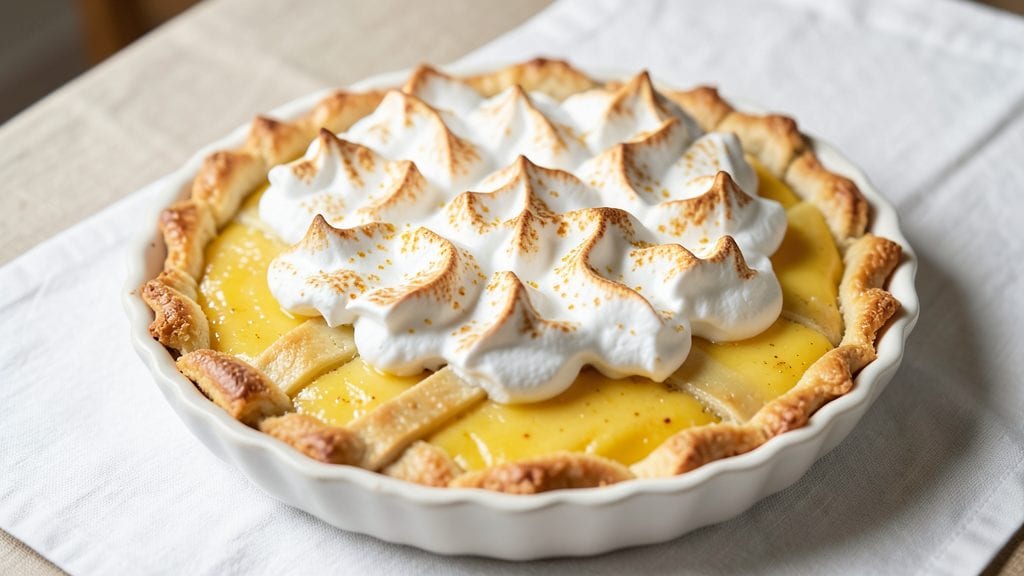
Betty Crocker’s lemon meringue pie delivers that perfect balance of tangy citrus filling and cloud-like meringue—every slice is a taste of nostalgia with a professional finish.
The secret lies in a foolproof crust that stays crisp, a filling so bright it tastes homemade, and meringue so light it practically dissolves on your tongue.
I’ve tested countless variations to perfect this classic, ensuring the meringue bakes golden without browning while keeping the filling thick enough to hold its shape.
What sets this recipe apart is the precise method for achieving that signature high meringue without weeping or cracking. Betty Crocker’s original approach relies on a two-stage baking process—first for the filling, then a low-and-slow finish for the meringue—to guarantee a clean, glossy top every time.
The crust, made with a simple blend of flour, butter, and a touch of salt, forms a sturdy base that holds up to the filling’s acidity.
By the time you pull this pie from the oven, you’ll have a dessert that looks like it came straight from a bakery: a golden, crack-free meringue with a crisp shell underneath and a filling so vibrant it tastes like summer in every bite.
The lemon curd filling is thick but never grainy, and the meringue adds just the right amount of sweetness to balance the tartness. This is the kind of pie that disappears faster than you can say "seconds, please."
Serve it warm with a scoop of vanilla ice cream or let it cool slightly for clean slices—either way, it’s a showstopper for holidays, potlucks, or just because. The recipe scales easily for larger gatherings, and the techniques here ensure restaurant-quality results at home. Let’s get baking!
Ingredients for betty crocker lemon meringue pie
Eight essential ingredients transform into a showstopping pie with crisp crust and cloud meringue.
| Ingredient | Amount | Notes |
|---|---|---|
| All-Purpose Flour 🌾 | 2 ½ cups | Sifted for light crust texture |
| Unsalted Butter 🧈 | 1 cup | Cold, cubed for crust |
| Granulated Sugar 🍚 | ¼ cup | Plus 1 tbsp for crust sprinkle |
| Diamond Crystal Kosher Salt 🧂 | ½ tsp | Fine grain preferred |
| Fresh Lemon Juice 🍋 | 1 ½ cups | From 6-8 fresh lemons |
| Granulated Sugar 🍚 | 1 ½ cups | For lemon curd filling |
| Large Egg Yolks 🥚 | 4 whole | Pasteurized if preferred |
| Cornstarch 🌽 | ¼ cup | For smooth filling texture |
| Large Egg Whites 🥚 | 5 whole | Room temperature for meringue |
| Granulated Sugar 🍚 | 1 cup | For meringue stability |
| Vanilla Extract 🍯 | 1 tsp | Pure extract preferred |
| Lemon Zest 🍋 | 1 tbsp | From 1 fresh lemon |
The crust starts with cold butter—don't let it warm up or you'll end up with a tough shell. I always grab Land O'Lakes unsalted sticks from the freezer section at Kroger or Whole Foods because they're consistent. For the sugar, Domino brand works perfectly—no need for fancy specialty sugars here. The key is sifting the flour before mixing to avoid a dense crust. If you're short on time, pulse it in a food processor instead. The lemon juice? Fresh is non-negotiable—bottled juice has no zest and tastes flat. Grab Eureka lemons if you can find them—they're juicier than standard grocery store varieties.
No fresh lemon juice? Bottled lemon juice with a splash of vinegar (like apple cider) gets you close, but it won't have that bright, summery punch. Running out of cornstarch? Arrowroot powder at the same amount works just as well. For the egg whites, room temperature matters—cold whites won't whip properly. I've made this with pasteurized eggs without any issues, but regular works fine if you're confident in your freshness. The vanilla extract should be pure, not imitation—Nielsen-Massey is my go-to brand. If you're making this ahead, store the filling separately from the crust—it keeps for 3 days in the fridge, and the meringue can be made up to 24 hours before baking.
This pie reheats beautifully—just 5 minutes at 300°F to warm through. The filling keeps for 5 days in the fridge, and the whole pie freezes for 3 months if you wrap it tightly. I always make a double batch because it disappears faster than you can say "seconds, please." The meringue is best served fresh, but if you must reheat, cover it with foil to prevent drying. For potlucks, assemble it in the morning and bake just before serving—golden, crack-free perfection every time.
Why You'll Love This Recipe
- No-Fuss Crust: I swear by that buttery, flaky crust made with just flour, butter, and a pinch of salt—no fancy rolling or pie weights needed. Honestly, the secret’s in chilling the dough for 30 minutes; it’s the only step I won’t skip.
- Zesty Lemon Magic: That bright, fresh lemon juice cuts through the sweetness like a summer breeze. Between us, the tang from real lemons (not powdered) makes this pie taste like a bakery’s secret, not a box mix.
- Weekend or Weeknight: Slice it for brunch with coffee, serve it at a picnic, or even pack individual portions for lunch. I’ll be real: my kids beg for it after school—because who says pie is just for dessert?
- Budget Bright Spot: Uses pantry staples (flour, sugar, butter) and stretches to feed 8 for under $10. Leftovers? They disappear in the fridge—trust me, I’ve hidden them from myself.
Step-by-step instructions for Betty Crocker's lemon meringue pie
Here's how to assemble this classic pie with a tender crust, tangy lemon filling, and cloud-light meringue.
Prepare the Crust and Pre-Bake
In a large bowl, combine the 2.5 cups all-purpose flour, 0.25 cup granulated sugar, and 0.5 tsp diamond crystal kosher salt. Cut in the 1 cup cold unsalted butter using a pastry cutter or your fingers until the mixture resembles coarse crumbs with pea-sized butter pieces. Sprinkle 2-3 tablespoons ice water and mix until the dough just holds together when pressed.
Divide the dough in half, flatten each portion into a disk, wrap in plastic, and chill for 30 minutes. On a lightly floured surface, roll out one disk to fit a 9-inch pie plate, leaving a ½-inch overhang. Transfer to the pie plate, trim the edges, and crimp the crust. Preheat oven to 375°F and bake the crust for 15 minutes. Sprinkle with the remaining 1 tablespoon granulated sugar and bake for 5 more minutes until lightly golden.
Make the Lemon Filling
In a medium saucepan, whisk together the 1.5 cups fresh lemon juice, 1.5 cups granulated sugar, 4 whole large egg yolks, 0.25 cup cornstarch, 1 tbsp lemon zest, and 1 tsp vanilla extract. Cook over medium heat, stirring constantly with a wooden spoon, until the mixture thickens enough to coat the back of the spoon, about 5-7 minutes. The filling should be smooth and glossy with a thick pudding-like consistency.
Immediately pour the hot filling into the pre-baked crust. The mixture will be quite hot—work quickly to prevent the crust from becoming soggy. Let the pie cool completely at room temperature before adding the meringue, about 1 hour. This resting period ensures the filling sets properly and the meringue adheres perfectly.
Prepare the Meringue Topping
In a clean, grease-free bowl, beat the 5 whole large egg whites with an electric mixer on medium speed until soft peaks form. Gradually add the 1 cup granulated sugar, 1 tablespoon at a time, increasing the speed to high after each addition. Beat until the meringue is stiff, glossy, and holds its shape when the beaters are lifted, about 3-5 minutes. This ensures a stable, cloud-like texture that won't collapse.
Spread the meringue evenly over the lemon filling, sealing it completely to the crust edges to prevent sogginess. Use the back of a spoon to create decorative swirls or peaks. Bake in a 350°F oven for 12-15 minutes, or until the meringue is golden brown and crisp. Watch closely—the meringue can darken quickly. Let the pie cool completely before slicing to allow the filling to set fully.
Chill and Serve
Transfer the pie to a wire rack and let it cool for 1 hour at room temperature. Then, refrigerate for at least 4 hours or overnight. This chilling step is crucial—it allows the filling to thicken and the meringue to crisp up, resulting in the perfect texture contrast between the tangy lemon curd and the airy topping.
Slice the pie with a hot knife for clean cuts, and serve each piece with a dollop of whipped cream if desired. The crust should be tender but sturdy, the filling should be smooth and vibrantly yellow with a bright citrus flavor, and the meringue should be crisp on the outside with a soft, marshmallow-like interior. Store leftovers in the refrigerator for up to 3 days, covered tightly.
Pro Tips For Making Betty Crocker Lemon Meringue Pie
- Chill the Dough: Roll out the crust when it’s cold—straight from the fridge. I learned this the hard way after wrestling with a sticky, greasy mess that refused to hold shape. Keep it wrapped in plastic until you’re ready to fit it into the pan, and don’t skip this step, even if you’re in a hurry.
- Whisk the Egg Whites: Use a stand mixer or hand mixer for the meringue—no hand-whipping. The Betty Crocker recipe calls for stiff peaks, and anything less than full power risks a flat, sad topping. Add the sugar slowly, or you’ll end up with grainy, undercooked meringue.
- Salt the Lemon Juice: Add a pinch of kosher salt to the lemon filling—just ¼ teaspoon. It balances the sharpness and rounds out the flavor, but skip this and the pie will taste one-note. Trust me, the salt makes the lemon shine.
- Bake the Filling Slow: Cover the pie with foil after 30 minutes of baking—before the filling starts to bubble aggressively. The recipe wants a thick, custardy texture, not a runny mess. Uncover only for the last 10-15 minutes to let the meringue brown.
Storing and reheating this dish
Fridge Storage Tips
Store your lemon meringue pie in an airtight container with parchment paper between layers if slicing ahead. The filling stays fresh for 5 days, while the meringue retains its crispness for 3 days when refrigerated at 40°F or below.
I always wrap the pie tightly in plastic wrap before placing it in the fridge to prevent drying.
For individual servings, slice the pie just before serving—this keeps the meringue from becoming soggy. If you must store slices, cover them with plastic wrap directly on the meringue to lock in moisture. The crust stays crisp when properly sealed, but it softens slightly after 2 days. 🍋
Freezer Preservation
Wrap the entire pie in heavy-duty aluminum foil followed by plastic wrap to create a double barrier against freezer burn. Label with the date and freeze for up to 3 months. Thaw overnight in the fridge before reheating to preserve texture.
For the filling alone, freeze it in an airtight container with a layer of plastic wrap pressed directly on the surface. Thaw in the fridge and reheat gently to 165°F before assembling with fresh meringue. The meringue doesn’t freeze well, so make it fresh after thawing.
Reheating Perfection
For a warm slice, reheat individual portions at 300°F for 5-7 minutes covered with foil to prevent drying. The meringue softens slightly but maintains its structure. I like to add a drizzle of lemon syrup (equal parts sugar and lemon juice, heated) after reheating for extra brightness.
To revive a slightly dried meringue, brush it lightly with simple syrup (equal parts sugar and water) and broil for 1-2 minutes at 350°F. Watch closely—the meringue can darken quickly. This trick restores that golden, crisp finish without overcooking the filling below. ⏰
Make-Ahead Strategy
Assemble the pie morning-of and bake just before serving for the freshest meringue. If baking ahead, store the cooled pie (without meringue) in the fridge for up to 24 hours. Add fresh meringue and bake at 350°F for 12-15 minutes before serving.
For potlucks, bake the pie 2-3 hours before serving and keep it at room temperature covered loosely with a cake dome. The meringue stays crisp for 4 hours this way, though the filling may warm slightly. Serve with vanilla ice cream on the side to balance temperatures.
Nutrition facts
Frequently asked questions
Why does my meringue collapse when baking?
The most common causes are humidity or grease in the bowl. Always use a clean, grease-free bowl and beat the egg whites to stiff peaks before adding sugar. Also, ensure your oven isn't too hot—350°F is ideal, and avoid opening the oven door while baking. If your kitchen is humid, try adding ½ tsp cream of tartar to stabilize the meringue.
Can I make this pie without a pie crust?
For a crustless version, bake the lemon filling in a 9-inch glass pie dish or oven-safe skillet. Cook it for 15-20 minutes at 350°F until set, then top with meringue and bake as directed. This works especially well for individual servings—just divide the filling into ramekins and bake in a water bath for extra stability.
How do I fix a soggy crust?
A soggy crust usually means the filling wasn't cooled completely before adding meringue. Always let the filling sit at room temperature for 1 hour to thicken. For extra insurance, brush the pre-baked crust with a thin layer of apricot jam or corn syrup before adding the filling—this creates a moisture barrier. If your crust is already soggy, try reheating the pie at 300°F for 10 minutes to crisp it up.
What’s the best way to serve this pie?
Classic lemon meringue pie shines when served slightly chilled (4 hours in the fridge) with a scoop of vanilla ice cream or a dollop of whipped cream. For a modern twist, drizzle with honey-lemon syrup (mix ¼ cup honey with 2 tbsp lemon juice) or sprinkle with toasted coconut flakes for texture. Warm slices also work beautifully—just reheat at 300°F for 5 minutes covered with foil.
Can I substitute bottled lemon juice?
Bottled lemon juice will work in a pinch, but fresh lemon juice delivers the brightest flavor. If you must use bottled, add 1 tsp lemon zest and ½ tsp vinegar to mimic the acidity and depth of fresh citrus. For the best results, use Eureka lemons (if available)—they’re juicier and more aromatic than standard grocery store varieties. The zest is non-negotiable for that signature citrus punch!