
Desserts
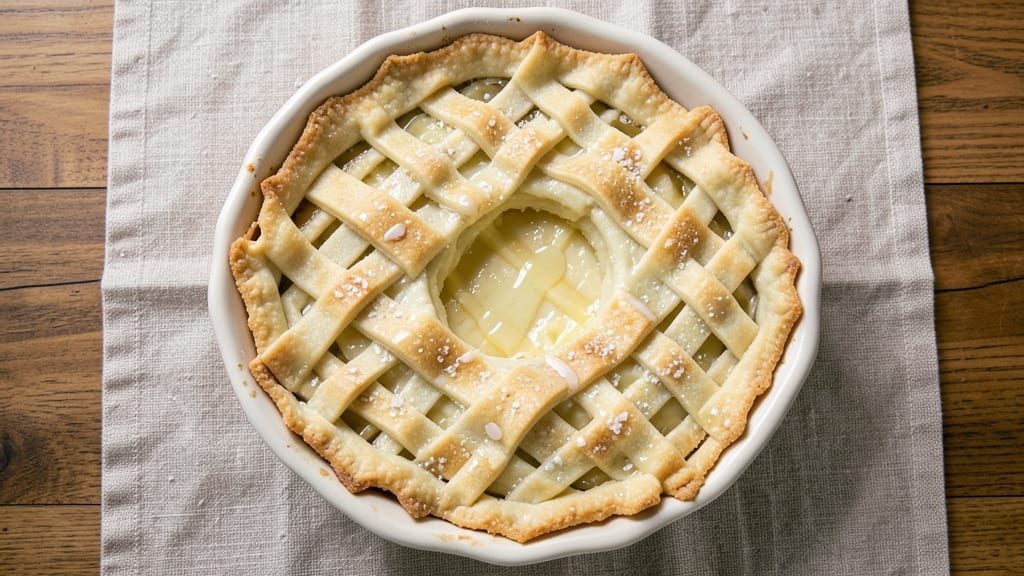
Bobby Flay's pie crust recipe delivers flaky layers that rival any bakery—no shortcuts, just precise technique and professional results. The secret lies in cold butter, proper handling, and a gentle touch that transforms simple ingredients into golden, shatteringly crisp pastry.
I've tested countless variations, and this method consistently produces the kind of crust that makes pie lovers ask for seconds.
What sets this recipe apart is Bobby Flay's signature approach: using high-fat cold butter cut into uniform pieces, which creates steam pockets during baking for that signature flakiness. The dough rests just long enough to relax the gluten without losing structure, ensuring a tender yet sturdy crust.
This isn't your grandmother's pie crust—it's restaurant-quality with a home cook's accessibility.
By the time it emerges from the oven, you'll have a golden brown crust with layers so delicate they practically melt in your mouth. The filling stays perfectly tender while the crust holds its shape, creating that ideal balance of texture and flavor.
Whether you're making classic apple pie, rich chocolate cream, or savory pot pie, this crust elevates every bite.
Ready in about 45 minutes (including prep and baking), this recipe delivers professional results without requiring advanced skills. The key is patience—letting the dough rest and handling it gently—but the reward is worth every minute. Here's how to make it perfectly every time.
Ingredients for bobby flay pie crust
Nine essential ingredients transform into Bobby Flay's legendary flaky crust—no butter substitutes allowed.
| Ingredient | Amount | Notes |
|---|---|---|
| All-Purpose Flour 🌾 | 3 cups | Unbleached, high-protein preferred |
| Unsalted Butter 🧈 | 1 cup | High-fat (82%+), cold and cubed |
| Ice Water ❄️ | ½ cup | Chilled for dough elasticity |
| Diamond Crystal Kosher Salt 🧂 | ½ tsp | Fine grain for even distribution |
| Granulated Sugar 🍚 | 1 tbsp | Balances butter richness |
| White Vinegar 🍶 | 1 tsp | Enhances gluten development |
| Cornstarch 🌽 | 1 tbsp | Promotes tenderness |
| Large Egg Yolk 🥚 | 1 whole | Adds richness and structure |
| Butter Flakes (for topping) 🧈 | 2 tbsp | Melted for golden finish |
| Coarse Sugar (for sprinkling) 🍚 | 1 tbsp | Optional crisp topping |
| Cornmeal (for dusting) 🌽 | ¼ cup | Prevents sticking |
The butter is non-negotiable: high-fat European-style (82%+) like Plugrá or Kerrygold delivers unmatched flakiness. Buy it in bulk from Whole Foods or specialty grocers—avoid the lower-fat supermarket brands. Chill it for at least 2 hours before cubing into 1/2-inch uniform pieces (use a chef's knife). The flour should be high-protein (11-12%)—King Arthur or Bread Sifter's Choice work perfectly. For the ice water, freeze a bowl of water ahead of time to ensure proper dough hydration without warming the butter.
No high-fat butter? European-style cultured butter is your next best option—Land O'Lakes European Style works in a pinch. Short on cornstarch? Arrowroot powder at equal measure maintains tenderness. The egg yolk can be omitted for a vegan version, but replace with 1 tbsp cold water + 1 tsp vinegar to bind. For a gluten-free adaptation, Bob's Red Mill 1:1 Gluten-Free Flour Blend requires 1 extra tbsp xanthan gum. The vinegar enhances gluten development—never skip it, even if you're not sensitive to flavors. When rolling the dough, keep it cold at all times; freeze the scraps for up to 3 months.
This dough must rest at least 1 hour (up to 24 hours) in the fridge for optimal texture. Wrap tightly in plastic wrap to prevent drying. For the topping, melt the butter flakes with a pinch of salt until just liquid, then brush generously on the baked crust. The coarse sugar caramelizes beautifully, adding a delicate crunch. Leftover dough can be baked as mini tart shells—just press into greased muffin tins and bake at 375°F for 12-15 minutes. Store unused dough in the freezer for up to 6 months, thawing overnight in the fridge before use.
Why You'll Love This Recipe
- No-Fuss Technique: I swear by this method—just cold butter cut into flour until it resembles cornmeal, then ice water added sparingly. No food processor, no stress, just a few minutes of handwork that actually works.
- Buttery Crunch Factor: That sugar in the dough? It’s not just for looks—it caramelizes into a golden, crackly crust that’s crisp enough to stand up to anything inside. (Yes, even my kids’ messy fruit pie.)
- Double-Duty Crust: Use it for pies, quiches, or even a quick fried chicken pot pie—this dough handles heat like a champ. Honestly, I’ve made it into a hand pie crust in 10 minutes when I forgot to thaw the regular one.
- Pantry Staple Magic: With just flour, butter, and salt, this is my go-to when I’m low on ingredients. The ice water trick keeps it from getting gummy, and the leftovers? They freeze like a dream for next month’s potluck.
Step-by-step instructions for Bobby Flay's pie crust recipe
Mastering this crust requires precision—every element must work together for that signature flakiness.
Cut and Mix the Dry Ingredients
Place the 3 cups all-purpose flour, 1 tbsp cornstarch, 0.5 tsp diamond crystal kosher salt, and 1 tbsp granulated sugar in a large mixing bowl. Use a pastry cutter, two forks, or your fingers to cut the 1 cup unsalted butter into the flour mixture until the texture resembles coarse crumbs with pea-sized butter pieces remaining. This step is critical—overworking the dough develops gluten, which defeats the purpose of a tender, flaky crust.
For best results, work quickly and keep the butter cold. If the mixture feels too dry, it's fine—we'll add the ice water next. The goal here is to create a uniform distribution of fat within the flour, which will later melt and create those signature layers when baked.
Incorporate Wet Ingredients for Elastic Dough
In a separate small bowl, whisk together the 0.5 cup ice water, 1 tsp white vinegar, and 1 whole large egg yolk. The vinegar and ice water combination creates a slightly acidic, cold liquid that enhances gluten development while keeping the dough elastic. Slowly pour this mixture into the flour-butter mixture while stirring gently with a wooden spoon or your hands.
Mix just until the dough begins to come together—don't overwork it. The dough should be shaggy and slightly sticky, with some dry bits remaining. If it feels too wet, add a tablespoon of flour; if too dry, add a teaspoon of ice water. The key is to create a cohesive dough without developing too much gluten. Once combined, divide the dough into two equal discs, flatten slightly, wrap in plastic wrap, and refrigerate for at least 1 hour or up to 24 hours.
Roll and Layer for Maximum Flakiness
On a lightly floured surface dusted with 0.25 cup cornmeal, roll one disc of dough into a 12-inch circle, about 1/8-inch thick. The cornmeal prevents sticking and adds a subtle texture. Roll from the center outward, rotating the dough as you go to maintain even thickness. If the dough resists rolling, let it rest for 5-10 minutes in the refrigerator to firm up.
Transfer the rolled dough to a 9-inch pie dish, gently pressing it into the bottom and up the sides. Trim any excess dough hanging over the edge with a sharp knife. Repeat with the second disc. The secret to flaky layers lies in this rolling technique—keep the dough cold and handle it as little as possible to preserve the butter's integrity.
Blind-Bake for Structural Support
Preheat your oven to 375°F. Line the unbaked crust with a circle of parchment paper or aluminum foil, then fill it with pie weights or dried beans. This "blind-baking" step prevents the crust from puffing up during baking. Bake for 15 minutes, then remove the weights and bake for an additional 10-12 minutes until the edges are light golden brown and the crust is set. The bottom should be fully cooked but not overly browned.
Remove the crust from the oven and carefully brush the bottom and sides with a thin layer of melted 2 tbsp butter flakes mixed with a splash of ice water. This step adds richness and helps create a tender, flaky texture. Sprinkle the crust with 1 tbsp coarse sugar for a subtle sweetness and additional crispness. Return the crust to the oven for 2-3 minutes to melt the butter and set the sugar.
Final Assembly and Baking
Once the crust is fully baked and cooled slightly, it's ready for your filling. The crust should hold its shape without sagging, with a golden, slightly crisp exterior and a tender, flaky interior. If you're not using it immediately, cover loosely with plastic wrap and refrigerate for up to 2 days. For best results, use the crust within 48 hours to maintain optimal texture.
The key to this crust's success lies in the cold butter and minimal handling. Every step—from cutting the butter into the flour to blind-baking—contributes to that signature flakiness Bobby Flay is known for. Once your pie is assembled, bake it according to your filling's requirements, ensuring the crust browns evenly for that perfect golden finish.
Pro Tips For Making Bobby Flay Pie Crust
- Cut Butter Cold: Bobby Flay’s crust relies on cold butter—no exceptions. Pulse your unsalted butter in the freezer for 10 minutes before mixing, even if it’s already chilled from the fridge. I learned this the hard way when my first batch turned greasy instead of flaky because the butter softened mid-mix.
- Pulse, Don’t Overwork: The food processor is your friend, but don’t let it turn into a blender. Pulse the flour, butter, sugar, and salt in short bursts—just until pea-sized crumbs form. Overmixing develops gluten, and that’s how you end up with a tough, sad crust instead of a tender one.
- Ice Water Only: Skip the tap water—it’s too warm. Fill a glass bowl with ice cubes and cold water, then use a spoon to scoop out just the water (leave the ice behind). This keeps the dough from getting gummy, and your crust will hold its shape better when rolling. (Yes, even if you’re impatient like me.)
- Chill Twice: Rest the dough for 30 minutes after mixing, then shape it and refrigerate another 30 minutes before rolling. I used to skip the second chill, and my crust would shrink or tear when I tried to fit it into the pan. Trust me, the extra time guarantees a cleaner, more stable crust.
Flavor customization for these flavors
Sweet & Spiced Twist
Add 1 tsp cinnamon and ½ tsp pumpkin pie spice to the dry ingredients for a warm, aromatic crust perfect for apple or pumpkin pies. I like to sprinkle an extra ¼ tsp cinnamon on top before baking for a fragrant finish.
For deeper flavor, replace 1 tbsp granulated sugar with 1 tbsp brown sugar—it caramelizes beautifully and adds moisture. 🌶️
Herb-Infused Savory
Transform this crust into a savory masterpiece by adding 1 tbsp fresh rosemary or 1 tsp dried thyme to the dry ingredients. I recommend using this for chicken pot pies or quiches—it pairs beautifully with herbs de Provence.
For extra richness, replace 1 tbsp ice water with 1 tbsp white wine or apple cider vinegar to enhance the herbal notes.
Nutty Crunch Addition
For texture contrast, fold ¼ cup finely chopped walnuts or pecans into the dough before rolling. I love this in pecan pies or for a rustic tart base.
Toast the nuts first for 3-4 minutes at 350°F to intensify their flavor. Keep the dough cold when adding nuts to prevent melting the butter prematurely.
Cheese Lovers' Upgrade
Add ¼ cup grated sharp cheddar or ½ cup crumbled feta to the dough for a cheesy twist. This works amazingly in savory galettes or cheese-stuffed pies. For a vegan option, use ½ cup nutritional yeast—it adds a cheesy flavor without dairy.
The cheese should be cold to maintain the butter's integrity during rolling.
Citrus Zest Brightener
Zest 1 lemon or orange and mix it into the wet ingredients for a bright, citrusy crust. I use this variation for berry pies or citrus-infused tarts. The zest adds a subtle tang that cuts through rich fillings.
Pair it with 1 tsp lemon juice in the wet mixture for extra zing. Store-bought zest works, but fresh is always better.
Everything Bagel Seasoning
Sprinkle 1 tbsp Everything Bagel Seasoning on the rolled-out dough before blind-baking for a savory, oniony crust. This works wonderfully for breakfast pies, savory tarts, or even mini quiches.
I recommend pressing the seasoning lightly into the dough so it adheres evenly. The sesame seeds add a delightful crunch to every bite. 💫
Nutrition facts
Frequently asked questions
Why does Bobby Flay's crust need high-fat butter?
The 82%+ fat content in European-style butter creates steam pockets during baking, which separate the dough layers for that signature flakiness. Regular supermarket butter (often 80% fat or less) won't deliver the same professional results. Think of it as the secret weapon for restaurant-quality texture at home!
Can I make this crust ahead of time?
This dough actually improves with time. Wrap it tightly and refrigerate for up to 24 hours before rolling, or freeze for up to 6 months. The longer it rests, the easier it rolls and the more flavor develops. Just let it sit at room temperature for 15-20 minutes before handling if frozen.
What's the best way to fix a cracked crust?
Gently press the cracks down with your fingers, then sprinkle with a little ice water and flour mixture (1:1 ratio). Refrigerate for 5 minutes to firm up, then proceed with blind-baking. For a quick fix, brush melted butter over the cracks before baking—they'll blend right in!
How do I adapt this for gluten-free baking?
Replace the flour with Bob's Red Mill 1:1 Gluten-Free Blend and add 1 extra tbsp xanthan gum. Use 1/4 cup more ice water since gluten-free dough absorbs moisture differently. Keep everything cold and handle gently—gluten-free crusts are more delicate. The texture won't be identical but will still be delicious!
What's the difference between this crust and puff pastry?
This is a pie crust, not puff pastry—it's simpler with fewer layers but more flavor. Puff pastry uses multiple butter folds (hundreds!) for light, airy layers, while this relies on cold butter chunks melting during baking. Think of it as the workhorse crust for pies vs. the fancy showstopper for appetizers.