
Desserts
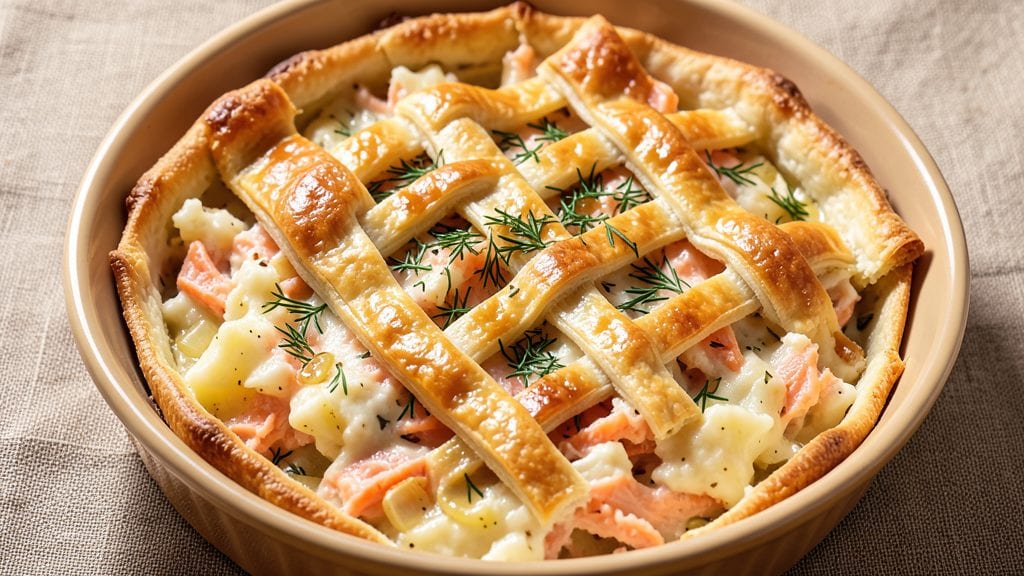
Transforming canned salmon into a creamy, flaky fish pie with a mashed potato crust is one of those kitchen magic tricks that turns simple ingredients into a restaurant-worthy dish.
The secret lies in balancing the delicate flakes of salmon with a rich, velvety sauce and a golden, crispy potato topping—no fancy techniques required. I first discovered this recipe while teaching myself to cook with canned fish, and it quickly became a weekday staple that even my picky-eating daughter requests.
What makes this recipe work is the foolproof method for creating a sauce that clings to the salmon without making it soggy, paired with a potato crust that bakes up crispy on the edges while staying tender inside.
The filling combines canned salmon, cream, and a touch of mustard for brightness, while the potato topping adds a comforting, hearty element that makes this pie feel like a hug in a dish. The best part?
It comes together in under 45 minutes, making it perfect for busy evenings when you still want something special on the table.
By the time it emerges from the oven, you’ll have a pie with layers of flaky, buttery salmon, a smooth, creamy sauce, and a crispy potato crust that holds together beautifully.
The aroma alone—warm, savory, and just slightly tangy—will have everyone gathered around the table before the last bite is taken. This is comfort food at its finest, proving that canned salmon can be the star of dinner without any fuss.
The beauty of this recipe is its versatility—serve it with a simple green salad for a complete meal, or pair it with steamed vegetables for a heartier spread. The leftovers reheat beautifully, too, making it ideal for meal prep. Let’s get started on creating your own savory masterpiece.
Ingredients for canned salmon fish pie
Simple pantry staples transform into restaurant-worthy salmon pie magic.
| Ingredient | Amount | Notes |
|---|---|---|
| Canned Salmon 🐟 | 2 cans | High-quality, drained well |
| Russet Potatoes 🥔 | 2 ½ lbs | Medium, peeled and cubed |
| Heavy Cream 🥛 | 1 cup | Full-fat for richness |
| Unsalted Butter 🧈 | ½ cup | Cold, cubed for topping |
| Whole Milk 🥛 | ¼ cup | For mashed potatoes |
| Dijon Mustard 🍯 | 1 tbsp | For tangy brightness |
| Shallot 🧅 | ¼ cup | Finely chopped, small |
| Fresh Dill 🌿 | ¼ cup | Chopped, or dried |
| Garlic Cloves 🧄 | 2 cloves | Minced for flavor base |
| Salt 🧂 | 1 ½ tsp | Kosher or sea salt |
| Black Pepper 🌶️ | ½ tsp | Freshly ground preferred |
| All-Purpose Flour 🌾 | 2 tbsp | For thickening sauce |
| Lemon Juice 🍋 | 1 tbsp | Freshly squeezed |
The salmon quality matters most—Wild Planet or Vital Choice brands are my go-to for that rich, buttery texture. Look for cans labeled 'boneless' and 'skinless' to avoid any surprises. Shallots add depth without overpowering, but substitute 2 tbsp finely chopped red onion if you're in a pinch. Fresh dill is ideal, but dried dill at one-third the amount works too. For the potatoes, Russets are non-negotiable—their high starch content gives that perfect fluffy texture. Buy them a day ahead and let them sit out to dry for crispier crusts. The butter should be cold and cubed when you mix it with the potatoes for that signature flaky topping.
No heavy cream? Half-and-half plus a splash of milk gets you close, though the texture will be slightly lighter. Running short on shallots? 3 tbsp minced yellow onion works perfectly. The Dijon mustard can be swapped for 1 tsp regular mustard plus 1 tsp honey if you prefer a milder taste. For extra richness, add 1 tbsp crème fraîche or sour cream to the filling. The lemon juice brightens everything up—if you're out, white vinegar at half the amount does the trick. For the potato topping, Pillsbury Grands flakes are a great shortcut if you're in a rush, though homemade always tastes better.
This pie reheats beautifully—350°F for 20 minutes until the crust is golden and the filling is bubbly. Store leftovers in the fridge for 4 days or freeze for 3 months by wrapping tightly in foil. The filling alone keeps for 2 days in the fridge if you want to prep ahead. For extra crispiness, broil the pie for 2-3 minutes at the end. The aroma alone will have everyone rushing to the table—trust me, it's worth the wait.
Why You'll Love This Recipe
- Pantry Magic: I swear by this when my fridge is bare—just open a can of salmon, peel some potatoes, and boom. No last-minute grocery runs, no stress. The creamy milk-butter sauce comes together faster than takeout delivery.
- Creamy Crisp Contrast: That buttery top layer meets fluffy potatoes and tender salmon in every bite—it’s like hugging a warm, rich cloud. Honestly, the texture alone makes it worth the 20 minutes.
- Lunchbox Hero: Pack it cold for work or school lunches—it reheats beautifully and keeps kids happy (yes, even picky eaters). My son sneaks extra slices when he thinks I’m not looking.
- Budget Comfort: A single can of salmon stretches to feed four for under $10. Leftovers? Even better—taste just as good reheated the next day. My wallet and I both love this.
Step-by-step instructions for canned salmon fish pie
This method delivers a rich, flaky fish pie with a golden mashed potato crust.
Prepare the Salmon Filling
In a large mixing bowl, gently flake the drained canned salmon with a fork, breaking it into large, even pieces. Add the finely chopped shallot, minced garlic cloves, and the chopped fresh dill. Stir to combine, then mix in the 1 tablespoon Dijon mustard and 1 tablespoon freshly squeezed lemon juice. This brightens the flavor and balances the richness of the salmon.
In a separate small saucepan, warm the 1 cup heavy cream over medium heat until it just begins to steam. Remove from heat and whisk in the 2 tablespoons all-purpose flour to create a simple roux. Pour this mixture over the salmon and stir gently to coat evenly. The sauce should thicken slightly as it cools, creating a silky base for the filling. Let the mixture sit for 5 minutes while you prepare the mashed potatoes.
Make the Mashed Potato Crust
Place the peeled and cubed 2.5 pounds russet potatoes in a large pot and cover with cold water by about 2 inches. Add 1.5 teaspoons salt to the water and bring to a boil over high heat. Once boiling, reduce heat to medium and cook for 15-20 minutes until the potatoes are fork-tender and easily pierced with a knife.
Drain the potatoes thoroughly, then return them to the pot. Add the 0.5 cup unsalted butter and 0.25 cup whole milk. Using a potato masher or ricer, mash until completely smooth with no lumps. Season generously with the 0.5 teaspoon black pepper and taste for additional salt if needed. The mashed potatoes should be light and fluffy, with a buttery richness that will create the perfect crust for your fish pie.
Assemble and Bake the Fish Pie
Preheat your oven to 375°F. Transfer the salmon mixture to a greased 8x8-inch baking dish or pie dish, spreading it evenly to create a 1-inch thick layer. The filling should come up about halfway up the sides of the dish.
Spread the mashed potatoes evenly over the salmon filling, creating a smooth, even layer that reaches about 1 inch up the sides of the dish. Use a fork to create decorative ridges in the top of the mashed potatoes for a rustic appearance. Bake uncovered for 25-30 minutes until the top is golden brown and the filling is bubbling around the edges.
Rest and Serve
Remove the fish pie from the oven and let it rest for 10 minutes before serving. This resting period allows the filling to set slightly and makes it easier to slice cleanly. The crust should be crisp and golden, while the salmon filling remains moist and flavorful.
Serve warm with a side of steamed green vegetables or a simple salad. The combination of creamy salmon filling and buttery mashed potato crust creates a comforting, satisfying meal that's perfect for any occasion. The lemon juice and fresh dill add a bright contrast to the richness, making each bite balanced and delicious.
Pro Tips For Making Canned Salmon Fish Pie
- Drain and Rinse Salmon: Open that can and don’t just dump it in—give the salmon a quick rinse under cold water to wash away any brine clinging to the flakes. I learned this the hard way when my first pie tasted like a salt lick, and trust me, you don’t want that.
- Boil Potatoes Whole: Skip the peeling and chopping—toss whole russets in salted boiling water for 20-25 minutes until fork-tender. The skins add texture, and you’ll save 10 minutes of prep time (yes, even if you’re impatient like me).
- Prevent a Watery Topping: Mix your heavy cream and milk before adding butter—whisk in cold cubes while the sauce simmers, not all at once. After burning three batches of curdled topping, I finally figured out this is the thing that matters most.
- Bake Low and Slow: Cover the pie with foil for the first 30 minutes at 375°F (200°C), then uncover and reduce to 350°F (175°C) for the last 15. This locks in moisture and gives the potatoes time to crisp without turning to glue.
Perfect pairings for this dish
Classic Green Salad
My go-to pairing is a simple mixed greens salad with a light lemon-olive oil dressing. Toss 4 cups baby spinach or arugula with ½ cup sliced cucumber, ¼ cup cherry tomatoes, and 2 tbsp chopped red onion.
The crisp, fresh flavors cut through the richness of the pie beautifully. I always add ¼ cup crumbled feta cheese for a salty contrast that makes every bite sing. 🥗
Steamed Asparagus
For a more elegant touch, steam 1 bunch asparagus (about 12 spears) until tender-crisp, then drizzle with 1 tbsp melted butter and a pinch of sea salt. The bright green color and subtle bitterness balance the creamy pie perfectly.
If you prefer, roast the asparagus at 400°F for 12 minutes with a sprinkle of Parmesan cheese for extra richness.
Crusty Bread
Nothing beats warm, crusty bread for soaking up any extra sauce. I love using a baguette or sourdough loaf from my local bakery—just slice it thick and toast it in the oven at 375°F for 5 minutes until golden.
The crusty texture contrasts wonderfully with the pie’s creamy filling. For a shortcut, Pepperidge Farm Milano bread works perfectly too.
Wine Pairings
A crisp Sauvignon Blanc from New Zealand is my top choice—its citrusy notes complement the lemon and dill in the pie. For something lighter, a Pinot Grigio from Italy adds a refreshing contrast.
If you prefer red, a light Pinot Noir (like one from Oregon’s Willamette Valley) works surprisingly well. Avoid heavy wines like Cabernet Sauvignon, as they’ll overpower the delicate flavors. 🍷
Beer Pairings
For beer lovers, a Belgian witbier (like Hoegaarden) brings a citrusy, spicy note that pairs beautifully with the dill and lemon in the pie. A light lager (such as Peroni) is another great option—its crispness cleanses the palate between bites.
If you’re feeling adventurous, a session IPA with a touch of hop bitterness can stand up to the richness of the dish. 🍺
Finishing Touches
Before serving, sprinkle the pie with fresh parsley or chives for a pop of color and freshness. A drizzle of truffle oil (just ½ teaspoon) elevates the dish to restaurant-quality without overpowering.
For a tangy kick, add a squeeze of lemon wedge** on the side. These small details make all the difference in presentation and flavor. ✨
Nutrition facts
Frequently asked questions
Can I use frozen salmon instead of canned salmon?
While this recipe is specifically designed for canned salmon, you can absolutely use frozen salmon if that's what you have on hand. Just thaw it completely in the fridge overnight, then drain any excess liquid before flaking. The texture will be slightly different—fresh or frozen salmon is more delicate than canned—but it will still work beautifully in the pie. For best results, add an extra 1 tablespoon of cream to compensate for any moisture loss during thawing.
How do I prevent the mashed potato topping from getting soggy?
The secret is in the baking process! First, make sure your mashed potatoes are completely dry before spreading them on top. Then, bake the pie at 375°F for 25-30 minutes uncovered—this allows moisture to escape rather than steam back into the crust. For extra insurance, sprinkle a pinch of salt on the potato topping before baking, which helps draw out moisture. Finally, let the pie rest for 10 minutes before serving to let the filling set.
Can I make this pie ahead of time?
This pie actually tastes even better the next day. Assemble the pie completely (including the potato topping) and refrigerate it uncovered for up to 24 hours before baking. When ready to bake, add 5-10 extra minutes to the baking time since it will be cold. For leftovers, store in an airtight container in the fridge for 4 days or freeze for 3 months. Reheat at 350°F for 20 minutes until warmed through and bubbly.
What can I do if my pie isn't golden brown on top?
If the potato topping isn't browning enough, try these tricks: First, increase the oven temperature to 400°F for the last 5 minutes of baking. For extra crispiness, broil the pie for 2-3 minutes at the very end, watching closely to avoid burning. Another option is to sprinkle 1 tablespoon of breadcrumbs or crushed potato chips on top before the final few minutes of baking. These will toast up beautifully and add texture.
Can I make this recipe vegetarian?
While canned salmon is the star of this dish, you can create a vegetarian version with some adjustments. Replace the salmon with 1 can (15 oz) drained white beans (like cannellini or great northern) or 1 cup cooked chickpeas for protein. Add 1 tablespoon nutritional yeast for a cheesy flavor and ½ teaspoon smoked paprika for depth. The mashed potato crust and creamy sauce will still shine, though the texture will be slightly different. For extra richness, stir in ¼ cup crumbled feta cheese with the beans.