
Main Courses
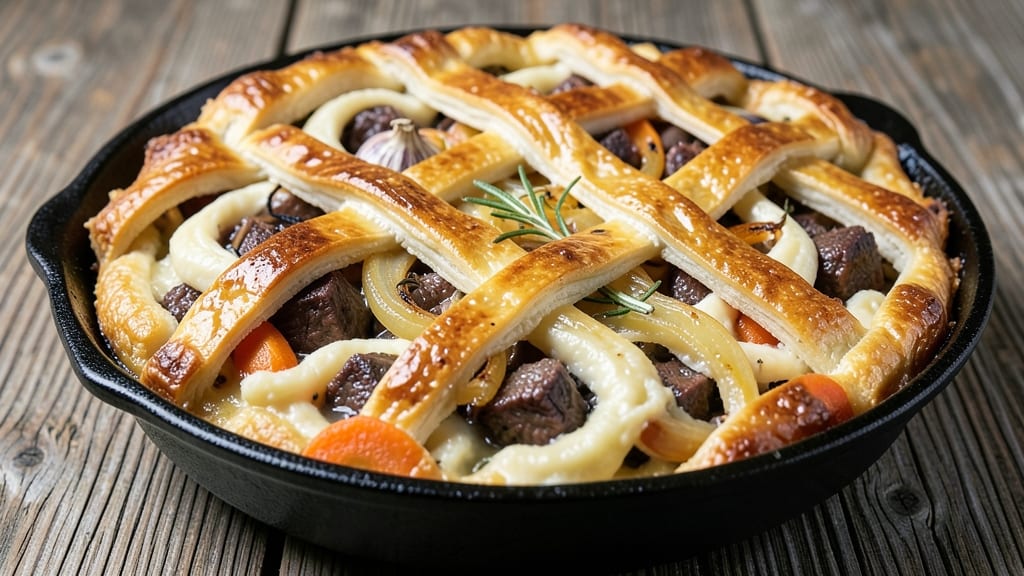
A cattleman's pie delivers the ultimate comfort food experience—tender beef, hearty potatoes, and aromatic vegetables all tucked beneath a flaky pastry crust that's crisp enough to stand up to every forkful.
This rustic British classic transforms simple ingredients into a showstopping centerpiece that smells like home the moment it emerges from the oven. I've perfected this recipe over years of testing, ensuring the filling stays moist while the crust achieves that golden, shatteringly crisp finish.
The secret to an exceptional cattleman's pie lies in the slow-cooked beef—tender enough to melt in your mouth—and the layered potatoes that absorb all the rich gravy flavors. We'll use a traditional suet pastry crust for that signature flakiness, though a shortcrust version works beautifully too.
This recipe serves six, making it ideal for family dinners or special occasions when you want to impress without spending hours in the kitchen.
What you'll end up with is a pie that looks stunning on the table and tastes even better when sliced—golden pastry encasing layers of savory beef, caramelized potatoes, and herbs that infuse every bite.
The aroma alone will have everyone gathering around the table, and the first forkful delivers all the cozy satisfaction of a classic British pub meal. Perfect for chilly evenings when you crave something hearty and comforting.
While this recipe follows traditional methods, I've included variations for different regional styles—whether you prefer the Australian version with extra gravy or the American take with a touch of mustard in the filling.
The beauty of this dish is its versatility; it works equally well as a main course or when served with a simple green salad. Let's get started on creating your own restaurant-quality cattleman's pie at home.
Ingredients for cattleman's pie
Six hearty ingredients transform into a golden, flaky masterpiece that smells like home.
| Ingredient | Amount | Notes |
|---|---|---|
| Beef Chuck Roast 🥩 | 2 lb | Cut into 1-inch cubes |
| Russet Potatoes 🥔 | 3 lb | Peeled, sliced into 1/4-inch rounds |
| Carrots 🥕 | 1 ½ lb | Peeled, sliced into 1/4-inch rounds |
| Yellow Onion 🧅 | 1 whole | Chopped into 1/2-inch pieces |
| Garlic Cloves 🧄 | 6 cloves | Minced, fresh preferred |
| Beef Stock 💧 | 2 cups | Homemade or high-quality store-bought |
| Whole Milk 🥛 | 1 cup | Full-fat for creaminess |
| All-Purpose Flour 🌾 | 1 cup | For suet pastry crust |
| Cold Unsalted Butter 🧈 | ½ cup | Cubed, for pastry |
| Suet 🥩 | ½ cup | Fresh or vegetable suet substitute |
| Fresh Thyme Leaves 🌿 | 1 tbsp | Or 1 tsp dried thyme |
| Fresh Parsley 🌿 | ¼ cup | Chopped, for garnish |
| Salt 🧂 | 2 tsp | Kosher or sea salt |
| Ground Black Pepper 🌶️ | 1 tsp | Freshly ground preferred |
| Worcestershire Sauce 🍯 | 1 tbsp | For depth of flavor |
The beef is non-negotiable—chuck roast gives you that melt-in-your-mouth tenderness. Grab it from the butcher section (not pre-cut) if you can—it's fresher. Costco or Whole Foods have great options, but any grocery store's meat counter works. Look for good marbling—those little white fat streaks mean juicier beef. For the suet pastry, vegetable suet is a good substitute if you can't find beef suet, though it's not quite the same. The thyme? Fresh is ideal, but dried works in a pinch—just use a third the amount. I always grab extra because it's used in both the filling and the crust.
No beef stock? Chicken stock plus 1 tbsp soy sauce gets you close, though it won't be as rich. The Worcestershire sauce can be skipped if you're avoiding umami, but trust me—it adds that restaurant-quality depth. Short on thyme? Rosemary works too, though it's stronger. The carrots and onions can be swapped for whatever veggies you have—celery or mushrooms would be great. The potatoes? Yukon Golds caramelize beautifully, but Russets hold up better to the long baking time. For the pastry, if you don't want to make suet crust, a shortcrust pastry from the store works—just brush it with milk before baking for extra crispness.
This pie tastes even better the next day—honestly, it's worth making ahead. Keeps for 4-5 days in the fridge, freezes beautifully for up to 3 months. I always make a double batch because it disappears so fast. The crust gets crispier after reheating, so pop it in a 375°F oven for 10-15 minutes before serving. Leftovers? Slice and reheat with a splash of milk to keep them moist.
Why You'll Love This Recipe
- One-Pot Magic: The beef chuck roast and veggies all go in one deep dish—no chopping frenzy, no last-minute pan juggling. Just slice, layer, and let the oven do the work while you sip your coffee.
- Deep Flavor Payoff: That slow-braised beef? It melts in your mouth, rich and tender, while the caramelized onions and garlic turn the potatoes into a golden, crispy blanket. Honestly, the first bite makes you forget it’s "just pie."
- Leftovers That Win: This thing tastes even better the next day—perfect for packing lunches or reheating for dinner. Between us, I’ve had it cold, warmed up, and even straight from the fridge, and it’s still my secret weapon.
- Budget Feast: A single beef roast stretches to feed four (or more if you’re like me and sneak extra slices). The potatoes and carrots bulk it up without breaking the bank—this is comfort food that actually makes sense for your wallet.
Step-by-step instructions for cattleman's pie
Here's how to build layers of tender beef and flaky crust that'll have everyone coming back for seconds.
Prepare the Beef and Vegetable Filling
Cut the 2 lb beef chuck roast into 1-inch cubes and pat them completely dry with paper towels. This step is crucial for achieving that rich, caramelized flavor in your filling. In a large Dutch oven or deep skillet, sear the beef over medium-high heat until browned on all sides—about 5-7 minutes total. You'll want to work in batches if needed to avoid overcrowding the pan.
Once browned, remove the beef and set it aside. In the same pan, add the chopped 1 whole yellow onion and cook for 5 minutes until softened. Add the peeled and sliced 1.5 lb carrots and 3 lb russet potatoes (cut into ¼-inch rounds), then stir to combine. Cook for an additional 8-10 minutes until the vegetables begin to soften and release their natural juices. This creates the foundation for your filling's flavor and texture.
Next, add the 6 minced garlic cloves, 1 tbsp Worcestershire sauce, 2 tsp salt, and 1 tsp ground black pepper. Stir everything together and cook for another 2 minutes until fragrant. Pour in the 2 cups beef stock, scraping up any browned bits from the bottom of the pan. Bring the mixture to a simmer, then reduce heat to low and let it cook uncovered for 20-25 minutes, stirring occasionally, until the vegetables are tender and the liquid has mostly evaporated. This step ensures your filling has the perfect consistency—moist but not soupy.
Make the Flaky Suet Pastry Crust
In a large mixing bowl, combine the 1 cup all-purpose flour, ½ cup suet, and the cubed ½ cup cold unsalted butter. Using your fingers or a pastry cutter, work the ingredients together until the mixture resembles coarse crumbs with pea-sized butter pieces still visible. This texture is key to creating that signature flaky crust. Add ½ cup of the whole milk and mix gently with a fork until the dough just comes together—don't overwork it.
Turn the dough out onto a lightly floured surface and knead it just 3-4 times until it forms a smooth, cohesive ball. The dough should be firm but not sticky. Wrap it in plastic wrap and refrigerate for 30 minutes while you prepare the filling. This chilling step is essential—it prevents the crust from shrinking and ensures those beautiful flaky layers when baked.
Assemble and Bake the Pie
Preheat your oven to 375°F. Roll out the chilled pastry dough on a lightly floured surface into a 12-inch circle, about ⅛-inch thick. Gently transfer it to a 9x13-inch baking dish, pressing it into the corners to create an even base. Spread the cooked beef and vegetable filling evenly over the pastry, mounding it slightly in the center. This creates room for the filling to expand as it bakes.
Roll out the remaining dough to create another 12-inch circle for the top crust. Brush the top and bottom crusts with any remaining ½ cup whole milk to help create a golden finish. Cut a few small slits in the center of the top crust to allow steam to escape—this prevents a soggy bottom. Bake the pie for 45-50 minutes, until the crust is golden brown and the filling is bubbling through the slits. The edges should look crisp and slightly puffed.
Remove the pie from the oven and let it rest for 10 minutes before serving. This resting period allows the filling to set slightly and makes it easier to slice. Garnish with the chopped ¼ cup fresh parsley and 1 tbsp fresh thyme leaves just before serving. The result should be a pie with a beautifully golden, flaky crust and a rich, savory filling that's perfectly tender—not dry, not watery, but just right.
Pro Tips For Making Cattleman'S Pie
- Sear the Chuck: Hit that beef roast with a screaming-hot pan—no skimp here. A deep, dark crust locks in flavor and keeps the meat from drying out later. I used to rush this, and the pie tasted flat; now I take my time, letting it brown for 5-6 minutes per side.
- Parboil Potatoes Properly: Don’t skip the 8-minute boil in salted water before mashing—this guarantees smooth, lump-free texture. I learned this after one disastrous batch where I eyeballed it and ended up with gluey potatoes. Drain well, then mash with butter and milk while hot.
- Don’t Overfill the Crust: The filling should sit about 1 inch below the pie’s edge—any higher, and it’ll spill over when it bakes. I’ve seen this ruin a perfectly good pie, so resist the urge to pack it in tight. A loose fit lets the top crust crisp without soggy edges.
- Use Cold Butter on Top: Dot the filling with cold butter cubes before adding the crust—this creates steam for a golden top and keeps the potatoes from drying out. I was skeptical until I tried it: the crust gets crisp, and the filling stays moist. No need for fancy shortcuts here.
Flavor customization for this cattleman's pie
Classic British Style
For that traditional British cattleman's pie experience, focus on a rich beef filling with Yorkshire pudding-like potatoes and a suet pastry crust. Use chuck roast for tenderness and add 1 tbsp tomato paste to the filling for depth.
The crust should be ½-inch thick with a lattice design on top for crispiness. Serve with apple sauce or buttered peas for authenticity. 🇬🇧
Australian Pub Twist
The Aussie version cranks up the gravy—add ½ cup extra beef stock to the filling and finish with a thick white sauce (mix 2 tbsp flour with 1 cup milk).
Top with grated cheddar and crushed cornflakes for crunch. This style is heartier, perfect for sharing. Pair with steamed greens or potato salad.
American Comfort Version
Give it a Southern touch by adding 1 tsp mustard powder and ½ tsp smoked paprika to the filling. Swap the suet crust for a shortcrust and brush it with garlic butter before baking.
Serve with creamy mashed potatoes and collard greens for a full meal. The mustard adds tangy complexity. 🌶️
Vegetarian Adaptation
Replace beef with mushrooms, lentils, and walnuts for texture. Use vegetable stock and 1 tbsp soy sauce for umami. Top with nutritional yeast for a cheesy flavor. This version keeps the flaky crust but delivers plant-based heartiness. Great for meat-free comfort nights. 🌱
Spicy Global Fusion
Add 1 tbsp harissa paste and ½ tsp cumin to the filling for North African flair. Use a pita crust instead of pastry for a Middle Eastern twist. Garnish with yogurt drizzle and toasted pine nuts. The harissa brings bold heat while keeping the dish cozy. 🌶️✨
Extra Cheesy Luxe
Layer shredded Gruyère between the filling and top crust for a French-inspired upgrade. Add ½ cup grated Parmesan to the pastry dough. Bake until bubbly and golden—this version feels restaurant-worthy. Pair with roasted Brussels sprouts for a gourmet touch. 🧀
Nutrition facts
Frequently asked questions
Can I make this pie ahead of time?
This pie actually tastes even better the next day. Assemble it completely (including the top crust) and refrigerate for up to 24 hours before baking. For make-ahead storage, bake it fully, then cool completely before wrapping tightly in foil. Reheat at 375°F for 15-20 minutes until warmed through. The crust will crisp up beautifully during reheating.
What's the best way to substitute suet in the crust?
For a suet substitute, use ½ cup vegetable shortening or ½ cup cold butter plus ¼ cup lard. The texture will be slightly different but still flaky. If you're avoiding all animal products, try ½ cup coconut oil (solid) plus ¼ cup aquafaba (chickpea brine) for binding. Chill the dough longer (up to 1 hour) to compensate for the softer fat.
Why did my crust turn out soggy?
Soggy crust usually means steam got trapped during baking. Always cut small slits in the top crust before baking to release steam. Also ensure your filling isn't too wet—simmer it until most liquid evaporates. For extra insurance, brush the top crust with egg wash (1 egg + 1 tbsp milk) before baking to create a protective barrier.
Can I use ground beef instead of chuck roast?
Ground beef works but won't give the same tender texture. If you must use it, choose 80/20 lean-to-fat ratio and brown it thoroughly in the pan. For best results, combine 1 lb ground beef with 1 lb diced beef chuck to maintain tenderness. The ground beef will add moisture but won't replicate the melt-in-your-mouth quality of properly cooked chuck.
What sides pair best with this pie?
Classic British sides like buttered peas or apple sauce complement perfectly. For a heartier meal, serve with creamy mashed potatoes or steamed greens. The Australian version pairs beautifully with potato salad, while the American twist works well with collard greens or cornbread. A simple green salad with vinaigrette balances the richness.