
Desserts
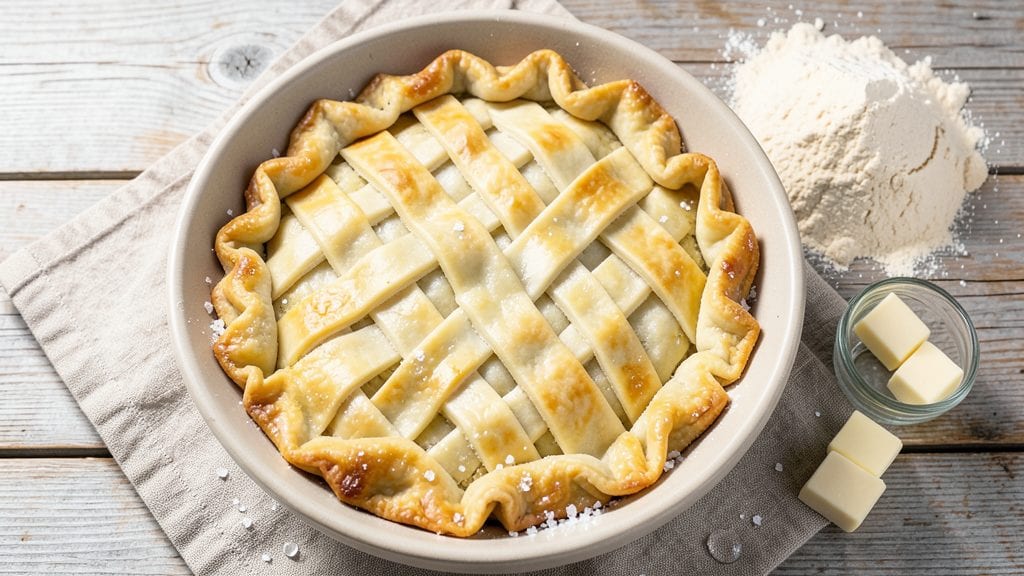
Mastering a flour pie crust recipe with cold butter transforms ordinary desserts into showstopping centerpieces—every time. This shortcut method delivers the perfect lattice texture without the fuss of traditional techniques, ensuring crisp edges and tender layers that hold up to both sweet fillings and savory applications.
The secret lies in chilling the butter and dough thoroughly, which prevents melting during rolling and guarantees those signature flaky layers. With just five simple ingredients and 30 minutes of hands-on time, you'll create a crust sturdy enough for blind baking yet delicate enough to shatter into perfect lattice patterns.
This isn't just a crust—it's the foundation for pies that look like they came from a professional bakery.
What makes this recipe truly foolproof is the cold-butter method, which keeps the fat intact during rolling and creates those coveted air pockets when baked. Whether you're making a classic apple pie, a rich chocolate tart, or a savory quiche, this crust delivers restaurant-quality results with minimal effort.
The lattice design isn't just decorative—it adds structural integrity while allowing fillings to shine.
Use this versatile crust for holidays, potlucks, or everyday treats—it's the one recipe that elevates every dessert. Let's get started with the precise steps that guarantee perfect results every single time.
Ingredients for flour pie crust
Five ingredients, zero shortcuts—just the cold-butter magic that delivers restaurant-quality lattice crust every time.
| Ingredient | Amount | Notes |
|---|---|---|
| All-Purpose Flour 🌾 | 2 ½ cups | Sifted for light texture |
| Unsalted Butter 🧈 | 1 cup | Cold, cubed, not softened |
| Ice Water 💧 | ⅓ cup | Chilled for crispness |
| Diamond Crystal Kosher Salt 🧂 | ½ tsp | Fine grain preferred |
| Granulated Sugar 🍚 | 1 tbsp | For subtle sweetness |
The butter is non-negotiable here—European-style unsalted butter (like Plugrá or Bergère) has higher fat content, which gives you those signature flaky layers. Grab it from the refrigerated section at Whole Foods or Trader Joe's—never the tub butter. Keep those cubes stone-cold; if they start to soften, pop them back in the freezer for 10 minutes. The flour? King Arthur or Gold Medal are my go-tos—they handle the cold butter without turning gummy. And that ice water? Freeze it in a tray overnight so you're not waiting for cubes to chill while you work.
No European butter? Land O'Lakes unsalted works in a pinch—just use it straight from the fridge. Running low on ice water? Freeze a cup of water in an ice cube tray for instant cubes. The sugar is optional but worth it for that subtle caramelized edge when baked. Swapping salt? Diamond Crystal kosher is the gold standard—it dissolves cleanly and doesn't overpower. For a gluten-free version, Bob's Red Mill 1:1 flour replaces all-purpose, though texture will be slightly denser. And if you're blind-baking? Add 1 tbsp cornstarch to the flour for extra crispness.
This dough is a flaky beast—handle it like you would a temperamental diva. Wrap the finished dough in plastic and refrigerate for at least 2 hours (overnight is ideal). For lattice, chill the cut strips for 15 minutes before weaving—prevents them from sticking. Leftovers? The dough freezes beautifully for up to 3 months—wrap it tightly in plastic and foil. Baked crusts? Store in an airtight container at room temperature for 3 days or freeze for 2 months. Reheat blind-baked crusts at 350°F for 10 minutes to restore crispness.
Why You'll Love This Recipe
- No-Fuss Assembly: I swear by this crust because it’s literally three steps: cut butter into flour, pulse until pea-sized, then add ice water. No rolling pins, no stress—just a quick press into a pan, and it’s ready. My hands are always sticky, but the result? Crispy, flaky perfection without the fuss.
- Butter Love: Cold, cubed butter mixed into the flour gives that unfairly good texture—crisp edges, tender middle. I use unsalted so I can control the saltiness, and that pinch of sugar? It caramelizes just enough to make every bite taste like a hug. (Yes, even on a Tuesday night.)
- Pie for Any Moment: This crust works for everything—apple pie, chicken pot pie, even a savory galette. I’ve used leftover dough to make mini tarts or a quick hand pie for lunch. It’s my go-to for holidays, weeknight dinners, or when I need to impress someone who thinks pie crust is complicated.
- Budget Magic: Flour, butter, salt—these are pantry staples that won’t break the bank. A single batch makes two pies, and leftovers freeze beautifully for months. Honestly, I’ve pulled out a thawed crust on a whim and thrown together a dessert in under 20 minutes. Zero waste, maximum flavor.
Step-by-step instructions for cold-butter pie crust perfection
Here's the method that delivers a lattice crust so crisp and flaky it'll fool even the most skeptical pie lovers.
Cut the Cold Butter into the Flour
Place the 2.5 cups all-purpose flour in a large mixing bowl and sprinkle with the 0.5 teaspoon diamond crystal kosher salt and 1 tablespoon granulated sugar. Whisk gently to distribute evenly—this ensures uniform seasoning throughout the crust. Add the 1 cup cold, cubed unsalted butter (yes, it should be ice-cold—if it's too soft, chill it for 15 minutes).
Using a pastry cutter or two forks, work quickly to cut the butter into the flour mixture until you achieve pea-sized crumbs with some slightly larger pieces remaining. This texture is crucial—it creates those signature flaky layers when baked. If the mixture starts to stick, press it against the bowl with your fingers to break it down further. The goal is to coat each butter piece with flour, which prevents excessive melting during baking.
Add Ice Water Gradually Until Just Combined
With a fork or your fingers, gently stir in the 0.33 cup ice water one tablespoon at a time. Be patient here—this is where the magic happens. The dough should come together when you press it lightly, but don't overwork it. You're looking for a shaggy mass that holds when squeezed but doesn't feel sticky. If it's too dry, add a few drops more water; if too wet, sprinkle in a teaspoon of flour.
Here's the thing—too much water makes the crust tough, while too little prevents proper binding. The dough should resemble coarse crumbs that clump together when pressed. Wrap the dough in plastic wrap and refrigerate for at least 1 hour (or up to 2 days). This resting period allows the gluten to relax and the butter to firm up, ensuring that beautiful flakiness when baked.
Roll and Transfer to the Pie Dish
On a lightly floured surface, roll the chilled dough into a 12-inch circle about 1/8-inch thick. If it cracks, don't panic—just gently press it back together. The key here is to keep the dough as cold as possible to prevent the butter from softening. Transfer the rolled dough to a 9-inch pie dish, gently pressing it into the bottom and up the sides. Trim any excess dough, leaving about 1/2-inch overhang. Fold the overhang under itself to create a neat edge.
For a lattice top, roll out the remaining dough and cut 1/2-inch strips using a sharp knife or pizza cutter. Arrange the strips in a crisscross pattern over the pie filling, leaving the center open. Press the strips lightly to ensure they adhere to the bottom crust. The lattice allows steam to escape while keeping the filling moist, and it creates that stunning visual effect that makes every pie look professional.
Blind-Bake for a Perfect Foundation
Preheat your oven to 375°F. Line the unbaked crust with parchment paper, fill it with dried beans or pie weights, and bake for 15 minutes. Remove the weights and parchment, then bake for another 5-7 minutes until the edges are golden brown and the bottom is lightly browned. This step prevents a soggy bottom—trust me, it's worth the extra effort. For filled pies, you can skip the blind-baking if your filling is thick and starchy (like pumpkin or apple), but for custards or wet fillings, always pre-bake.
Here's where precision matters: the crust should be fully set but not dark brown. If it browns too quickly, tent it with foil. The goal is a crisp, golden foundation that holds its shape under the weight of filling. Let the crust cool slightly before adding filling—this prevents the butter from remelting and losing its flakiness.
Pro Tips For Making Flour Pie Crust
- Cut Butter Cold: Pull your unsalted butter straight from the fridge—no thawing, no softening. I learned this the hard way after making a greasy mess that refused to hold shape. Cold butter creates flaky layers; warm butter just melts into a sad, dense puddle.
- Measure Salt Right: Diamond Crystal kosher salt is not the same as table salt—use exactly what the recipe says, no guessing. Too much makes the crust taste harsh; too little leaves it bland. Weigh it out if you’re unsure, or at least level that teaspoon carefully.
- Skip the Overwork: Mix the dough just until it comes together—about 30 seconds. I used to knead like I was making bread, and the crust turned tough. The butter needs to stay in chunks, not get smeared into the flour.
- Rest Before Rolling: Let the dough sit, covered, for at least 30 minutes before rolling. Sounds boring, but it relaxes the gluten and makes handling way easier. I know, I know—you’re eager to bake. But trust me, this prevents cracks and tears.
Serving suggestions for this recipe
Sweet Filling Showstoppers
Pair your lattice crust with classic apple pie filling—a 6-cup mix of peeled, sliced apples (like Granny Smith and Honeycrisp) tossed with ½ cup brown sugar, 2 tbsp lemon juice, and 1 tsp cinnamon. The lattice lets the filling's aroma escape while keeping it juicy.
For a modern twist, try blackberry galette—simply arrange 3 cups fresh blackberries with 2 tbsp sugar and 1 tbsp cornstarch on half the dough, then fold and bake. 🍏
Savory Crust Applications
This versatile crust shines with savory quiche—whisk 4 eggs with 1 cup heavy cream, ½ cup shredded Gruyère, and ½ cup cooked bacon or spinach. Blind-bake the crust, then pour the egg mixture into the pie dish and bake at 375°F for 35-40 minutes.
The lattice top adds a delicate contrast to hearty fillings. For a brunch crowd-pleaser, try spinach and feta tart with 10 oz thawed spinach, 1 cup crumbled feta, and a sprinkle of toasted pine nuts.
Garnish Like a Pro
Before baking, brush the lattice strips with egg wash (1 egg + 1 tbsp water) for a golden finish. After baking, dust with powdered sugar for a sweet contrast or sprinkle with flaky sea salt for savory dishes.
For a pop of color, add edible gold leaf or crushed pistachios—just 1 tbsp adds elegance without overpowering. A drizzle of honey or balsamic glaze elevates both sweet and savory pies instantly. ✨
Presentation Tricks
Serve pies on a wooden board or slate platter for rustic charm. For extra flair, arrange fresh herbs (like thyme or rosemary) around the pie. If making a galette, fold the edges into a sunburst pattern for a whimsical touch.
For quiches, slice into wedges with a serrated knife and garnish with microgreens or paprika. The lattice design makes plating effortless—just slice through the center and fan out the strips. 🌟
Leftovers Reinvented
Turn leftover crust into pie crust nachos—cut into triangles, bake at 375°F for 8-10 minutes until crisp, then top with shredded cheese, caramelized onions, and bacon. For dessert, use scraps to make mini hand pies—fill with leftover filling, fold, and bake at 375°F for 15-20 minutes.
Store unused dough in the freezer for up to 3 months—just thaw before rolling. 💫
Nutrition facts
Frequently asked questions
Why does this recipe use cold butter instead of softened?
The cold butter is key to creating those signature flaky layers. When baked, the cold fat melts slowly, creating steam pockets between the dough layers. If you use softened butter, it melts too quickly, resulting in a tough, dense crust instead of the delicate, crisp texture you want. Keep those butter cubes stone-cold—it's worth the extra chill time!
Can I make this crust ahead of time?
This dough freezes beautifully for up to 3 months. Wrap it tightly in plastic wrap, then foil, and thaw in the fridge overnight before using. For pre-baked crusts, store them in an airtight container at room temperature for 3 days or freeze for 2 months. Just reheat blind-baked crusts at 350°F for 10 minutes to restore crispness.
What if my dough cracks when rolling?
Cracking is normal—don't stress! Gently press the cracks back together and keep the dough chilled. If it's too warm, pop it back in the fridge for 15 minutes before continuing. The secret is working quickly and keeping everything cold. For extra insurance, roll the dough between two sheets of parchment paper to prevent sticking and tearing.
Can I use this crust for savory dishes like quiche?
This versatile crust works perfectly for both sweet and savory applications! For quiche, blind-bake the crust first, then add your egg mixture. The lattice design adds a beautiful contrast to hearty fillings like spinach and feta or bacon and Gruyère. Just omit the sugar in the dough for a neutral flavor that won't compete with savory ingredients.
How do I fix a soggy bottom in my pie?
Prevent soggy bottoms by always blind-baking when using wet fillings (like custards or fruit with high moisture content). For filled pies, sprinkle 1 tbsp cornstarch on the bottom crust before adding filling, or bake the crust for 5 extra minutes before adding filling. If it's already soggy, try reheating at 375°F for 10-15 minutes with a pie weight on top to crisp it up.