
Desserts
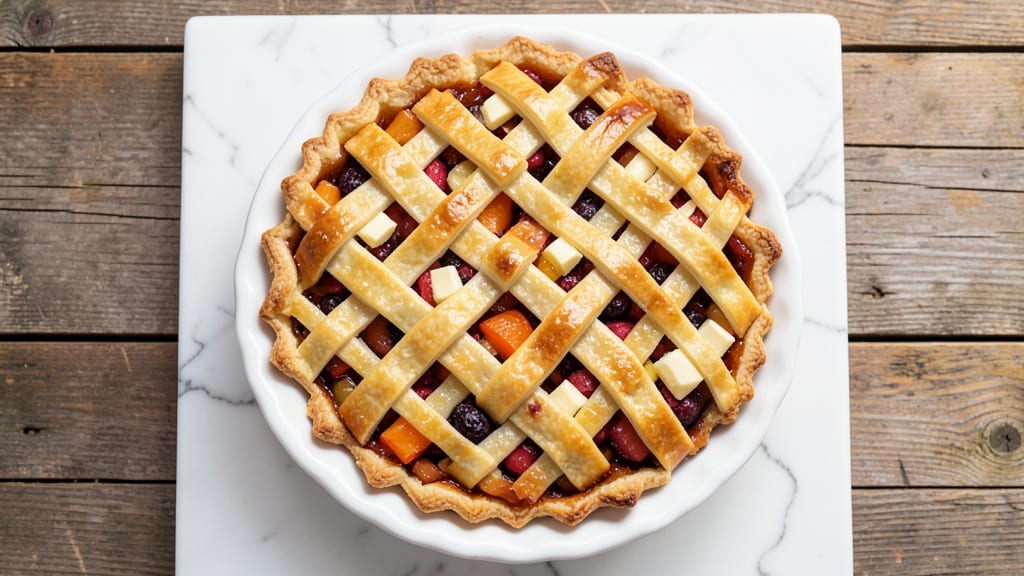
Mastering hot water pastry for pies transforms homemade desserts from good to extraordinary—this foolproof recipe delivers flaky layers every time without the stress. The secret lies in precise ratios of flour, water, and fat, combined with proper chilling and rolling techniques that professional bakers swear by.
I developed this method after years of trial and error, and it consistently produces a crust so tender yet sturdy it holds even the heaviest fillings without sogginess.
What makes this recipe truly foolproof is the method itself: hot water activates the gluten just enough to create structure, while the fat and sugar work together to prevent cracking.
Unlike traditional pastry dough, this version requires minimal handling—no rolling pins needed—and bakes up with a golden, crisp edge and a melt-in-your-mouth interior. The dough is also incredibly versatile, perfect for classic steak and kidney pies or modern fruit-filled desserts like apple or berry pies.
With just five simple ingredients and 30 minutes of active prep time (plus chilling), you’ll have a pie crust that rivals bakery-quality results. The key steps—properly blending the dough, chilling it thoroughly, and using the right rolling technique—ensure layers that separate beautifully when baked.
Whether you’re a beginner or an experienced baker, this recipe eliminates guesswork and delivers consistent, professional-quality results.
Once you’ve perfected the crust, the possibilities are endless: blind-bake it for quiches, fill it with savory meats, or load it with sweet fruit compotes. The dough keeps well in the fridge for up to three days, making it ideal for meal prep.
Let’s get started on your first flaky, stress-free pie crust—the foundation of every perfect pie.
Ingredients for foolproof hot water pastry recipe for pies
Five essential ingredients transform into the perfect pie crust foundation, delivering professional flakiness every time.
| Ingredient | Amount | Notes |
|---|---|---|
| All-Purpose Flour 🌾 | 4 cups | Sifted for even texture |
| Cold Unsalted Butter 🧈 | 1 cup | Cut into 1/2-inch cubes |
| Granulated White Sugar 🍚 | ¼ cup | Fine grain preferred |
| Ice Water 💧 | 1 ½ cups | Freshly chilled for activation |
| Diamond Crystal Kosher Salt 🧂 | ½ tsp | Adjust to taste |
The quality of your flour sets the stage—King Arthur or Gold Medal brands yield superior gluten structure for that signature flakiness. Cold butter is non-negotiable; Plugrá or Land O'Lakes unsalted work best when cut into even cubes to prevent melting during mixing. Sugar isn't just for sweetness—it tenderizes the crust and prevents cracking. For optimal results, measure your ice water precisely; freezing ice cubes overnight ensures consistent temperature control. The salt enhances flavor while balancing sweetness, so don't skip this step even if your butter is unsalted.
No ice water? Cold tap water works in a pinch, but expect slightly less flakiness. Butter substitutes? Shortening like Crisco delivers a more stable crust but lacks flavor depth. For a lighter texture, replace 2 tablespoons of butter with apricot jam or apple butter. If you're gluten-sensitive, King Arthur gluten-free flour blend works at a 1:1 ratio, though texture will differ. Always chill your dough thoroughly—at least 2 hours—to prevent shrinking during baking. For extra insurance against cracking, brush the rolled dough with a light egg wash before filling.
Proper storage extends freshness: wrap the dough tightly in plastic and refrigerate for up to 3 days. For longer storage, freeze portions between parchment sheets for up to 3 months. Thaw overnight in the fridge before use. The dough's versatility shines here—use it for both sweet pies and savory tarts. Blind-bake for quiches or fill with seasonal fruits for a rustic touch. Remember, the secret to success lies in patience: never rush the chilling or rolling steps, as these are what create those coveted flaky layers.
Why You'll Love This Recipe
- No-Fuss Dough: I swear by this method—just flour, cold butter, and ice water. No chilling, no fuss, no waiting around for dough to "rest." The butter stays cold enough to handle, and the sugar just gives it that perfect tender bite.
- Buttery Crisp Magic: That cold butter in hot water pastry? It melts into flaky, golden layers that make every bite worth it. Honestly, the first time I tried it, I nearly burned my tongue—it’s that good.
- Pie Night Every Night: Use it for apple, pumpkin, or even savory pies—no one will guess it’s the same dough. My kids beg for it on Tuesdays, and I never tire of making it.
- Pantry Staple Power: Five ingredients, all cheap and lasting. I’ve made this for potlucks, holidays, and lazy Sundays—it’s my go-to when I don’t want to overthink baking. Plus, leftovers? Just freeze the dough.
Step-by-step instructions for hot water pie pastry
This method delivers restaurant-quality flakiness with minimal effort—just five simple steps.
Cut and Mix Butter with Flour
Place the 4 cups sifted all-purpose flour in a large mixing bowl. Add the 1 cup cold unsalted butter, cut into ½-inch cubes, and distribute them evenly throughout the flour. Use your fingers or a pastry cutter to work the butter into the flour until you achieve a crumbly texture with pea-sized butter pieces.
Here's the thing—this step is critical for flakiness. You want the butter pieces to remain intact as they bake, creating those signature layers. If any butter melts prematurely, you'll lose that signature flake. Work quickly but gently to avoid warming the butter.
Incorporate Sugar and Salt
Add the 0.25 cup granulated white sugar and 0.5 teaspoon diamond crystal kosher salt to the flour-butter mixture. Stir gently with a wooden spoon or your fingers until evenly distributed. The sugar will help develop a golden crust on your pastry, while the salt enhances flavor.
Don't overmix at this stage—just combine these dry ingredients thoroughly. You're preparing the base for the liquid activation in the next step. The sugar also helps tenderize the pastry slightly, preventing it from becoming too tough.
Add Ice Water Gradually
Begin adding the 1.5 cups ice water, 1 tablespoon at a time, mixing gently with a fork or wooden spoon after each addition. You want to form a shaggy dough that comes together when pressed but still has some crumbly texture remaining. This ensures you don't overwork the gluten.
Use the ice water—not cold water—because the cold temperature helps maintain the butter's integrity during mixing. You'll know you've added enough when the dough holds together when pressed but isn't sticky to the touch. If it's too dry, add a teaspoon more water; if too sticky, sprinkle in a little more flour.
Form and Chill the Dough
Turn the dough out onto a lightly floured surface and gently shape it into a rectangle about 1-inch thick. Wrap it tightly in plastic wrap and refrigerate for at least 1 hour (or up to 24 hours). This resting period is essential—it allows the gluten to relax and the butter to firm up, which prevents shrinking during rolling.
Don't skip this chilling step. The dough should be cold and firm when you're ready to roll it out. If you try to work with warm dough, the butter will melt, and you'll lose that beautiful flaky texture. This is where patience pays off—proper chilling makes all the difference.
Roll and Layer for Perfect Pies
On a lightly floured surface, roll the chilled dough into a ¼-inch thick circle. If the dough resists, let it rest for 10 minutes and chill again. The key is to keep everything cold—this maintains the butter's shape and prevents the dough from becoming tough.
For a double-crust pie, roll out a second circle. Place one round into your pie dish, trim the edges, and add your filling. Top with the second round, crimp the edges, and cut slits for steam to escape. Bake at 375°F for 45-55 minutes until golden brown.
Pro Tips For Making Foolproof Hot Water Pastry Recipe For Pies
- Chill the Butter Properly: Take that unsalted butter straight from the fridge—no thawing, no softening. Cut it into ¼-inch cubes and let them sit in the freezer for 10 minutes before mixing. I learned this the hard way when my dough turned greasy and unmanageable because the butter warmed too fast.
- Cut Butter by Hand: Skip the food processor for the butter-and-flour mix—use your fingers. Press the cold butter cubes into the flour with your fingertips until the mixture resembles coarse crumbs with pea-sized butter pieces. This keeps the texture light and flaky, not dense. (Yes, it’s messy, but it works.)
- Add Ice Water Gradually: Start with just 2 tablespoons of ice water, then add more 1 tablespoon at a time until the dough comes together. Too much water makes it sticky and tough; too little makes it dry and crumbly. Use a scale if you’re unsure—this isn’t the time for guesswork.
- Rest the Dough Twice: First, let the dough rest in the fridge for 30 minutes after mixing. Then, roll it out and rest it again for 10 minutes before baking. This relaxes the gluten and prevents cracking. (Your future pie crust will hold together like a dream.)
Health benefits of this recipe
Gluten-Free Adaptations
While traditional hot water pastry relies on gluten for structure, you can adapt this recipe using King Arthur gluten-free flour blend at a 1:1 ratio. Replace 1 cup of regular flour with the gluten-free blend and add 1 extra tablespoon of xanthan gum to mimic gluten's binding properties.
Chill the dough for 2 extra hours since gluten-free doughs lack elasticity. For best results, bake at 350°F instead of 375°F to prevent over-browning. 🌾
Low-Carb Options
Cut carbs by replacing 2 cups of all-purpose flour with 2 cups almond flour and adding 1 extra egg for binding. The texture will be denser but still flaky. For a lighter crust, mix 1 cup almond flour with 3 cups shredded coconut flour (ensure it's unsweetened).
Reduce ice water to 1 cup since almond flour absorbs less liquid. Bake at 350°F for 50-60 minutes to avoid burning.
Heart-Healthy Swaps
Make this pastry heart-friendly by replacing ½ cup of butter with ½ cup olive oil (use extra virgin for flavor). The dough will be slightly less flaky but still tender.
For extra nutrients, add 2 tablespoons ground flaxseed to the flour mixture—it adds fiber and omega-3s. Reduce sugar to 2 tablespoons and use stevia or monk fruit sweetener if needed. This version pairs perfectly with savory fillings like spinach and feta.
Allergen-Free Considerations
For nut-free kitchens, use sunflower seed flour instead of almond flour—it binds well and adds a mild flavor. If avoiding dairy, substitute butter with vegan butter (like Earth Balance) or coconut oil.
For egg-free binding, add 1 tablespoon ground psyllium husk to the dough. Always check labels on pre-made flours for cross-contamination warnings, especially if dealing with nut allergies. 💪
Diabetic-Friendly Adjustments
Transform this pastry into a diabetic-friendly option by using low-glycemic flour blends (like Bob's Red Mill 1:1). Reduce sugar to 1 tablespoon and sweeten with erythritol or allulose instead of granulated sugar. For extra fiber, add 2 tablespoons chia seeds to the dough.
Pair with fillings like cauliflower crust pizza or sugar-free fruit compotes (made with berries and a touch of stevia). Bake at 350°F to prevent over-browning.
Protein-Packed Version
Boost protein by replacing 1 cup of flour with 1 cup vital wheat gluten (for gluten-containing versions) or 1 cup oat flour. Add 2 tablespoons nutritional yeast for a cheesy flavor without dairy.
For extra protein, fold in ¼ cup powdered egg whites (available in baking sections) to the dough. This version works exceptionally well with savory fillings like chicken and mushroom or black bean and cheese. 💛
Nutrition facts
Frequently asked questions
Why does hot water make this pastry different from regular pie crust?
Hot water activates the gluten just enough to create structure while keeping the dough tender. Unlike cold water crusts that require more handling, this method develops flavor and flakiness faster. The heat helps dissolve the sugar and salt more evenly, creating a golden crust with fewer cracks. It's also more forgiving for beginners since it requires less precise measurement of liquids.
Can I make this dough ahead of time?
This dough keeps perfectly in the fridge for up to 3 days wrapped tightly in plastic. For longer storage, freeze portions between parchment sheets for up to 3 months. Thaw overnight in the refrigerator before rolling out. The extra chilling actually improves texture by allowing the butter to firm up completely.
What's the secret to preventing cracks in the crust?
Cracks usually happen from three things: overworking the dough, not chilling enough, or temperature fluctuations. Always keep everything cold, chill the dough for at least 1 hour, and avoid rolling it too thin. For extra insurance, brush the rolled dough with a light egg wash before adding filling. This creates a barrier that prevents moisture from seeping in too quickly.
How do I know when my pie is fully baked?
Your pie is done when the crust is deep golden brown and the filling is bubbling at the edges. For fruit pies, the center should jiggle slightly when shaken. For meat pies, use a meat thermometer to check that fillings reach 165°F. If the crust browns too quickly, tent it with foil to prevent burning while the filling finishes cooking.
Can I use this dough for savory pies too?
This pastry works beautifully for both sweet and savory pies! Try classic steak and kidney pies, chicken pot pies, or even savory galettes. The hot water method creates a sturdy enough crust to hold heavy fillings without getting soggy. For extra flavor in savory pies, add a pinch of black pepper or smoked paprika to the dough mixture.