
Main Courses
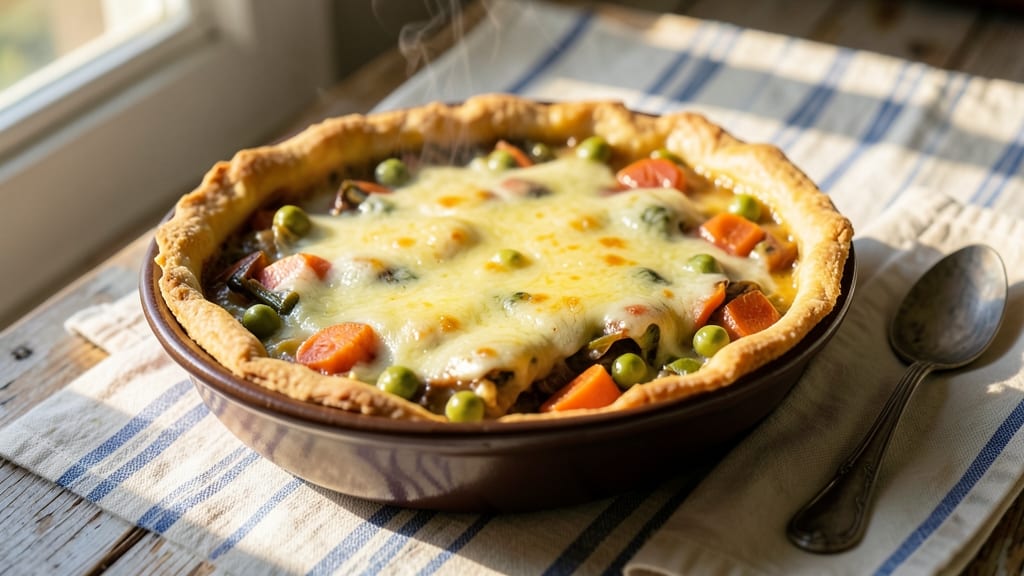
This gardener's pie recipe transforms fresh spring vegetables into a hearty, rustic dish that tastes like a hug from your favorite home cook. 🌱 The layers of tender carrots, sweet peas, and savory leeks create a filling so flavorful it doesn't need meat—though adding diced beef or lamb turns it into a showstopper for dinner parties.
I've perfected this recipe over years of spring gardening, ensuring every bite delivers that perfect balance of earthy herbs and tender vegetables.
The beauty of a gardener's pie lies in its simplicity and versatility. With just a few ingredients—flaky pie crust, seasonal vegetables, and a touch of cheese—you'll create a dish that's both comforting and impressive.
The crust gets golden and crispy while the filling stays tender, creating a texture that's impossible to resist. This recipe works equally well as a weeknight dinner or a centerpiece for a spring gathering.
By the time you pull it from the oven, your kitchen will smell like a country garden in bloom, and your table will be set for a meal that feels special without requiring hours of prep.
The crust stays crisp, the vegetables melt into perfect tenderness, and the herbs infuse every bite with fresh, vibrant flavor. It's the kind of dish that makes you want to grow your own vegetables just to taste it again.
Serve with a simple green salad and crusty bread to soak up every last bit of the savory filling. Whether you're using fresh garden produce or store-bought vegetables, this pie delivers restaurant-quality results with minimal effort. Let's get started on creating a dish that's as satisfying as it is delicious.
Ingredients for gardener's pie
Flaky crust, tender vegetables, and cheesy layers—this pie brings spring garden flavors to your table.
| Ingredient | Amount | Notes |
|---|---|---|
| All-Purpose Flour 🌾 | 2 ½ cups | For pie crust, sifted |
| Unsalted Butter 🧈 | 1 cup | Cold, cubed, full-fat |
| Ice Water 💧 | ½ cup | For crust binding |
| Salt 🧂 | ½ tsp | Fine sea salt |
| Carrots 🥕 | 2 lbs | Medium, peeled, sliced |
| Fresh Peas 🌱 | 1 ½ cups | Shelling peas, thawed if frozen |
| Leeks 🧅 | 2 whole | White/light green parts, sliced |
| Fresh Thyme 🌿 | 1 tbsp | Leaves only, chopped |
| Fresh Parsley 🌿 | ¼ cup | Flat-leaf, chopped |
| Shredded Cheddar Cheese 🧀 | 1 ½ cups | Medium sharp, block preferred |
| Heavy Cream 🥛 | ½ cup | Full-fat for richness |
| Garlic Cloves 🧄 | 3 cloves | Minced, fresh preferred |
| Olive Oil 🫒 | 2 tbsp | For sautéing vegetables |
| Black Pepper 🌶️ | ½ tsp | Freshly ground |
The crust is everything here. Store-bought pie crust works in a pinch (like Pepperidge Farm or Whole Foods brand), but homemade is worth the effort. For the best results, use cold butter—cut it into small cubes and keep it chilled until mixing. If your butter starts to melt, pop the dough in the fridge for 20 minutes. Leeks are the secret star—clean them well to remove all dirt from the layers. I always grab the thick white and light green parts, slice them thin, and sauté in olive oil until soft. The carrots should be uniform slices—about 1/4-inch thick—for even cooking. Fresh peas? Trader Joe's frozen ones are my go-to—they're sweet and never get mushy.
No fresh thyme? Dried works at one-third the amount, but fresh has that bright, garden-fresh flavor you can't beat. Cheese hater? Swap the cheddar for Gruyère or Swiss—they melt beautifully and add a nutty depth. Short on time? Pre-chopped frozen veggies save prep work, though they lack the freshness of garden produce. The garlic can be minced with a knife or pulsed quickly in a food processor—just don't overdo it. For a meaty twist (like the intro mentions), add 1 lb ground beef or lamb cooked with the leeks. It turns this into a hearty dinner party dish without extra effort.
This pie reheats like a dream—just 350°F for 15-20 minutes until the crust is golden. Keeps 3-4 days in the fridge, frozen for 3 months. I always make a double batch—one for dinner, one to freeze for lazy days. The crust stays crisp if you store it covered at room temp for up to 2 days. For extra flaky layers, brush the top crust with a little heavy cream or milk before baking. Trust me, it's worth the extra minute.
Why You'll Love This Recipe
- No-Fuss Crust: I swear by the butter-and-flour crust here—just mix, press, bake. No rolling pins, no stress, and that flaky layer? It’s the star, even if I burn the edges sometimes.
- Carrot Magic: Those sweet, tender carrots caramelize right into the crust, turning the whole thing into a golden, melt-in-your-mouth hug. Honestly, the first time I made it, I ate a slice straight from the pan.
- Leftovers for Days: This pie reheats like a dream—whether microwaved or warmed in the oven—so I make a double batch. My lunchbox gets packed for a week, and I still crave seconds.
- Budget-Friendly Staples: Flour, butter, carrots, salt—these are the basics I already have. No fancy ingredients, no last-minute grocery runs. It’s the kind of meal that lets me feed my family without breaking the bank.
Step-by-step instructions for gardener's pie
Here's how to build layers of savory vegetables and herbs into a golden crust.
👨🍳 Step 1: Make the Crust with Cold Butter
In a large bowl, combine the 2.5 cups all-purpose flour and 0.5 teaspoon salt. Cut in the 1 cup cold cubed unsalted butter using a pastry cutter or your fingers until the mixture resembles coarse crumbs with pea-sized butter pieces.
Add the 0.5 cup ice water gradually, sprinkling it over the flour mixture while gently stirring with a fork. The dough should come together but remain slightly shaggy—this ensures a flaky crust. Form the dough into a disk, wrap in plastic, and chill for 30 minutes in the refrigerator.
Here's the thing—don't overwork the dough. Pressing it too much creates tough crusts. Just handle it gently when rolling it out to fit your 9-inch pie dish. Chill the rolled crust for another 15 minutes before filling to prevent shrinking.
🍳 Step 2: Sauté Vegetables and Build the Filling
In a large skillet, heat 2 tablespoons olive oil over medium heat. Add the 2 whole sliced leeks and 2 lbs sliced carrots, cooking for 8 minutes until the leeks soften and the carrots begin to caramelize. Add the 3 minced garlic cloves and cook for another 30 seconds until fragrant.
Stir in the 1.5 cups fresh peas, 1 tablespoon chopped fresh thyme, and 0.5 teaspoon black pepper, cooking for 2 minutes until the peas are heated through. Remove from heat and let cool slightly. In a separate bowl, combine the sautéed vegetables with the 1.5 cups shredded cheddar cheese and 0.5 cup heavy cream. Toss gently to distribute the cheese evenly.
I like to taste the filling at this stage—adjust seasoning if needed. The peas should be bright, the carrots sweet, and the cheese should melt smoothly into the vegetables. This is your flavor foundation, so don't skip it.
🥘 Step 3: Assemble and Bake the Pie
Preheat your oven to 375°F. Roll out the chilled pie crust and fit it into your pie dish, pressing gently to form the sides. Trim any excess dough hanging over the edge. Pour the vegetable mixture into the crust, spreading it evenly. Sprinkle the 0.25 cup chopped fresh parsley over the top for a pop of color and freshness.
Cut the chilled dough disk into strips and weave them over the top to create a lattice crust. Brush the lattice with a little ice water to help it brown. Bake for 45-50 minutes until the crust is golden brown and the filling is bubbling at the edges. The center should be hot but not jiggly when tested with a knife.
This is where patience pays off—don't open the oven early. The pie needs time for the crust to crisp and the filling to set properly. If the crust browns too quickly, tent it loosely with foil.
⏰ Step 4: Rest and Serve Warm
Remove the pie from the oven and let it rest for 15 minutes before slicing. This resting period allows the filling to set slightly and makes for cleaner slices. The pie will be hot, so use caution when serving.
Each slice should reveal layers of tender carrots, sweet peas, and melted cheese encased in a flaky crust. The lattice design not only looks beautiful but also creates perfect pockets for every bite. Serve immediately with a simple arugula salad or crusty bread to soak up any extra filling.
Pro Tips For Making Gardener'S Pie
- CHILL THE CARROTS FIRST: Cold carrots release less moisture when cooking, so shock them in ice water for 10 minutes before chopping. I learned this the hard way—steaming carrots in their own juice turns the filling soggy, and no one wants a watery pie crust.
- CUT BUTTER IN SMALL BITS: Use frozen butter cubes instead of softened sticks—this keeps the pastry flaky without overworking the dough. Yes, it looks messy, but your crust will have that perfect layering, not a tough, greasy mess.
- DON’T OVERMIX THE DOUGH: Stir the flour-butter mixture just until it holds together, then add ice water sparingly. Overmixing develops gluten, and that’s how you end up with a chewy pastry instead of a crisp, tender one.
- SEAL THE EDGES WITH WATER: Brush the top crust with cold water before baking—it creates steam, helping the edges crisp up instead of turning soggy. Skip this, and you’ll get that sad, doughy rim that ruins the whole effect.
Regional styles of this gardener's pie
British Country Style
The classic British gardener's pie, often called a "vegetable pie," focuses on seasonal produce like leeks, carrots, and peas, but traditionally includes diced lamb or beef for extra heartiness. I like using ground lamb shoulder cooked with the leeks—it adds rich depth without overpowering the vegetables.
The British version often skips the lattice crust, opting instead for a single top crust sealed with egg wash for a rustic look. Serve with Yorkshire pudding on the side for a true British pub-style meal. 🥘
American Rustic Twist
In the American South, this pie often becomes a cheesy vegetable casserole with a biscuit topping instead of crust. I've seen versions where cornbread dough replaces the pie crust, giving it a sweeter, denser texture.
Add diced ham or bacon for a smoky flavor, and top with sharp cheddar before baking. The American approach leans heavier on cream-based fillings, making it richer and more indulgent. 🧀
French Herb Garden
French cooks elevate this pie with fresh herbs like tarragon and chervil, which add a bright, anise-like flavor. The French version often uses a pâte brisée crust (similar to pie crust but slightly richer) and incorporates wild mushrooms alongside the vegetables.
I like adding a splash of white wine to the filling when sautéing the leeks—it cuts through the richness beautifully. Finish with a sprinkle of gruyère cheese for a nutty touch. 🌿
Italian Spring Vegetable
In Italy, this pie transforms into a torta di verdure, often featuring zucchini, spinach, and sun-dried tomatoes alongside the traditional vegetables. The Italian crust is usually thinner and crispier, almost like focaccia dough.
I add garlic-infused olive oil to the filling and top it with Parmigiano-Reggiano for a salty, umami kick. The Italian version is lighter on dairy, focusing more on the bright flavors of fresh herbs and vegetables. 🍅
Modern Fusion Approach
For a contemporary twist, I've experimented with spiced cauliflower rice mixed into the filling for a lower-carb option. Add smoked paprika and cumin for warmth, and top with a crumbled goat cheese crust instead of traditional pie dough.
This fusion version keeps the rustic charm but adds global flavors—perfect for a modern dinner party. 🌎
Vegetarian Garden Delight
This meat-free version swaps out any animal protein for roasted eggplant and bell peppers, which add moisture and sweetness. I boost the flavor with nutritional yeast for a cheesy taste without dairy and smoked almonds for crunch.
The crust stays the same, but the filling becomes a vibrant mix of roasted vegetables, fresh herbs, and a touch of miso paste for umami depth. 🌱
Nutrition facts
Frequently asked questions
Can I make this gardener's pie without a lattice crust?
Use a single top crust instead—just roll out the dough, place it over the filling, trim the edges, and crimp them with a fork. Brush with egg wash (1 egg + 1 tablespoon water) for a golden finish. Bake as directed, but check for doneness at 35-40 minutes since a single crust cooks faster.
What vegetables can I substitute if I don't have fresh peas?
Try green beans, asparagus, or frozen peas (thawed) for similar texture. For extra richness, add diced potatoes or sweet potatoes—they absorb flavors beautifully. If using mushrooms, sauté them longer to remove moisture. The key is keeping the veggies tender, not mushy.
Why did my pie crust turn out soggy?
Soggy crusts usually mean the filling was too wet or the crust wasn't pre-baked. Fix this by:
- Pre-cooking your filling until most liquid evaporates (simmer uncovered for 5 minutes).
- Blind-baking the crust for 10 minutes at 375°F before adding filling.
- Using less cream (try half-and-half instead). A crisp lattice helps too—it creates air pockets that prevent sogginess.
Can I make this pie ahead of time?
Yes! Assemble the pie (unbaked) and refrigerate for up to 24 hours. Bake straight from cold, adding 10-15 minutes to the cooking time. For leftovers, reheat slices at 350°F for 10 minutes—the crust stays crispy if wrapped in foil. Freeze unbaked pies for 3 months or baked pies for 2 months. Thaw overnight in the fridge.
How do I make this vegetarian-friendly?
Skip the optional meat and boost umami with:
- 1 tbsp soy sauce or miso paste in the filling
- 1/4 cup walnuts or smoked almonds for crunch
- 1 tbsp nutritional yeast for cheesy flavor Add roasted eggplant or butternut squash for extra heartiness. The cheese and herbs will carry the dish beautifully.