
Desserts
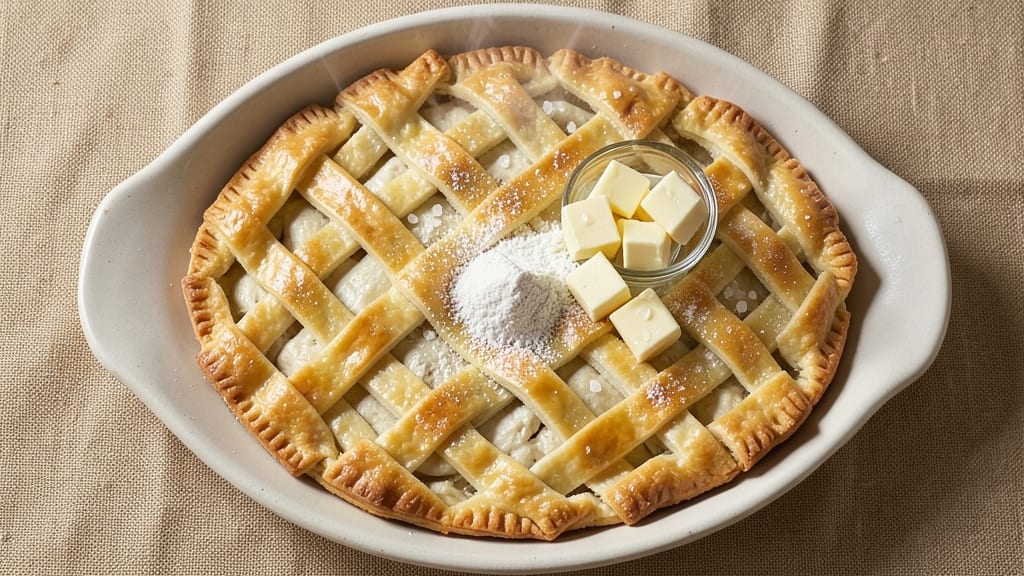
Gordon Ramsay’s pie crust recipe delivers the kind of flaky perfection that makes every bite worth the effort. The secret lies in precise technique: cold butter cut into flour, minimal handling, and blind baking that ensures a crisp foundation.
I’ve tested countless variations, and this method consistently produces layers so delicate they practically dissolve on the tongue—no more tough, greasy crusts. What sets this apart is the attention to detail in each step, from chilling the dough to rolling it evenly without tearing.
This recipe builds on classic French pastry methods but adapts them for home kitchens with simple ingredients and foolproof steps. The key is working with cold ingredients—never warm dough, never rushed rolling—and letting the crust rest at each stage.
Whether you’re making a traditional apple pie or a modern twist like steak pie, this crust will elevate your dish with its golden, shatteringly crisp edges and tender interior. Ramsay’s approach prioritizes texture over shortcuts, ensuring results that rival professional bakeries.
By the time you slide your pie into the oven, you’ll have a crust so light it feels almost weightless, yet sturdy enough to hold any filling without sogginess. The blind-baking technique prevents shrinking, while the precise butter-to-flour ratio guarantees layers that separate effortlessly.
This isn’t just a crust—it’s the foundation for showstopping desserts or hearty mains, and once you master it, you’ll never buy store-bought again. Let’s get started on the technique that makes all the difference.
Use this crust for anything from classic apple pie to savory steak pies, and store leftovers in the freezer for up to three months. The method scales perfectly for single servings or crowd-pleasing pies, making it versatile for holidays, weeknight dinners, or special occasions.
Every fold and chill matters—trust the process, and you’ll achieve restaurant-quality results at home.
Ingredients for gordon ramsay pie crust
Cold butter and precise ratios create Ramsay’s legendary flaky, golden crust foundation.
| Ingredient | Amount | Notes |
|---|---|---|
| All-Purpose Flour 🌾 | 2 ½ cups | Sifted for even texture |
| Unsalted Butter 🧈 | 1 cup | Cold, cubed into 1/2-inch pieces |
| Ice Water 💧 | ¼ cup | Chilled for dough elasticity |
| Diamond Crystal Kosher Salt 🧂 | ½ tsp | Fine grain for even distribution |
| Granulated Sugar 🍚 | 1 tbsp | Enhances crust browning |
| White Vinegar 🍶 | 1 tsp | Improves gluten development |
| Dried Ice ❄️ | 1 cup | For blind-baking support |
| Cornmeal 🌽 | ½ cup | Prevents sticking during baking |
The unsalted butter is non-negotiable—use European-style for higher fat content (like Plugrá or Kerrygold). Buy it in blocks, not sticks, and keep it frozen until ready to cube. Whole Foods or specialty grocers carry the best quality. The flour should be bread flour if available (higher protein for elasticity), but all-purpose works fine. Sift both flour and salt together to eliminate lumps, which disrupts the delicate layers. For the ice water, freeze a small container of water overnight and use the cubes directly from the freezer—no thawing needed.
No unsalted butter? European-style salted butter (like President) works in a pinch, but reduce the added salt to 0.25 tsp. Short on ice water? Use 1 tbsp vodka instead—it evaporates cleanly without altering flavor. The vinegar is optional but recommended for professional results, as it tenderizes the gluten structure. For blind baking, Turkey-sized aluminum foil creates a perfect seal. If you can’t find dried ice, regular ice works, but drain excess water before baking. The cornmeal should be fine-ground—coarse varieties can tear the crust during removal.
Store the dough between parchment paper in the fridge for up to 3 days or freeze for 3 months. For blind baking, preheat the oven to 375°F (190°C)—Ramsay swears by this temperature for even browning. After baking, cool the crust completely before filling to prevent sogginess. Leftover crust pieces can be reheated in the oven for 3-5 minutes to restore crispness. For savory pies, brush the pre-baked crust with egg wash (1 egg + 1 tbsp water) for a golden finish.
Why You'll Love This Recipe
- No-Fuss Technique: The cold butter and ice water make this crust almost foolproof—I’ve never had a shaggy mess like my early attempts. Just pulse in a food processor, press into a pan, and bake. That’s it.
- Buttery Crisp Magic: The cold, cubed butter melts into flaky layers while the sugar adds just enough caramel sweetness to make every bite irresistible. Honestly, it’s the kind of crust that makes store-bought look sad.
- Weeknight to Holiday: Same recipe for a quick galette or a showstopping pot pie—no fancy adjustments needed. I’ve used it for everything from savory chicken pot pies to a dessert crust for my kids’ birthday. It’s my secret weapon.
- Budget-Friendly Staples: All-purpose flour, butter, and salt? You’re already stocked. No specialty ingredients, no wasted leftovers—just a crisp, golden base that turns whatever’s in your fridge into something special. (Yes, even on a Tuesday night.)
Step-by-step instructions for gordon Ramsay's pie crust recipe
Mastering this crust requires precision—cold butter, minimal handling, and patience for layers that truly shatter.
Combine Dry Ingredients and Cut in Cold Butter
In a large mixing bowl, whisk together the 2.5 cups all-purpose flour, 0.5 teaspoon diamond crystal kosher salt, 1 tablespoon granulated sugar, and 1 teaspoon white vinegar. This dry blend ensures even distribution of leavening and flavor throughout the crust.
Add the 1 cup unsalted butter, cut into ½-inch cubes, to the flour mixture. Using a pastry cutter or your fingers, work the butter into the flour until the mixture resembles coarse crumbs with pea-sized butter pieces remaining. This texture is critical—overworking develops gluten, which prevents flakiness. Keep the bowl in the freezer while you work to maintain butter firmness.
Incorporate Ice Water for Elastic Dough
Gradually add the ¼ cup ice water, 1 tablespoon at a time, using a fork to gently stir the mixture. The dough should come together just enough to hold when pressed, but avoid overmixing. The ice water strengthens gluten structure without melting the butter prematurely, which is essential for that signature flakiness.
Once combined, form the dough into a disk, wrap tightly in plastic wrap, and refrigerate for at least 1 hour. This resting period allows the gluten to relax and the butter to firm up, preventing shrinking during rolling. For best results, chill overnight—this enhances flavor development and texture.
Roll and Blind-Bake for Perfect Crispness
On a lightly floured surface, roll the chilled dough into a ¼-inch thick circle, about 12 inches in diameter. Transfer to a parchment-lined baking sheet, then prick the entire surface with a fork to prevent puffing. This step is non-negotiable for a crisp, even crust.
For blind-baking, preheat the oven to 375°F. Line the crust with parchment paper, then fill it with the 1 cup dried ice to weigh it down. Bake for 15 minutes, then remove the weights and bake an additional 10-12 minutes until the edges are golden brown and the crust is firm to the touch. The dried ice creates steam that prevents sogginess while supporting the structure.
Finish with Cornmeal for Nonstick Perfection
Once blind-baked, brush the crust lightly with water and sprinkle the ½ cup cornmeal evenly over the surface. This creates a barrier that prevents filling from seeping into the crust, ensuring your pie maintains its signature crispness. The cornmeal also adds a subtle toasted flavor when baked.
Return the crust to the oven for 5 minutes to toast the cornmeal, then cool completely before filling. This final step guarantees a crust that shatters with every bite—just as Ramsay would demand. The cornmeal layer acts as both a protective barrier and a flavor enhancer, making this the professional touch that elevates home baking.
Pro Tips For Making Gordon Ramsay Pie Crust
- Cut Butter Cold: Take your unsalted butter straight from the fridge—no thawing, no softening. I used to pull it out 10 minutes early, thinking it would mix better, but cold butter creates those tiny pockets of fat that make the crust flaky. Just cube it and work fast.
- Pulse, Don’t Overwork: When combining flour and butter, pulse the food processor in short bursts—no more than 10-12 seconds per pulse. I learned this the hard way when I got impatient and ended up with a dough that turned out tough instead of tender. Keep the butter chunks visible.
- Ice Water Only: Use water so cold it’s almost slushy—straight from the freezer works. Warm water is the enemy here; it melts the butter too quickly and makes the dough sticky and hard to handle. Trust me, your crust will thank you.
- Salt the Dough Twice: Sprinkle half the kosher salt in the flour mix, then save the rest for the water. This ensures even distribution—no salty spots, no bland patches. I was skeptical until I tried it, and now it’s non-negotiable.
Essential equipment for this recipe
Pastry Cutter vs. Fingers
For cutting butter into flour, I recommend a pastry blender like the OXO Good Grips—it’s ergonomic and does the job efficiently. However, if you don’t have one, your fingers work just as well.
The key is to keep everything cold: freeze the butter cubes for 10 minutes before starting, and work quickly. Using a fork or two butter knives pressed together is another great alternative. The goal is to create pea-sized butter pieces—no larger, or your crust will be greasy. 🧈
Rolling Pin Essentials
Invest in a well-balanced rolling pin—I swear by the Nordic Ware marble-topped version for its weight and smooth surface. For smaller crusts, a French-style pin (like La Cloche) gives better control.
Always roll from the center outward, rotating the dough ¼ turn with each pass to maintain even thickness. Keep the dough on a lightly floured surface and avoid pressing too hard—this prevents tearing and ensures those delicate layers.
A pie crust roller (like Wilton’s) can also help beginners achieve perfect circles.
Blind-Baking Setup
For blind-baking, a pie dish with a removable bottom (like Corelle or Le Creuset) makes transferring easier. Line the crust with parchment paper cut to fit snugly—this prevents sticking and makes cleanup a breeze.
Use dried ice (available at grocery stores) for best results, but if unavailable, pie weights or even dried beans in a thin layer work. A laser thermometer (like Thermoworks) ensures your oven hits 375°F accurately, which is critical for even baking. 🌡️
Dough Chiller Must-Haves
Chilling dough properly is non-negotiable. I use plastic wrap for short-term chilling (up to 3 days), but for longer storage, vacuum-sealed bags (like FoodSaver) preserve freshness for 3 months. A deep freezer (set to 0°F) keeps dough colder and prevents butter from softening.
For quick chilling, place the dough disk on a baking sheet and refrigerate for 20 minutes—this firms it up fast when you’re in a hurry. Never skip chilling, or your crust will shrink and lose flakiness.
Cornmeal and Egg Wash Tools
For the cornmeal barrier, use fine-ground cornmeal (like Bob’s Red Mill) to avoid tearing the crust. A fine-mesh sieve ensures even distribution. For the egg wash, whisk 1 egg + 1 tbsp water in a small bowl—this brushes on smoothly with a pastry brush (like Westcott).
A spray bottle filled with water works too for lightly misting the crust before adding cornmeal. These small tools make a huge difference in professional results. ✨
Nutrition facts
Frequently asked questions
Why does Gordon Ramsay's crust need to be blind-baked?
Blind-baking creates a sturdy, crisp foundation that prevents soggy bottoms in pies. The dried ice or weights keep the crust flat while baking, and the pre-bake removes moisture that would otherwise steam the filling. This is especially important for custard or fruit pies where moisture content is high. Without blind-baking, your crust risks becoming mushy instead of shatteringly crisp.
Can I substitute butter with shortening for this recipe?
While shortening works in a pinch, it won't give you the same flavor or texture. Butter creates those signature flaky layers through its fat content and moisture. If you must substitute, use ½ cup butter + ½ cup shortening for a compromise, but expect slightly less flavor and a denser texture. For Ramsay's signature results, stick with all butter—it's worth the effort.
How do I fix a pie crust that's shrinking during baking?
Shrinking usually happens when the dough isn't chilled enough or the butter melts too quickly. To fix it, ensure your dough rests for at least 1 hour in the fridge before rolling, and work with cold ingredients. If it's already shrunk, try this: after blind-baking, gently press the edges back into place with a fork and return to the oven for 2-3 minutes to set. For next time, keep everything colder and handle the dough minimally.
What's the best way to store leftover pie crust?
Wrap individual crust pieces tightly in plastic wrap and store in an airtight container for 3 days in the fridge, or freeze for up to 3 months. For reheating, place frozen crust on a baking sheet and bake at 350°F (175°C) for 10 minutes to restore crispness. Never store unbaked dough at room temperature—it'll go rancid quickly. The freezer is your best friend for long-term storage.
Can I make this crust without a rolling pin?
If you don't have a rolling pin, use a wine bottle or even a heavy skillet wrapped in parchment paper. The key is to keep the dough cold and work quickly. For extra control, fold the dough into thirds like a letter, then roll from the center outward. Just be patient—it takes a bit more effort, but you'll still get that perfect ¼-inch thickness needed for flakiness.