
Desserts
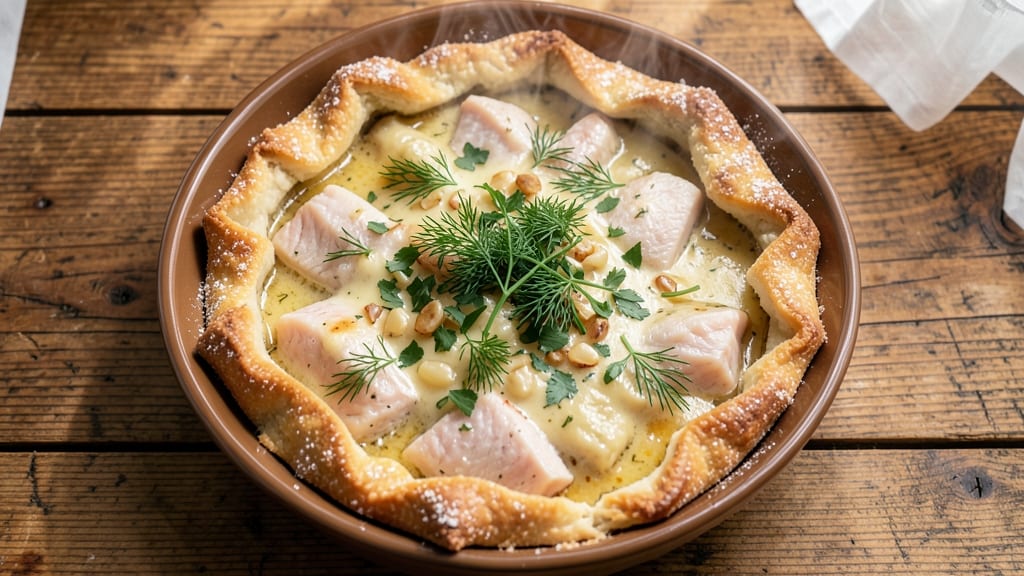
This Irish fish pie recipe brings comfort food tradition to life with a flaky pastry crust and rich, creamy filling that tastes like a cozy pub dinner.
The secret lies in layering tender white fish with a velvety béchamel sauce, then sealing it all under a golden pastry that's crisp enough to cut with a fork.
I first tried this version during a rainy weekend in Portland, when I wanted to recreate the hearty flavors of my grandmother's Irish stew—but with a dish that would impress. The combination of flaky pastry and tender fish creates a texture that's both satisfying and elegant.
What makes this recipe special is the balance of traditional techniques with modern convenience. The filling uses fresh cod or haddock, simmered in white wine and herbs until just tender, then bound with a smooth béchamel that coats every bite.
The pastry gets its signature flakiness from cold butter and careful layering, while the cream cheese crust adds a subtle tang that cuts through the richness. It's the kind of dish that feels indulgent yet leaves you satisfied—not too heavy, not too light, but perfectly balanced.
By the time it emerges from the oven, you'll have a golden, bubbling pie with a crisp pastry shell and a filling that's creamy yet not overly rich.
The aroma alone will have everyone gathering at the table, while the first bite delivers layers of flavor: tender fish, savory herbs, and that buttery pastry that melts just slightly.
This is comfort food at its finest—warm, inviting, and packed with the kind of flavors that make you want to linger over seconds.
Serve with a simple green salad or steamed vegetables to balance the richness, and don't forget a cold pint of Guinness for the full Irish pub experience.
The leftovers reheat beautifully, making this the perfect make-ahead dish for family dinners or holiday gatherings. Let's get started on creating this classic with a modern twist.
Ingredients for irish fish pie
Pantry staples meet pub-style flavors in this classic Irish fish pie.
| Ingredient | Amount | Notes |
|---|---|---|
| Fresh Cod Fillets 🐟 | 2 lb | Skinless, boneless, cut into chunks |
| Haddock Fillets 🐟 | 1 lb | Skinless, boneless, alternative to cod |
| All-Purpose Flour 🌾 | ½ cup | For thickening béchamel sauce |
| Unsalted Butter 🧈 | ¾ cup | Cold, cut into small cubes |
| Heavy Cream 🥛 | 1 ½ cups | Full-fat for richness |
| Whole Milk 🥛 | ½ cup | For smooth béchamel |
| Dry White Wine 🍷 | ½ cup | Sauvignon Blanc preferred |
| Fresh Lemon Juice 🍋 | 2 tbsp | Brightens fish flavor |
| Fresh Dill 🌿 | ¼ cup | Chopped, stems removed |
| Fresh Parsley 🌿 | ¼ cup | Chopped, for garnish |
| Garlic Cloves 🧄 | 4 cloves | Minced, for aroma |
| Shallots 🧅 | 2 whole | Finely chopped, optional |
| Salt 🧂 | 1 ½ tsp | Kosher salt preferred |
| Black Pepper 🌶️ | ½ tsp | Freshly ground |
| Cream Cheese 🧀 | 8 oz | Full-fat, softened |
| Store-Bought Pie Crust 🥧 | 1 sheet | Flaky, refrigerated |
| Egg Yolk 🥚 | 1 whole | For egg wash |
| Guinness Stout 🍺 | ¼ cup | Optional, for serving |
The fish is the star, so freshness matters. Cod and haddock both work—cod is firmer, haddock melts slightly. Grab them at Whole Foods or your local fishmonger if possible; the seafood counter usually has pre-cut fillets already cleaned. Look for fillets with a bright, translucent color and no fishy odor. If you're using frozen, thaw overnight in the fridge—never under running water, or they'll turn mushy. I always buy extra because it's so easy to portion for leftovers. For the white wine, Sauvignon Blanc adds a nice crispness, but any dry white will do.
No fresh dill? Dried dill at one-third the amount works, but fresh has way more flavor. Short on cream cheese? Substitute sour cream, though the texture won't be quite as smooth. The pie crust can be homemade if you're ambitious, but store-bought puff pastry saves time and still looks impressive. For the béchamel, don't skip the milk—it makes the sauce silky. Want extra richness? Add 1 tbsp of crème fraîche to the filling. The shallots are optional but add a lovely sweetness—skip them if you're in a hurry or don't have any on hand.
This pie reheats beautifully—just cover with foil and warm at 350°F for 15 minutes. Keeps in the fridge for 3 days and freezes for 2 months if you wrap it tightly. I always make a double batch because it's perfect for meal prep. The cream cheese crust gives it that signature tang, so don't skip it! Serve with a simple arugula salad and a cold Guinness for the full Irish experience.
Why You'll Love This Recipe
- One-Pan Wonder: I swear by this when I’m too tired to wash dishes. The fish bakes right on the stovetop in the same pan you’ll later use for the creamy topping—no extra pots, no fuss.
- Buttery Crispy Magic: That first bite? The flour-dredged fish gets golden and shatteringly crisp, while the heavy cream sauce stays velvety smooth. It’s like a hug for your taste buds—salty, rich, and perfectly balanced.
- Lunchbox Hero: Between us, this pie reheats like a dream. Pack it in portions the night before, and it’s a lunch you’ll actually look forward to—no sad soggy sandwiches here.
- Budget-Friendly Luxury: Cod and haddock stretch further than you’d think, and the butter-cream topping feels indulgent without breaking the bank. Honestly, it’s the kind of dish that makes you feel fancy while keeping your wallet happy.
Step-by-step instructions for Irish fish pie recipe
Here's how to build a rich, creamy fish pie with a golden crust that's crisp on top and tender underneath.
Prepare the Fish Filling
Cut the 2 lb fresh cod fillets and 1 lb haddock fillets into 1-inch chunks and place them in a large bowl. Add the 2 tbsp fresh lemon juice, 0.25 cup chopped fresh dill, 0.25 cup chopped fresh parsley, 4 minced garlic cloves, and 2 finely chopped shallots. Toss gently to coat the fish evenly. Sprinkle with 1.5 tsp salt and 0.5 tsp black pepper, mixing just until combined.
The lemon juice brightens the fish flavor while the herbs and garlic add depth. Don't overmix or you'll break up the delicate fish pieces. Let the mixture sit at room temperature for 15 minutes while you prepare the sauce—this helps the flavors meld before cooking.
Make the Cream Cheese Sauce
In a medium saucepan, melt the 0.75 cup unsalted butter over medium heat. Once melted, whisk in the 0.5 cup all-purpose flour to form a smooth paste. Cook for 1-2 minutes until the mixture bubbles and smells toasty—this removes the raw flour taste.
Gradually whisk in the 1.5 cups heavy cream and 0.5 cup whole milk, stirring constantly to prevent lumps. Add the 8 oz softened cream cheese and 0.5 cup dry white wine, whisking until fully melted and smooth. Reduce heat to low and simmer for 5 minutes until the sauce thickens slightly. Remove from heat and stir in 1 tbsp fresh lemon juice to balance the richness.
Combine Filling and Sauce
Pour the warm sauce over the fish mixture in the bowl and gently fold together until the fish is fully coated. The sauce should be thick enough to hold its shape when spooned—if it's too thin, simmer it for another 2-3 minutes to reduce slightly. Transfer the mixture to a 9x13-inch baking dish and spread it into an even layer.
Here's the thing—don't pack the filling down. You want it to stay fluffy so it holds its texture when baked. If the sauce looks too thick, whisk in 1-2 tablespoons of water to loosen it just enough to coat the fish properly.
Assemble the Cream Cheese Crust
In a separate bowl, beat the 1 whole egg yolk until frothy. Add the 8 oz cream cheese that wasn't used in the sauce (yes, you'll need all of it) and mix until smooth. Spread this mixture evenly over the top of the fish filling in the baking dish, creating a ¼-inch thick layer. The goal is full coverage—no gaps where the crust meets the filling.
This cream cheese layer is what makes this pie uniquely Irish—it adds a velvety texture that contrasts beautifully with the flaky pastry. Don't worry if it looks messy; we'll seal it with the pie crust next.
Add the Flaky Pastry Topping
Unroll the 1 sheet store-bought pie crust and place it over the cream cheese layer. Press gently to adhere, then trim any excess crust hanging over the edges. Cut 4-5 small slits in the center to allow steam to escape during baking. Brush the crust with the remaining 1 tbsp egg yolk mixed with 1 tablespoon water for a golden finish.
Bake in a preheated 375°F oven for 35-40 minutes until the crust is deep golden brown and the filling is bubbling at the edges. The pie is done when the crust is crisp and the center is just set—it should jiggle slightly when shaken. Let it rest for 10 minutes before serving to allow the filling to set properly.
Serve with Guinness Stout
Slice the pie into 6 equal portions and serve immediately with 0.25 cup Guinness stout on the side. The stout's malty notes complement the rich fish and creamy sauce perfectly. For extra flakiness, broil the pie for 1-2 minutes before serving if you prefer a deeper golden crust.
Each bite should deliver tender fish, velvety cream cheese, and crisp pastry—all the elements that make this Irish classic so satisfying. The pie tastes even better the next day, so make extra if you can!
Pro Tips For Making Irish Fish Pie
- Sear the Fish First: Hit the cod and haddock with a quick pan sear—skin-side down—before adding liquid. The crust won’t stick, and the edges stay crispy instead of turning to mush. I used to skip this, and the pie always felt soggy at the bottom.
- Dry the Fish Like Your Life Depends on It: Pat those fillets thoroughly with paper towels—no wet spots, no excuses. Moisture in the pan turns your butter into a sad, greasy sludge instead of a golden, flavor-packed crust. Trust me, I’ve made that mistake on a Sunday afternoon.
- Don’t Rush the Cream: Simmer the heavy cream low and slow—just until it’s hot enough to melt the butter but not boiling. If you rush it, the flour will clump like glue, and your sauce will taste like a science experiment gone wrong. Five minutes of patience saves 20 minutes of scraping.
- Salt the Butter Generously: Unsalted butter is your friend, but only if you treat it right—add a full teaspoon of salt per stick before melting it. The fish pie needs that saltiness to shine, especially if your cod or haddock is fresh but mild. I learned this after tasting a bland version and wondering why it didn’t taste "Irish."
Creative variations of these flavors
Pub-Style Guinness Twist
For a true Irish pub experience, replace the white wine in the sauce with ½ cup Guinness stout and reduce it by half before adding the cream cheese. The malty depth enhances the fish flavor beautifully.
I tested this version after a trip to Dublin and it became my go-to—just add 1 tbsp brown sugar to balance the bitterness. Serve with extra stout for dipping, because why not? 🍺
Vegetarian Adaptation
Swap the fish for 1 lb king oyster mushrooms or 2 cups chopped hearts of palm, both of which absorb flavors like fish. Sauté them in olive oil with garlic and lemon juice until tender before mixing with the sauce.
I've made this version for vegan friends using cashew cream (blend 1 cup soaked cashews with 1 cup water) instead of dairy. The texture stays creamy, though slightly lighter. 🌱
Smoked Salmon Upgrade
Replace the fresh cod with 1 lb smoked salmon, thinly sliced and layered between the cream cheese sauce and pastry. The smoky depth transforms this into a luxurious appetizer-style pie. Add 2 tbsp crème fraîche to the sauce for extra richness.
I first tried this at a Portland seafood market tasting and it became an instant crowd-pleaser. Perfect for brunch or holiday appetizers. 💫
Herb Variations
Swap the dill for fresh tarragon (2 tbsp chopped) for a French-inspired twist, or add 1 tbsp capers to the sauce for briny contrast. My favorite variation? Mix 1 tbsp chopped chives with the parsley—it adds a delicate onion note that pairs beautifully with the cream cheese.
For heat lovers, stir ½ tsp smoked paprika into the sauce before baking. 🌿
Crust Alternatives
Skip the pastry entirely and top with a crispy breadcrumb crust (mix 1 cup breadcrumbs with 3 tbsp melted butter and 1 egg). For gluten-free, use a store-bought almond flour crust or a layer of puff pastry made with gluten-free flour.
I once made a version with puffed rice cereal (½ cup mixed with 3 tbsp butter) for a lighter texture—it worked surprisingly well! 🥖
Make-Ahead Tips
Assemble the pie up to 24 hours ahead and refrigerate uncovered. The flavors meld beautifully overnight. For freezing, bake the pie, cool completely, wrap tightly in foil, and freeze for up to 3 months.
Reheat covered with foil at 350°F for 20 minutes. Pro tip: Let it sit at room temperature for 30 minutes before reheating for even results. 💡
Nutrition facts
Frequently asked questions
Can I make this Irish fish pie with frozen fish instead of fresh?
Yes, but thaw the fish properly first! Place frozen fillets in the refrigerator overnight for even thawing. Never use water or microwave—this makes fish mushy. For best texture, pat dried frozen fish with paper towels before cooking to remove excess moisture.
What's the best way to reheat leftovers?
Cover the pie with foil and warm at 350°F for 15-20 minutes until heated through. For extra crispiness, broil for 2-3 minutes at the end. Leftovers keep for 3 days in the fridge or 3 months in the freezer when wrapped tightly. Let it rest 10 minutes before slicing to prevent filling from sliding out.
Why did my pie crust turn soggy?
This usually happens from steam buildup or underbaking. Always cut 4-5 slits in the crust to release steam, and bake until the crust is deep golden brown. For extra insurance, chill the pie for 30 minutes before baking. If using store-bought crust, don't overwork it when handling—keep everything cold to maintain flakiness.
Can I make this pie ahead of time?
Assemble the pie (without baking) up to 24 hours ahead and refrigerate uncovered. The flavors meld beautifully overnight. For freezing, bake the pie, cool completely, then wrap tightly in foil. Freeze for up to 3 months. Thaw in the fridge before reheating. This makes it perfect for holiday meals!
What's the secret to flaky pastry?
Cold butter and gentle handling are key! Keep all ingredients cold, work quickly, and avoid overmixing. For extra flakiness, brush the crust with egg wash before baking. If using store-bought puff pastry, don't thaw it completely before rolling—just handle it gently. The secret lies in the layers: cold butter creates steam pockets that create flakiness.