
Desserts
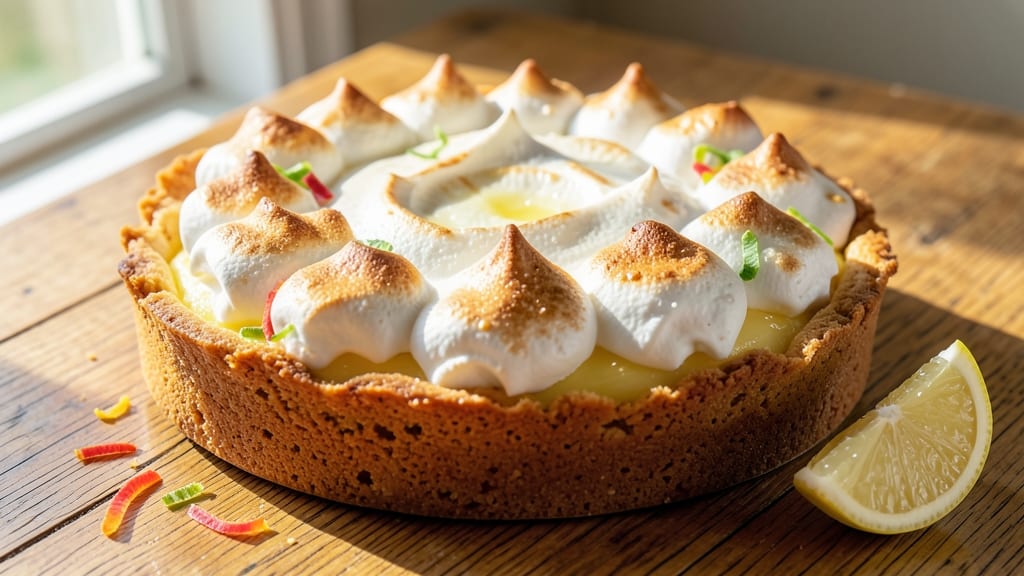
This lemon meringue pie with graham crust delivers the perfect balance of tangy lemon curd and cloud-like meringue—every bite is a symphony of bright citrus and sweet, toasted sugar. The graham crust adds a nutty, buttery foundation that elevates the classic dessert to restaurant-quality without the fuss.
I’ve perfected this recipe over years of baking, ensuring the meringue stays golden and crisp while the filling remains silky-smooth.
The secret lies in precise technique: baking the lemon filling just until set, then topping it with a meringue that’s torched to a golden brown. Whether you use a homemade graham crust or a store-bought shortcut, the result is the same—rich, vibrant layers that taste like summer in every forkful.
This pie isn’t just dessert; it’s a showstopper for holidays or special occasions.
What sets this recipe apart is the high-elevation tangy-sweet balance, achieved through a precise ratio of lemon juice to sugar and a touch of cornstarch for thickness. The meringue, whipped to stiff peaks and baked until toasted, creates a textural contrast that makes each bite unforgettable.
Ready in about 2 hours (including chilling time), this pie is worth every minute of prep.
Serve it warm with a scoop of vanilla ice cream or let it cool for a firmer meringue—either way, it’s a crowd-pleaser that always disappears first. Here’s how to make it flawlessly every time.
Ingredients for lemon meringue pie with graham crust
Classic graham crust meets tangy lemon curd and toasted meringue—just eight ingredients transform into restaurant-quality dessert.
| Ingredient | Amount | Notes |
|---|---|---|
| Graham Cracker Crumbs 🍪 | 2 ½ cups | Store-bought or homemade, finely crushed |
| Unsalted Butter 🧈 | ¾ cup | Cold, cubed for crust |
| Granulated Sugar 🍚 | ½ cup | For crust sweetness |
| Large Egg Yolks 🥚 | 1 whole | For crust binding |
| Fresh Lemon Juice 🍋 | 1 ½ cups | From 6-8 fresh lemons |
| Granulated Sugar 🍚 | 1 ½ cups | For lemon curd filling |
| Cornstarch 🌾 | ½ cup | For filling thickness |
| Large Egg Yolks 🥚 | 4 whole | For lemon curd |
| Large Egg Whites 🥚 | 5 whole | Room temperature for meringue |
| Granulated Sugar 🍚 | 1 cup | For meringue |
| Vanilla Extract 🌿 | 1 tsp | Pure vanilla for flavor |
| Salt 🧂 | ¼ tsp | Fine sea salt |
The graham crust is where it all begins. Honey Maid graham crackers work perfectly, but any quality graham cracker will do—just crush them finely for a smooth texture. The butter should be cold and cubed to prevent a soggy crust. If you're making this ahead, prepare the crust first and refrigerate it overnight for a firmer base. For extra richness, some bakers add a pinch of cinnamon to the crust mixture, but it's optional. The key is pressing it firmly into the pie dish and chilling for at least 30 minutes before baking.
Fresh lemons are non-negotiable here. Navel or Meyer lemons both work, but avoid bottled juice—it lacks the bright acidity needed for that signature tang. If you can't find fresh, high-quality bottled lemon juice (like ReaLemon) is the next best option. The cornstarch is crucial for achieving that silky-smooth filling texture—don't substitute with flour, as it can make the curd grainy. For the meringue, room-temperature egg whites whip up lighter, but if yours are cold, let them sit for 30 minutes before starting. Cream of tartar isn't strictly necessary but helps stabilize the meringue if you're in a high-humidity environment.
This pie keeps beautifully for up to 4 days in the refrigerator, though the meringue will darken if exposed to moisture. For best results, store it in an airtight container with a piece of parchment over the meringue to prevent browning. If making ahead, assemble the pie (without baking) and refrigerate for up to 24 hours before baking. The filling can be made a day ahead and stored in the fridge—just reheat gently before pouring into the crust. For serving, a scoop of high-quality vanilla ice cream (like Blue Bell) elevates the experience, but it's delicious on its own too.
Why You'll Love This Recipe
- No-Fuss Crust: I crush graham crackers in my food processor—two minutes, no mess—and mix them with melted butter. The result? A buttery, sturdy base that holds up to the tangy filling without falling apart.
- Zesty Magic: That fresh lemon juice? It’s the star—bright, sharp, and just sweet enough to balance the creamy yolks. Honestly, the first bite makes me reach for another slice before I even put the pie down.
- Weekend or Weeknight: This pie feels fancy enough for Sunday brunch but simple enough to pull together after work. I’ve served it at potlucks, holidays, and even as a dessert for my book club—no one ever questions why it’s on the menu.
- Budget-Friendly Luxury: Graham crackers and eggs won’t break the bank, but the flavor? It’s restaurant-quality. Plus, leftovers stay fresh for days—perfect for when I’m too lazy to bake again but still want something special.
Step-by-step instructions for lemon meringue pie with graham crust
Here's the method for achieving a perfectly balanced lemon meringue pie with a crisp graham crust.
Prepare the Graham Crust
Preheat your oven to 350°F. In a food processor, pulse together the 2.5 cups graham cracker crumbs, 0.75 cup unsalted butter, 0.5 cup granulated sugar, and 1 whole large egg yolk until the mixture resembles wet sand. The butter should be fully incorporated, with no dry spots remaining.
Press this mixture firmly into a 9-inch pie dish, creating an even layer along the bottom and about 1 inch up the sides. Use a glass to compact it thoroughly, as this prevents shrinking during baking. Place the pie dish on a baking sheet lined with parchment paper to catch any potential drips.
Bake for 10-12 minutes until the edges are light golden brown and the crust feels set to the touch. Let it cool completely before filling—this prevents the crust from becoming soggy when the warm lemon curd is added. The cooled crust should hold its shape when gently pressed.
Make the Lemon Curd Filling
In a medium saucepan, combine 1.5 cups fresh lemon juice, 1.5 cups granulated sugar, 0.5 cup cornstarch, 4 whole large egg yolks, 1 tsp vanilla extract, and 0.25 tsp salt. Whisk vigorously until the sugar and cornstarch dissolve completely—this prevents lumps that can make the filling grainy.
Place the saucepan over medium heat and cook, stirring constantly with a silicone spatula, until the mixture thickens to a pudding-like consistency (about 8-10 minutes). It should coat the back of a spoon and leave a clear path when you run your finger through it. Remove from heat immediately to prevent overcooking, which can make the curd too stiff.
Assemble and Bake the Lemon Layer
Pour the warm lemon curd into the cooled graham crust, spreading it evenly to the edges. The curd should fill the crust completely but not overflow. Place the pie on the preheated baking sheet and bake at 350°F for 15-20 minutes until the filling is set but still slightly jiggly in the center—this ensures it doesn't crack when cooled.
Let the pie cool to room temperature before adding the meringue. This gradual cooling prevents the curd from shrinking or the meringue from sliding off. The filling should be fully set but still vibrant yellow, with no liquid pooling on top.
Prepare the Meringue Topping
In a clean, grease-free bowl, beat the 5 whole large egg whites with an electric mixer until soft peaks form. Gradually add 1 cup granulated sugar, 1 tablespoon at a time, mixing until the meringue is thick, glossy, and holds stiff peaks. This ensures the meringue will hold its shape when baked.
Spread the meringue evenly over the lemon filling, sealing it completely to the crust edges to prevent cracking. Use the back of a spoon to smooth the top and create a slight peak in the center. Bake at 325°F for 12-15 minutes until the meringue is golden brown and crisp to the touch.
Cool and Serve
Remove the pie from the oven and let it cool completely on a wire rack. This gradual cooling allows the filling to set properly and prevents condensation from making the meringue soggy. The pie should be fully cooled before slicing—this ensures clean cuts and prevents the filling from leaking.
Store any leftovers in the refrigerator for up to 3 days, covered tightly. Reheat slices briefly in the microwave if needed, but enjoy them at room temperature for the best texture. The meringue should be crisp, the crust firm, and the lemon curd perfectly balanced between tangy and sweet.
Pro Tips For Making Lemon Meringue Pie With Graham Crust
- Chill the Crust Mix: DESCRIPTION: Freeze the graham cracker-butter mixture for 15 minutes before pressing it into the pan—even if it feels like overkill. I used to skip this and end up with a crust that crumbled into the filling like sad, buttery dust. Cold butter binds better, and the crust holds its shape when you cut into it later.
- Use Room-Temp Yolks: DESCRIPTION: Let those egg yolks sit in warm water for 10 minutes before whipping them into the lemon filling. Cold yolks fight you, and your custard will end up lumpy or under-emulsified. Trust me, a few minutes of waiting makes the filling silky instead of grainy.
- Don’t Overmix the Meringue: DESCRIPTION: Stop folding the meringue into the lemon filling when it’s just barely combined—no streaks, but no overworking either. I learned this after one disaster where I kept folding until the top looked "perfect," only to have it collapse like a deflated balloon. Gentle is the way.
- Bake in Stages: DESCRIPTION: First, bake the filling at 325°F (165°C) until it’s just set—about 15 minutes—then turn the oven down to 300°F (150°C) for the meringue. This prevents the lemon layer from curdling while the meringue browns. Sounds fussy, but it’s the only way to avoid a soggy middle or a burnt top.
Common mistakes when making great lemon meringue pie with graham crust
Overmixed Crust
When mixing the graham crust, resist the urge to overprocess the ingredients. Pulse your food processor just until the mixture resembles wet sand—no more than 10-12 pulses. Overmixing develops gluten in the graham crackers, making the crust tough instead of crumbly.
I’ve seen beginners turn it into a dense, cracker-like mess by blending too long. Keep the butter cold and cubed to prevent melting during mixing, which can also weaken the structure. 🧈
Skipping the Chill
Never skip the 30-minute chill in the freezer before baking the crust. This critical step prevents shrinking and ensures the crust holds its shape. I once rushed ahead and ended up with a crust that puffed up in the center and collapsed at the edges.
Place the pie dish on a baking sheet lined with parchment to catch any drips—this also helps maintain even heat distribution. For extra insurance, chill the crust overnight if you’re making it ahead.
Undercooked Lemon Curd
Stop stirring the lemon curd the moment it reaches a pudding-like consistency—usually around 8-10 minutes at medium heat. Continuing to cook it will turn it into a gluey mess. Test by running your finger through the mixture: it should leave a clear path.
If you overcook, whisk in 1 teaspoon cold water to restore smoothness. The curd should coat the back of a spoon but still feel slightly silky, not stiff or rubbery.
Uneven Meringue Thickness
Meringue cracks when it’s too thick or too thin. Aim for stiff peaks when whipping the egg whites—if they’re soft, add 1 more tablespoon of sugar and whip again. Spread it evenly over the filling, sealing it completely to the crust edges to prevent air pockets.
I’ve seen meringues collapse because they weren’t thick enough or because the pie wasn’t fully cooled before adding them. Let the filling cool to room temperature first to avoid condensation.
Overbaking the Meringue
Watch the meringue like a hawk in the final 5 minutes of baking—it goes from perfect to burnt in seconds. The oven should be at 325°F, and the meringue should be golden brown, not dark brown or blackened.
If your kitchen runs hot, reduce the temperature to 300°F. A toothpick inserted into the center should come out clean. Overbaking dries out the meringue and makes it taste bitter. 🔥
Rushing the Cooling
Patience is key after baking. Let the pie cool completely on a wire rack—at least 2 hours. Cutting it too soon causes the filling to leak and the meringue to collapse. The contrast between the warm filling and cold meringue creates condensation that weakens the structure.
If you’re in a hurry, refrigerate the pie for 30 minutes before slicing, but never serve it warm. The texture difference is night and day!
Nutrition facts
Frequently asked questions
Can I use store-bought graham crackers for the crust?
Store-bought graham crackers work perfectly—just crush them finely in a food processor. For extra flavor, toast the crumbs lightly before mixing with butter. The key is using about 2.5 cups of crumbs to match the recipe's texture and structure.
Why does my lemon curd sometimes separate or get grainy?
This usually happens from lumps in the mixture or overcooking. Whisk the sugar and cornstarch completely into the lemon juice first to prevent clumps. Cook over medium heat and stop stirring the moment it thickens—about 8-10 minutes. If it separates, whisk in 1 tsp cold water to restore smoothness.
How do I prevent the meringue from cracking?
Cracking happens when the meringue isn't thick enough or the pie isn't fully cooled. Whip egg whites to stiff peaks and spread them evenly, sealing to the crust edges. Let the filling cool completely before adding meringue—condensation from warmth causes cracks. For extra insurance, chill the pie for 30 minutes before serving.
Can I make this pie ahead of time?
Yes! Assemble the pie (without baking the meringue) and refrigerate for up to 24 hours. Bake the meringue just before serving for the best texture. The filling can also be made 1 day ahead—store it in the fridge and reheat gently before pouring into the crust. The meringue should always be baked fresh for maximum crispness.
What's the best way to serve this pie?
Serve it at room temperature with a scoop of vanilla ice cream for contrast. For a lighter option, try whipped cream or fresh berries. If making ahead, let it sit at room temperature for 30 minutes before slicing—this prevents the filling from leaking. The meringue should be crisp, the crust firm, and the lemon filling vibrant.