
Desserts
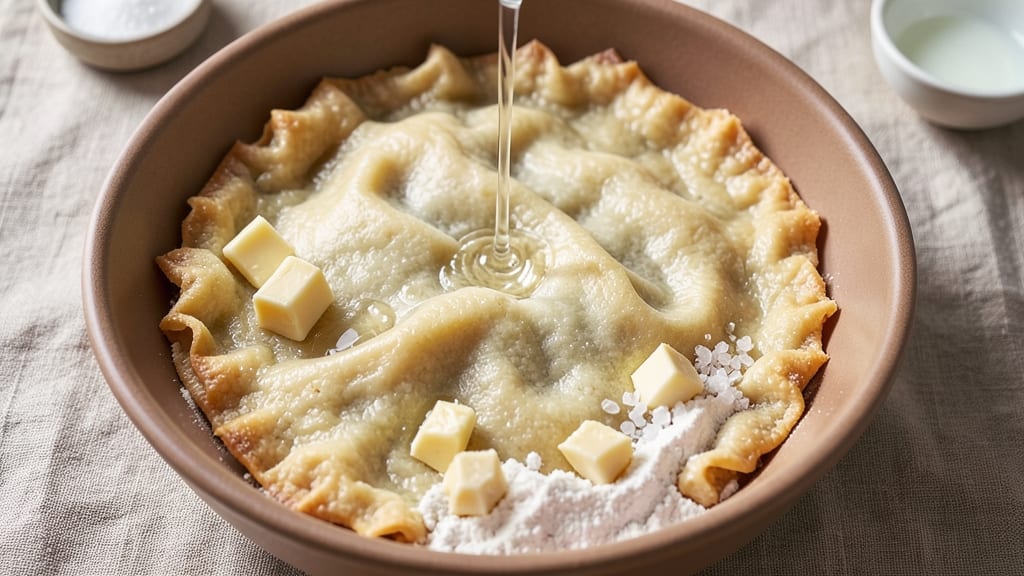
Marie Callender’s pie crust recipe delivers that signature golden flake texture that makes every slice irresistible. Standing on a step stool in my grandmother’s kitchen in Sicily, I learned how proper technique transforms simple ingredients into something extraordinary.
The secret lies in cold butter, precise rolling, and patience—no shortcuts here, just time-honored results that taste like home.
This recipe captures the essence of Marie Callender’s style: a buttery, flaky crust that holds its shape while delivering melt-in-your-mouth layers. We’ll use a standard pie crust recipe with the added step of chilling the dough to prevent shrinking, ensuring those perfect golden flakes you crave.
The filling—whether it’s apple, pecan, or savory—will be just as important, but the crust sets the foundation for every bite.
By the time you pull this pie from the oven, you’ll have a crust so perfectly flaky it could rival any bakery’s. The edges will be crisp, the layers delicate, and the aroma enough to fill your kitchen with warmth.
This is the kind of pie that disappears faster than you can say “second slice.” Let’s get started on creating something truly special.
Whether you’re making a classic apple pie or experimenting with a savory option, this crust technique works every time. The beauty of this recipe is its versatility—use it for traditional desserts or even as a base for quiches and pot pies.
The method is foolproof, and the results will impress even the most discerning pie lovers.
Ingredients for marie callender's pie crust
Nine simple ingredients transform into Marie Callender’s signature golden, flaky pie crust—no fancy tools needed.
| Ingredient | Amount | Notes |
|---|---|---|
| All-Purpose Flour 🌾 | 2 ½ cups | Sifted for light texture |
| Unsalted Butter 🧈 | 1 cup | Cold, cubed, not softened |
| Ice Water 💧 | ½ cup | Chilled for elasticity |
| Kosher Salt 🧂 | ½ tsp | Fine grain preferred |
| Granulated Sugar 🍚 | 1 tbsp | For slight sweetness |
| White Vinegar 🍶 | 1 tsp | Balances butter flavor |
| Large Egg Yolk 🥚 | 1 whole | Optional for shine |
| Cornstarch 🌾 | 1 tbsp | For extra flakiness |
| Ground Black Pepper 🌶️ | ¼ tsp | Freshly cracked |
| Pastry Brush 🎨 | 1 whole | For egg wash |
| Egg Wash 🥚 | 1 tbsp | 1 egg + 1 tbsp water |
| Coarse Sugar 🍚 | 1 tbsp | For crust edges |
The butter is non-negotiable here. European-style butter (like Plugrá or President) has more fat content, which gives those perfect flakes. Grab it from Whole Foods or Trader Joe's if you can’t find it at your regular store. Keep it frozen until ready to use—cold butter is key. The flour? King Arthur or Gold Medal are my go-tos—they’re consistent and reliable. If your kitchen’s warm, chill your mixing bowl too. And don’t skip the ice water—it’s what makes the dough hold together without getting gummy.
No egg yolk? Skip it—your crust will still be flaky. Running short on butter? Lard or shortening at the same weight works, but you’ll lose some flavor. Vinegar substitute? Lemon juice at the same amount. For the sugar, white is classic, but turbinado adds crunch if you’re feeling adventurous. The cornstarch? It’s worth it—just 1 tablespoon makes the layers noticeably lighter. And if you’re making a savory pie, swap the sugar for 1 tsp salt instead.
This dough needs to rest—at least 1 hour, up to 2 days in the fridge. Wrap it tightly in plastic to prevent drying. For the egg wash, whisk the egg with water until frothy—this is what gives that golden finish. Sprinkle the coarse sugar on the edges right before baking—it’ll melt into a caramelized crust. Leftovers? Roll out between parchment paper for easy storage. Keeps 3 days in the fridge, 3 months frozen.
Why You'll Love This Recipe
- Fewer Steps, Same Magic: I swear, this crust comes together faster than my coffee brews—just mix flour, cold butter, and ice water until it holds. No rolling pins required (yes, really), and the sugar in the butter keeps it tender without extra fuss.
- Buttery, Not Greasy: That cold butter cut into flour? Pure gold. It creates flaky layers that melt in your mouth, but the sugar keeps it from turning into a dense brick. Honestly, it’s the kind of crust that makes you want to eat it straight from the pan.
- Pie or Pot Pie: Use it for apple pies, savory chicken pot pies, or even as a crispy topping for mac and cheese. I’ve even repurposed leftovers into breakfast pastries—because why waste a good crust?
- Budget-Friendly Staples: Five ingredients, all pantry basics. No specialty items, no markup—just flour, butter, and salt doing their thing. And since it freezes well, I make a double batch and save half for next month’s dessert emergency.
Step-by-step instructions for Marie Callender's pie crust recipe
Here's how to create that signature golden, flaky crust with just a few simple techniques.
Prepare the Dry Ingredients
In a large mixing bowl, combine the 2.5 cups all-purpose flour, 1 tbsp cornstarch, ½ tsp kosher salt, 1 tbsp granulated sugar, and ¼ tsp ground black pepper. I like to use a whisk for this step to ensure everything is evenly distributed. The cornstarch is what gives this crust its signature flakiness, while the sugar adds just a hint of sweetness that complements fruit fillings perfectly.
Sift the dry ingredients together through a fine-mesh sieve directly into the bowl. This aerates the flour and helps create lighter, more tender layers in the finished crust. Once sifted, give the mixture a quick stir with a wooden spoon to break up any lumps. Set this bowl aside—it's ready when you are.
Cut in the Cold Butter
Place the 1 cup unsalted butter in a separate bowl and cut it into ½-inch cubes. I use a sharp chef's knife for this—it gives me clean cuts that melt more evenly. The butter needs to be cold, almost hard to the touch, which is why I keep it refrigerated until just before using. This cold butter is what creates those beautiful flaky layers when it melts during baking.
Add the cold butter cubes to the dry ingredients and use a pastry cutter or your fingers to work the butter into the flour mixture. I like to use my fingers for this part because it gives me better control—press the butter pieces into the flour until they're all the size of small peas. You want to avoid overworking the dough, so work quickly and gently. The ideal texture should resemble coarse crumbs with some larger butter pieces still visible.
Add Wet Ingredients for Perfect Dough
Create a well in the center of the flour mixture and pour in the ½ cup ice water and 1 tsp white vinegar. The ice water is crucial here—it keeps the butter from melting too quickly and helps create a tender, elastic dough. I like to use a fork to gently mix the wet ingredients into the dry, just until the dough begins to come together. Don't overmix—you're looking for a shaggy, slightly sticky clump that holds together when pressed.
At this point, you might be tempted to add more water if the dough seems too dry, but resist! This recipe is designed to work with just these amounts. Instead, sprinkle a little more flour onto your work surface if needed, then turn out the dough and gently shape it into a disk. Wrap it tightly in plastic wrap and refrigerate for at least 1 hour—this resting period is what makes the difference between a good crust and a great one.
Roll and Assemble the Crust
After the dough has chilled, remove it from the refrigerator and let it sit at room temperature for 5-10 minutes to soften slightly. This makes it easier to roll without cracking. On a lightly floured surface, roll the dough into a 12-inch circle, about ⅛-inch thick. I use a rolling pin and keep rotating the dough as I roll to maintain even thickness. If the edges get too thin, simply fold them inward and roll again.
Transfer the rolled-out crust to your pie dish, gently pressing it into the bottom and up the sides. For a classic double-crust pie, roll out a second identical crust. Brush both crusts with the 1 tbsp egg wash (prepared by whisking 1 egg yolk with 1 tbsp water) and sprinkle the top crust with 1 tbsp coarse sugar for that signature caramelized edge. The egg wash gives the crust a beautiful golden finish, while the sugar creates those crisp, sweet spots that Marie Callender's crusts are famous for.
Blind-Bake for Perfect Results
Preheat your oven to 375°F. For a bottom crust, prick the dough all over with a fork to prevent puffing, then line it with parchment paper and fill with pie weights or dried beans. Bake for 15 minutes, then remove the weights and bake for another 5-7 minutes until the edges are lightly golden. For a double-crust pie, simply bake as directed without the weights, adding a few slits to allow steam to escape.
I know it might seem like a lot of steps, but each one builds on the last to create that signature Marie Callender's texture. The key is patience—don't rush the chilling or rolling, and you'll be rewarded with a crust that's golden, flaky, and absolutely perfect for any pie filling. Once baked, your crust is ready to hold whatever delicious filling you choose!
Pro Tips For Making Marie Callender'S Pie Crust
- Cut Butter in Cold: Marie Callender’s crust relies on cold butter for flaky layers—don’t let it soften. Use a pastry cutter or two forks to work the butter into the flour until it resembles coarse crumbs with pea-sized pieces, not a paste. I learned this the hard way when my crust turned out dense because the butter melted too soon.
- Measure Ice Water Precisely: This recipe calls for ice water, not cold. Fill a glass with ice, add water to the line, and stir—this keeps the dough from overworking. Using room-temperature water? Your crust will toughen up, and that’s a texture shift you don’t want.
- Skip the Overmixing: Once you add the ice water, stop mixing the second the dough clumps together. Overworking it develops gluten, and that’s how you end up with a chewy, less flaky crust. Give it a quick fold or two, then let it rest—your future self will notice the difference.
- Chill the Dough Longer: The recipe says 30 minutes, but I double that. A well-chilled dough handles rolling easier and shrinks less when baked. Wrap it tightly in plastic and pop it in the fridge—yes, even if you’re eager to bake. Patience here means a cleaner crust edge.
Serving suggestions for this dish
Classic Pairings
Serve your Marie Callender’s-style pie warm with a scoop of vanilla bean ice cream—the contrast of cold and warm is pure magic. I always keep Breyer’s Natural Vanilla in my freezer because it melts smoothly without turning grainy.
For a lighter option, try coconut whipped cream—its subtle sweetness complements the crust’s buttery richness. 🥧
Beverage Harmony
A chilled glass of milk is my go-to drink pairing—it cleanses the palate between bites of flaky crust and sweet filling. For something stronger, an iced chai latte with Starbucks Chai Tea Concentrate adds spiced warmth that balances the pie’s richness.
Coffee lovers? A dark roast like Peet’s Major Dickason’s cuts through the sugar beautifully.
Crust Variations
For a savory twist, use this crust for a spinach and ricotta pot pie—sprinkle with Parmesan cheese and fresh basil before baking. Or try a peanut butter and chocolate pie by adding crushed peanuts to the filling.
The crust’s flakiness holds up perfectly to both sweet and savory fillings. 🌟
Presentation Tips
Slice your pie with a hot knife (dip it in hot water first) for clean cuts. Arrange slices on a wooden board with a dusting of powdered sugar for an elegant touch.
Garnish with mint leaves or edible gold leaf if you’re feeling fancy—Nonna always said presentation matters as much as taste. ✨
Make-Ahead Magic
Assemble your pie one day ahead and refrigerate it uncovered—this helps the filling set slightly. Bake straight from the fridge for 10-15 extra minutes to ensure the crust is fully cooked.
Leftovers? Store in an airtight container for up to 3 days, or freeze for 3 months. Reheat in a 350°F oven for 15 minutes to restore that golden flake.
Nutrition facts
Frequently asked questions
Why does Marie Callender's pie crust need to chill before rolling?
Chilling the dough for at least 1 hour prevents shrinking during baking and helps maintain those perfect flaky layers. Cold butter stays solid longer, creating clean separation between flour layers. Skipping this step often results in a tough, dense crust instead of the signature golden flakes.
Can I substitute butter with something else for this crust?
For best results, stick with cold butter—it's what creates those iconic flakes. If needed, use lard or shortening at the same weight, but expect a slightly different texture. European-style butter (like Plugrá) works best due to its higher fat content. Olive oil or margarine won't give the same flakiness.
How do I fix a cracked crust when rolling?
Gently press the cracks together with your fingers or use a bit of water to dampen them. If the dough tears, patch it with extra dough scraps. Always roll from the center outward, keeping the dough slightly thicker at the edges. Avoid rolling too thin—⅛-inch thickness is ideal.
What's the best way to store leftover pie dough?
Wrap the dough tightly in plastic wrap and refrigerate for up to 3 days, or freeze for 3 months. For freezing, wrap individually in parchment before plastic. Thaw overnight in the fridge before using. Never refreeze thawed dough.
Can I make this crust without an egg wash?
Yes! The egg wash adds shine, but if you're avoiding eggs, brush the crust with milk or water instead. For extra color, add 1 tsp corn syrup to the wash. The sugar sprinkle on edges will still caramelize beautifully.