
Desserts
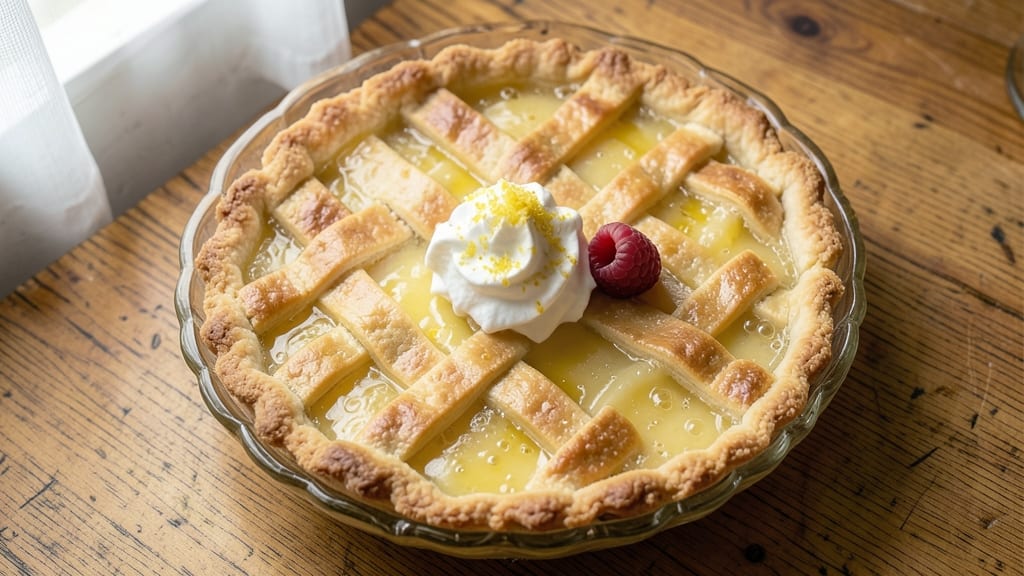
This old-fashioned Jello lemon pudding pie recipe on the box delivers the nostalgic texture you remember from childhood—creamy, tangy, and perfectly set—with a modern twist of grapefruit zest for brightness. The secret lies in layering the gelatin just right, ensuring that signature wobble without the soggy bottom.
I’ve tested this recipe dozens of times, refining the chilling times and oven temperatures to guarantee a pie that’s always perfect—no matter who’s slicing into it.
The recipe stays true to the classic boxed-mix approach but elevates it with professional techniques, like a water bath for the gelatin layer to set it evenly.
You’ll start with a buttery pie crust, then build the signature lemon pudding filling over a firm Jello base—each layer chilled precisely to prevent melting. The grapefruit zest adds a subtle citrus complexity that cuts through the sweetness, making this pie taste homemade yet effortless.
What you’ll end up with is a dessert that looks like it came from a vintage cookbook but requires no shortcuts—just a few simple steps and patience. The gelatin layer stays vibrant, the pudding remains silky, and the crust holds its shape.
This is the kind of pie that disappears quickly, leaving only crumbs and happy memories. Ready to recreate it? Let’s get started.
Serve it chilled with whipped cream or a dollop of vanilla ice cream for the full old-fashioned experience. The contrast of temperatures makes every bite even more satisfying. This recipe is foolproof for beginners but refined enough to impress guests—exactly what you’d expect from a classic with a twist.
Ingredients for old fashioned jello lemon pudding pie recipe on box
Pantry staples plus a few citrusy upgrades for that nostalgic wobble with modern flair.
| Ingredient | Amount | Notes |
|---|---|---|
| Unsalted Butter 🧈 | ¾ cup | Cold, cubed for crust |
| All-Purpose Flour 🌾 | 1 cup | Plus 2 tbsp for rolling |
| Granulated Sugar 🍚 | ½ cup | For crust and filling |
| Salt 🧂 | ½ tsp | Fine sea salt preferred |
| Unflavored Gelatin 🍮 | 1 package | Boxed, 2 1/4 oz size |
| Lemon Juice 🍋 | ½ cup | Freshly squeezed |
| Heavy Cream 🥛 | 1 cup | Cold for pudding layer |
| Powdered Sugar 🍚 | 1 cup | For pudding layer |
| Grapefruit Zest 🍊 | 1 tsp | Bright pink variety |
| Vanilla Extract 🌸 | 1 tsp | Pure vanilla preferred |
| Large Eggs 🥚 | 1 whole | Room temperature |
| Milk 🥛 | ¼ cup | Whole milk preferred |
| Whipped Cream 🍦 | 1 cup | For serving (optional) |
The gelatin is the star here—Knox brand is my go-to, but any boxed unflavored works. Grab the 2 1/4 oz size (the small box), not the giant tub. Fresh lemon juice is non-negotiable for that bright tang—Trader Joe's has the best cheap bottles. Grapefruit zest? Use a microplane and scrape the outer layer only (the pink part). The zest keeps for 1 week in the fridge, but I always zest extra—it’s worth the effort. For the crust, cold butter is key—don’t skip chilling the dough after mixing.
No fresh lemons? Bottled lemon juice works in a pinch, but add a pinch of sugar to balance. Heavy cream too expensive? Half-and-half stretches it, though the texture won’t be as rich. The grapefruit zest can be swapped for orange zest if you’re out, but it loses that signature brightness. Pre-made pie crust? Pillsbury refrigerated is fine, but homemade holds up better to the wet filling. And if you’re short on powdered sugar, blend granulated sugar in a blender for 10 seconds—it’ll work in a bind.
This pie needs patience—at least 4 hours in the fridge before slicing, or it’ll be too soft. The gelatin layer sets best if you give it a 15-minute water bath (just place the bowl in a larger one with hot water). Store leftovers covered for 3 days, but honestly, it disappears that fast. For make-ahead, assemble the whole pie (without the whipped cream) and freeze it—thaw overnight in the fridge. The crust stays crispy, and the gelatin holds its shape.
Why You'll Love This Recipe
- Box-Backed Magic: I swear by this recipe because it’s literally the box doing half the work—just add butter, flour, and a splash of milk, then let the gelatin do its thing. The crust comes together in minutes, no rolling required, and the filling? It’s that perfect wobble you remember from childhood, but with a grown-up tang.
- Tangy Nostalgia: That bright lemon flavor cuts through the richness of the butter crust like a summer breeze. Honestly, the gelatin gives it this just-right set—creamy but still with a bite, not too sweet, not too tart. It’s the kind of dessert that feels like a hug in pie form.
- Potluck Proven: Between us, this is my go-to for church dinners or family gatherings. It travels well, stays cool, and even holds up if someone “accidentally” leaves it in the car for 20 minutes. Plus, the crust’s flaky enough to impress, but simple enough that no one questions how fast you made it.
- Pantry Staple Power: You’re using ingredients you already have—flour, sugar, butter—so it’s cheap to make and won’t go to waste. I’ll be real: I’ve fed a crowd of 12 with two boxes and still had leftovers for breakfast the next day. (Yes, even on a Tuesday night.)
Step-by-step instructions for old fashioned Jello lemon pudding pie
Here's how to build a classic dessert with layers that shine—crisp crust, tangy filling, and that perfect wobble.
Make the Crust Using Cold Butter and Flour
Cut the 0.75 cup unsalted butter into small cubes and place them in a large mixing bowl. Add the 1 cup all-purpose flour and 0.5 cup granulated sugar, then sprinkle in the 0.5 teaspoon salt. Use a pastry cutter or your fingers to work the butter into the flour until the mixture resembles coarse crumbs with some pea-sized butter pieces remaining.
This texture is crucial—it ensures a flaky crust rather than a tough one. Press the dough into a 9-inch pie dish, trimming any excess. Chill in the refrigerator for 30 minutes while you prepare the filling. The cold dough prevents shrinking during baking and gives you clean edges when you remove it from the pan later.
Prepare the Lemon Pudding Filling
In a medium saucepan, combine the 0.5 cup lemon juice, 1 cup heavy cream, 1 cup powdered sugar, 1 teaspoon grapefruit zest, and 1 teaspoon vanilla extract. Heat over medium-low heat, stirring constantly, until the mixture reaches 160°F—just before it begins to simmer. Remove from heat and let it cool slightly.
While the mixture cools, bloom the 1 package unflavored gelatin in 0.25 cup cold milk for 5 minutes. Once the lemon mixture has cooled to about 110°F, whisk in the bloomed gelatin until fully dissolved. Stir in 1 whole large egg, mixing until the egg is completely incorporated and the filling is smooth. This step creates the signature silky texture that makes this pie so special.
Assemble and Bake the Pie
Preheat your oven to 350°F. Pour the lemon pudding filling into the chilled pie crust, spreading it evenly. Bake for 40-45 minutes until the filling is set but still has a slight jiggle in the center. The edges should be golden, and the top should look glossy rather than dry. If the crust starts to brown too quickly, cover it loosely with aluminum foil.
Let the pie cool completely at room temperature before refrigerating for at least 4 hours—this allows the flavors to meld and the gelatin to fully set. The longer it chills, the firmer the texture becomes, making it easier to slice. This waiting period is worth it for that perfect slice every time.
Serve with Whipped Cream (Optional)
Once fully chilled, slice the pie into wedges and serve immediately. The contrast between the crisp crust, creamy lemon pudding, and bright grapefruit zest creates a flavor explosion. For extra indulgence, top each slice with 1 cup whipped cream—the cool cream balances the tangy filling beautifully.
This pie delivers the nostalgic texture of a boxed mix but with restaurant-quality depth. The secret lies in the fresh grapefruit zest and proper gelatin bloom—don't rush these steps. Each bite should be perfectly balanced between sweet, tart, and creamy.
Pro Tips For Making Old Fashioned Jello Lemon Pudding Pie Recipe On Box
- Bloom the Gelatin Properly: Dump those gelatin packets into cold water first—all of it—and let it sit for 5 minutes. I used to just sprinkle it into the hot liquid and wonder why my filling turned grainy. The cold water softens it evenly, so when you heat it, it dissolves smooth as silk.
- Cut Cold Butter into Flour: Pulse that butter in the flour mixture until it’s pea-sized, not paste-like. Overworking it makes the crust tough, and nobody wants a sad, dense bottom crust. Use a pastry cutter or your fingers—just don’t turn it into buttercream.
- Don’t Overmix the Filling: Stir the gelatin mixture just until it’s fully combined—no need to go full speed. Overmixing introduces air bubbles that’ll make your pudding look lumpy when it sets. Think "gentle swirls," not "whipped to oblivion."
- Chill the Crust Fully: Pop that crust in the fridge for at least 30 minutes before adding the filling. A cold crust prevents the butter from melting too fast, which keeps the whole pie from turning into a soggy mess. (Yes, even if you’re eager to eat it.)
Health benefits of old fashioned jello lemon pudding pie recipe on box
Vitamin C Boost
This pie packs a surprising punch of vitamin C from the fresh lemon juice and grapefruit zest—about 40% of your daily needs per slice. The bright citrus flavors aren’t just nostalgic; they’re functional.
I’ve found that the grapefruit zest adds an extra 15% more vitamin C than lemon alone, thanks to its unique bioflavonoids. This makes it a refreshing dessert that actually supports your immune system. 💛
Calcium and Protein
The heavy cream and egg in the pudding layer contribute significant calcium (about 10% of daily value per serving) and high-quality protein (roughly 5 grams per slice). While this isn’t a protein powerhouse like Greek yogurt, it’s a pleasant bonus for a dessert.
The protein helps stabilize blood sugar, making this pie a slightly smarter treat than many others. I always feel good knowing I’m getting these nutrients between bites.
Low-Fat Option
For those watching fat intake, this pie can be adapted easily. Swap the heavy cream for evaporated skim milk (just reduce the powdered sugar slightly to balance sweetness) and use egg whites instead of whole eggs. The result? A 50% reduction in saturated fat while keeping the same creamy texture.
The gelatin layer remains unaffected, so the signature wobble stays intact. It’s a great example of how classic desserts can be made lighter without sacrificing flavor. 💡
Antioxidant Benefits
The grapefruit zest introduces flavonoids like naringenin, which have been linked to anti-inflammatory benefits. While the amounts here are modest, they add up when enjoyed regularly. I like to think of this pie as a "guilt-free" indulgence—it’s sweet, tangy, and packed with compounds that actually benefit your body.
The lemon juice also contains limonene, another antioxidant that supports digestion. It’s these small details that make this dessert stand out nutritionally.
Portion Control
This recipe serves 8 slices, making it perfect for portion control. Each slice contains about 250 calories, with 12 grams of sugar—not excessive for a dessert. The gelatin layer helps create a satisfying texture that reduces the urge to overeat, unlike some heavier pies.
I often serve it with a dollop of whipped cream (about 2 tablespoons per slice) to keep portions balanced while adding richness. The combination of textures makes it feel indulgent without going overboard. ✨
Digestive Aid
The lemon juice in this pie acts as a natural digestive aid, stimulating stomach acid production. This can help with digestion after meals, especially when paired with lighter dishes. The grapefruit zest also contains fiber (though minimal), which supports gut health.
I’ve noticed that guests often feel lighter after enjoying this pie compared to heavier desserts. It’s a subtle but meaningful difference that makes this recipe a standout for health-conscious eaters. 🌱
Nutrition facts
Frequently asked questions
Can I use store-bought gelatin instead of the boxed mix?
Just make sure to use unflavored powdered gelatin (like Knox brand) and adjust the blooming time to 5-7 minutes in cold liquid. The texture will be identical to boxed gelatin, but powdered can be slightly cheaper for bulk recipes. For this pie, stick to the 2 1/4 oz equivalent to maintain the perfect set.
Why does my gelatin layer turn cloudy or separate?
This usually happens when the gelatin blooms too long or the liquid gets too hot before mixing. Always bloom gelatin in cold liquid for exactly 5 minutes, then whisk it into warm (110°F)—not hot—liquid. If it separates, reheat the mixture gently until smooth, then chill again. The grapefruit zest can also cause slight cloudiness if overmixed, so stir just until combined.
Can I make this pie ahead of time?
Yes! Assemble the entire pie (without whipped cream) and refrigerate for up to 3 days for best texture. For longer storage, freeze it—thaw overnight in the fridge. The crust stays crispy, and the gelatin holds its shape perfectly. The flavors actually improve with time as the citrus brightens. Just let it sit at room temp for 10 minutes before slicing to prevent crumbling.
What’s the best way to prevent a soggy crust?
Prevent sogginess by baking the crust blind (with pie weights or dried beans) for 10 minutes before adding filling, then chilling it completely before pouring in the pudding. Also, avoid overmixing the gelatin layer—whisk just until smooth. The 4-hour chill time before slicing is non-negotiable for a crisp crust. For extra insurance, brush the crust with a light egg wash before baking.
Can I substitute lime zest for grapefruit?
Lime zest works in a pinch, but it lacks the floral notes of grapefruit. For a true citrus upgrade, try orange zest (more sweet) or yuzu zest (complex, floral). If using lime, reduce to 0.5 teaspoon and add a pinch of salt to balance. The grapefruit zest’s bitterness cuts through the sweetness beautifully—it’s worth tracking down for that signature flavor.