Main Courses
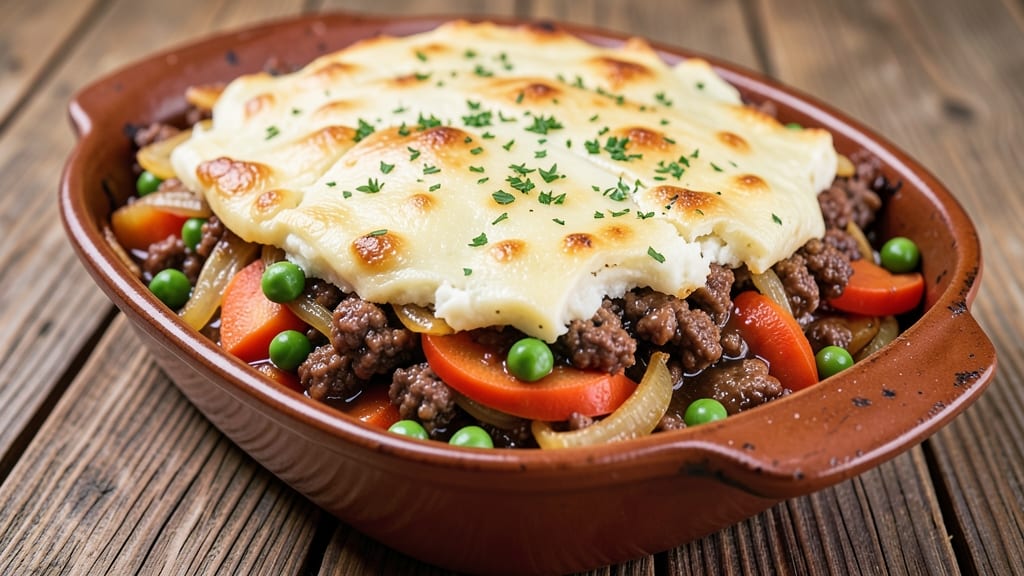
This old-fashioned shepherd's pie recipe brings comfort food tradition to your dinner table with its rich meat filling and golden potato crust.
The secret lies in slow-cooked ground beef or lamb, simmered with onions, carrots, and peas until tender, then topped with velvety mashed potatoes that bake to a flaky, crispy finish. I first made this version after discovering how much better homemade tastes compared to store-bought—no shortcuts, just classic technique.
The beauty of this dish is its simplicity: just a few core ingredients transformed into something hearty and satisfying. Browning the meat deeply develops rich flavors, while the potato topping creates that perfect contrast between tender filling and crispy edges.
The slow cooking ensures the meat stays juicy, while the potato crust forms a golden, crackly shield that seals in all the warmth. This is the kind of meal that feels like a hug on a chilly evening.
What makes this recipe stand out is how it balances tradition with flexibility—you can keep it classic with just the essentials or add modern twists like cheddar cheese or fresh herbs. The result is always the same: a dish that looks impressive but comes together with straightforward steps.
Whether you're feeding a family or hosting dinner guests, this pie delivers restaurant-quality comfort without the fuss.
Ready to try it? The process is straightforward, and the results are worth every minute. Let's get started with the ingredients and instructions that will bring this comforting classic to life in your kitchen.
Ingredients for old fashioned shepherd's pie
Classic comfort food relies on these simple yet essential ingredients that transform into a hearty, golden-topped masterpiece.
| Ingredient | Amount | Notes |
|---|---|---|
| Ground Beef 🥩 | 1 ½ lb | 80% lean for best texture |
| Yellow Onion 🧅 | 1 whole | Medium size, diced finely |
| Carrots 🥕 | 3 medium | Peeled and finely chopped |
| Fresh Peas 🌱 | 1 cup | Or frozen peas, thawed |
| Russet Potatoes 🥔 | 2 lbs | Large, peeled and cubed |
| Whole Milk 🥛 | ½ cup | Full-fat for creaminess |
| Unsalted Butter 🧈 | ½ cup | Cold, cubed for mashed potatoes |
| All-Purpose Flour 🌾 | 2 tbsp | For thickening gravy |
| Beef Broth 💧 | 1 cup | Low-sodium preferred |
| Worcestershire Sauce 🍶 | 1 tbsp | Traditional umami depth |
| Kosher Salt 🧂 | 1 ½ tsp | Adjust to taste |
| Ground Black Pepper 🌶️ | 1 tsp | Freshly cracked preferred |
| Fresh Thyme 🌿 | 1 tbsp | Leaves only, chopped |
| Garlic Cloves 🧄 | 3 cloves | Minced for filling |
The ground beef forms the heart of this dish, so choose 80% lean for that perfect balance of flavor and texture. Costco or butcher shops often have the best prices for bulk ground beef—look for bright red color and good marbling. Carrots should be firm and vibrant, not rubbery or soft. Fresh peas add brightness, but frozen works just as well—no need to thaw them completely. For the potatoes, Russets
No fresh thyme? Dried thyme at one-third the amount will work, but fresh has that unmatched aroma. Running low on Worcestershire sauce? Substitute 1 tbsp soy sauce plus 1 tsp balsamic vinegar for a similar depth. For a vegetarian twist, swap the beef for crumbled tempeh or extra-firm tofu—just add 1 tbsp soy sauce to the filling. The beef broth can be homemade or store-bought, but low-sodium versions give you better control over seasoning. And if you're short on time, instant mashed potatoes can replace the homemade version—just add 2 tbsp milk per serving. This pie reheats beautifully—best served the next day when flavors meld perfectly. Store leftovers covered in the fridge for up to 4 days, or freeze portions for 3 months. For make-ahead prep, assemble the pie (without baking) and refrigerate for up to 24 hours before baking. The potato topping can be prepped ahead and reheated in the microwave for 2 minutes before adding to the filling. When reheating, cover with foil to prevent over-browning—uncover only during the final 5 minutes of broiling for that crispy finish.
Why You'll Love This Recipe
- One-Pot Magic: I swear by this for lazy nights—just brown the beef, toss in the onions and carrots, then dump everything into one dish. The potatoes steam right into golden perfection while the filling simmers, and honestly? You’ll have a hot meal without washing a second pan. (Yes, even on a Tuesday night.)
- Lunchbox Hero: Between us, this is my go-to for meal prep. Make a big batch, slice it up, and pack it for work—it reheats beautifully, and the potatoes stay fluffy. My kid’s school lunches? Suddenly "boring" becomes "I’ll trade my dessert for more."
- Budget-Friendly Staples: Ground beef, potatoes, and frozen peas? Check. Onions and carrots? Always in my pantry. This dish stretches a few dollars into a full meal, and leftovers taste just as good reheated as they do fresh. (Not the prettiest, but the taste makes up for it.)
Step-by-step instructions for old fashioned shepherd's pie
Here's how to create a classic shepherd's pie with a rich meat filling and perfectly flaky potato topping.
Prepare the Meat Filling
In a large skillet, heat 2 tablespoons of the unsalted butter over medium-high heat. Add the 1.5 lb ground beef and cook, breaking it apart with a wooden spoon, until it loses its raw color and begins to brown. This should take about 5-6 minutes—don't rush this step, as proper browning develops deep flavor.
Push the beef to one side of the pan and add the remaining 3 tablespoons of unsalted butter. Toss in the 1 whole yellow onion and 3 medium carrots, both finely chopped, along with the 3 cloves garlic cloves that have been minced. Cook for 5-6 minutes until the vegetables soften and the garlic becomes fragrant. Here's the thing—you want the vegetables to caramelize slightly, which adds sweetness to balance the savory beef.
Stir the beef back into the pan and add 1 cup beef broth, 1 tablespoon Worcestershire sauce, 1.5 teaspoons kosher salt, 1 teaspoon ground black pepper, and 1 tablespoon fresh thyme. Bring to a simmer, then reduce heat to medium-low and cook for 10 minutes until the liquid reduces by half. Stir in the 1 cup fresh peas and cook for another 2 minutes until heated through. Remove from heat and set aside.
Make the Creamy Potato Topping
While the filling cooks, peel and cube the 2 lbs russet potatoes. Place them in a large pot and cover with cold water by about 1 inch. Add 1 teaspoon kosher salt and bring to a boil over high heat. Once boiling, reduce heat to medium-high and cook for 12-15 minutes until the potatoes are fork-tender. Drain well and return them to the pot.
Place the hot potatoes in a large mixing bowl and mash them with a potato masher or ricer. Add the 0.5 cup unsalted butter and 0.5 cup whole milk and mash until smooth and creamy. The key here is to work quickly while the potatoes are still hot—they'll absorb the butter and milk beautifully. Season with an additional ½ teaspoon kosher salt and ½ teaspoon ground black pepper if needed.
Spread the meat filling evenly into a 9x9-inch baking dish, smoothing the top with a spatula. The filling should be about ½-inch thick—this ensures the potatoes cook through without getting soggy. Here's where it matters: don't pack the filling too tightly, as this can make the potatoes difficult to slice later.
Assemble and Bake for Flaky Perfection
Spread the mashed potato topping evenly over the meat filling, using the back of a spoon to create a slightly textured surface. This texture helps the potatoes crisp up beautifully in the oven. Sprinkle the top with a pinch of ground black pepper and 1 teaspoon kosher salt for extra flavor.
Preheat your oven to 400°F. Place the baking dish on the middle rack and bake for 25-30 minutes until the top is golden brown and the filling is bubbling around the edges. The potatoes should be tender when pierced with a knife, and the top should have a crisp, flaky texture. If the top browns too quickly, tent loosely with aluminum foil to prevent over-browning while the filling finishes cooking.
Let the shepherd's pie rest for 5-10 minutes before serving—this allows the filling to set slightly and makes slicing easier. Cut into squares and serve immediately, as the flaky texture is best enjoyed right out of the oven. The contrast between the rich, savory filling and the creamy, crispy potato topping is what makes this classic dish so satisfying.
Pro Tips For Making Old Fashioned Shepherd'S Pie
- Brown the Beef Properly: Dump that raw ground beef straight into the pan and crank the heat to medium-high—no need to rush. Let it sizzle and break apart for 5-6 minutes until it loses that raw look and smells rich. I used to skip this, and the filling always tasted dull. Trust me, that caramelized crust makes the difference.
- Dice the Potatoes Evenly: Cut those Russets into chunks roughly the same size—about 1.5 inches. Uneven pieces mean some will cook faster and turn to mush while others stay raw. My grandmother swore by this, and she was right: consistent size guarantees a creamy, cohesive topping.
- Don’t Overmix the Filling: Once the beef, onions, and veggies are cooked, stir just enough to combine—maybe 30 seconds. Overworking the mixture turns it into a dense paste, and the texture suffers. Sounds weird, but it works: leave it slightly uneven for a rustic, hearty bite.
- Press the Potatoes Down Hard: Before baking, press the mashed potato topping into the filling with a fork or spoon—no need to go gentle. This locks in moisture and prevents a soggy bottom. I was skeptical until I tried it, and now I double-check this step every time.
Regional styles of this recipe
British Classic
The original shepherd's pie hails from 18th-century England, where it was called "cottage pie" when made with beef and "shepherd's pie" when using lamb. The dish emerged as a way to stretch ingredients during tough economic times, using leftover meat and potatoes.
I first learned about this history when I visited a small pub in Yorkshire—their version used lamb and Yorkshire pudding for the topping instead of mashed potatoes. 🥖
American Twist
Across the Atlantic, American cooks adapted the recipe by using ground beef instead of lamb and adding peas for extra color and sweetness. The dish became a staple in home kitchens during the Great Depression as a budget-friendly meal.
I've made this version countless times, and the key difference is the thicker potato topping—Americans prefer a more substantial crust that holds up better to reheating. This version also often includes Worcestershire sauce, which adds that signature umami depth.
Scottish Hearty Style
In Scotland, shepherd's pie takes on a heartier form with minced mutton or beef heart in the filling, along with neeps and tatties (turnips and potatoes) instead of just carrots and peas. The potato topping is often mixed with butter and cream for extra richness.
I tried this version during a trip to Edinburgh and was amazed by how the smoky flavor of mutton transformed the dish. The texture is also slightly denser, almost like a potato dumpling over the filling.
Modern Fusion
Today's cooks are putting their own spin on this classic. I love adding sharp cheddar cheese to the potato topping for a gooey, golden finish, or swapping in sweet potatoes for a caramelized twist.
For a spicy kick, I sometimes stir ½ teaspoon smoked paprika into the meat filling. Another fun variation is using cauliflower mash for a lighter topping—it still crisps beautifully but with fewer carbs. The possibilities are endless while keeping the dish's comforting essence intact. 🌶️
Irish Potato Topping
In Ireland, the potato topping often includes mashed potatoes mixed with a bit of cream cheese for extra creaminess. Some versions even add grated Parmesan for a nutty depth.
I discovered this technique when making shepherd's pie for St. Patrick's Day and was surprised by how the tangy cheese balanced the richness of the meat. The Irish also tend to serve it with buttered cabbage on the side—a perfect way to use up seasonal vegetables.
Canadian Comfort
Canadian shepherd's pie often features ground venison or beef with a thicker gravy made from pan drippings. The potato topping is sometimes mixed with cornstarch to achieve that signature flaky, crackly crust.
I've noticed that Canadian versions also frequently include frozen mixed vegetables (like corn and green beans) for extra texture. This adaptation works beautifully for large gatherings, as it reheats well and serves a crowd effortlessly. The dish feels especially cozy during Canada's long winters. ❄️
Nutrition facts
Frequently asked questions
What's the difference between shepherd's pie and cottage pie?
The only difference is the meat: shepherd's pie uses lamb, while cottage pie uses beef. This recipe uses beef, making it a cottage pie by definition—but many Americans call all versions "shepherd's pie" regardless of meat type. The classic British distinction matters more for authenticity than flavor!
Can I make this ahead of time?
Assemble the pie (without baking) up to 24 hours ahead and refrigerate. Bake straight from the fridge, adding 5-10 extra minutes to the cooking time. For best results, reheat leftovers in the oven at 350°F for 15-20 minutes—this prevents the potato topping from getting soggy.
Why did my potato topping turn out soggy?
Soggy topping usually means one of two things: either the filling was too wet (reduce cooking time next time) or the potatoes weren't dry enough after boiling. Always drain potatoes thoroughly and let them steam-dry for 2-3 minutes before mashing. Also, make sure your filling is only ½-inch thick—thicker layers trap steam.
What's the best way to make it extra crispy?
For maximum crispiness, spread the mashed potatoes with a fork to create peaks, then broil for the final 2-3 minutes of baking. You can also mix 1 tablespoon cornstarch into the mashed potatoes before topping. For restaurant-style results, brush the baked topping with a little melted butter before broiling.
Can I use ground turkey or chicken instead of beef?
Yes, but you'll need to adjust cooking times. Ground turkey or chicken will cook faster, so reduce the simmering time to 5-7 minutes after adding the broth. Add 1 teaspoon poultry seasoning to compensate for the different flavor profile. For chicken, consider adding ½ cup cream to the filling for extra richness.