
Desserts
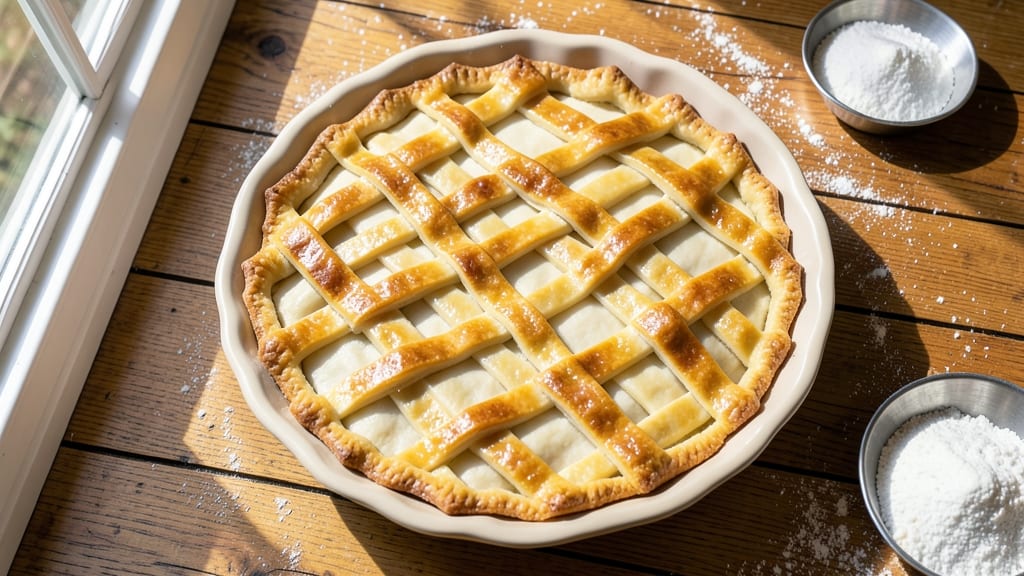
Betty Crocker's pie crust recipe delivers the perfect balance of flaky layers and golden edges that make every pie worth baking.
This timeless method combines simple ingredients—flour, cold butter, and a pinch of salt—with precise techniques to create a crust so reliable, it becomes the foundation for both sweet and savory pies. The secret lies in keeping everything cold and working quickly to maintain that signature texture we all crave.
What sets this recipe apart is its adaptability—whether you're making a classic apple pie, a rich pecan tart, or a savory chicken pot pie, the same principles apply. Using a food processor speeds up the process without sacrificing quality, but traditional hand-cutting methods yield the most satisfying results.
The crust's versatility makes it a staple in any kitchen, proving that homemade always tastes better than store-bought.
By the time you pull that pie from the oven, you'll have achieved the perfect combination of crisp, golden-brown edges and tender, flaky layers that melt in your mouth. The aroma alone will have everyone gathering around the table, and the texture will leave them asking for seconds.
This is the kind of crust that turns ordinary pies into showstoppers.
Ready to master the art of pie crust? This recipe includes optional variations, like gluten-free flour, to ensure everyone at your table can enjoy the magic. Let's get started on creating a crust that's as reliable as it is delicious.
Ingredients for pie crust recipe betty crocker
Cold butter, flour, and a splash of vinegar—these simple staples create the perfect pie crust foundation.
| Ingredient | Amount | Notes |
|---|---|---|
| All-Purpose Flour 🌾 | 2 ½ cups | Sifted for lighter texture |
| Unsalted Butter 🧈 | 1 cup | Cold, cubed (not melted) |
| Ice Water 💧 | ½ cup | Chilled for binding |
| Kosher Salt 🧂 | ½ tsp | Fine grain preferred |
| White Vinegar 🍋 | 1 tbsp | Or lemon juice |
| Granulated Sugar 🍚 | 1 tbsp | For golden edges |
| Gluten-Free All-Purpose Flour 🌾 | 2 ½ cups | Optional, for variation |
| Xanthan Gum 🧪 | ½ tsp | For gluten-free binding |
| Egg Yolk 🥚 | 1 whole | Optional, for extra richness |
The butter is non-negotiable—use unsalted sticks (like Land O'Lakes) and keep them frozen until ready to cut. European-style butter (like Plugrá) has higher fat content, which makes the crust extra flaky. If you're gluten-free, Bob's Red Mill 1:1 flour works best with xanthan gum for binding. For the flour, King Arthur or Gold Medal are reliable choices. Sift it first—this prevents lumps and ensures a lighter crust. The vinegar or lemon juice is key for that tender crumb, but don't skip it if you're short on time (just use water).
No vinegar? Lemon juice or apple cider vinegar work just as well. Want extra flakiness? Chill the dough for 30 minutes before rolling. No food processor? Cut the butter into the flour with a pastry cutter or two forks—it takes a few extra minutes but works perfectly. For the optional egg yolk, use a large egg (like Hillfarm) for the best richness. If you're making a savory pie, skip the sugar entirely—just brush the edges with egg wash before baking.
This dough keeps for 2 days wrapped tightly in plastic in the fridge. For longer storage, freeze the discs for up to 3 months—thaw in the fridge overnight before using. The gluten-free version needs extra care: press the dough gently when rolling to avoid cracks. Brush baked crusts with melted butter while warm for extra shine. Leftovers? Crumble them into pie crust ice cream—trust me, it’s magical.
Why You'll Love This Recipe
- Cold Butter Magic: I swear by the cold butter trick here—no warm, greasy mess, just cubes that cut into the flour like butter should. The crust comes together faster than you can say "blind bake," and those flaky layers? Chef’s kiss.
- Vinegar’s Secret Boost: That little splash of white vinegar? Game-changer. It tenderizes the crust without overpowering it, giving you that perfect balance of crispy edges and buttery richness. Honestly, I’ve tried other recipes, and this one just wins.
- Pie for Any Occasion: Need a quick dessert for a potluck? A blank canvas for your favorite filling? This crust handles it all—apple, pumpkin, even savory galettes. I’ve made it for Thanksgiving, weeknight dinners, and lazy Sundays, and it never lets me down.
- Budget-Friendly Staples: Five ingredients, all pantry basics—no specialty items, no markup. The ice water keeps it from turning tough, and the kosher salt? Just enough to make it sing without breaking the bank. Leftovers? Freeze half the dough for next month’s pie night.
Step-by-step instructions for betty Crocker's pie crust recipe
Here's how to create a flaky, golden crust with layers so tender they'll disappear in your mouth.
Combine Dry Ingredients for Perfect Texture
In a large bowl, whisk together the 2.5 cups all-purpose flour, 0.5 tsp kosher salt, 1 tbsp granulated sugar, and 0.5 tsp xanthan gum if using the gluten-free variation. The sugar will help create those beautiful golden edges, while the xanthan gum ensures the gluten-free version holds together properly. Sift the ingredients lightly through a fine-mesh sieve to aerate the flour and eliminate any lumps.
I like to press down gently on the sifted flour with my fingers to break up any remaining clumps. This step is crucial—it prevents a dense crust later. If you're using the gluten-free flour, be especially thorough here since these blends can sometimes contain more natural oils that need to be fully incorporated.
Cut in Cold Butter for Flaky Layers
Add the 1 cup cold, cubed unsalted butter to the flour mixture. Using a pastry cutter or two forks, work the butter into the flour until you reach pea-sized crumbs. This is where the magic happens—the cold butter creates those beautiful flaky layers when it melts during baking.
I press down on the butter pieces with my pastry cutter and turn the mixture, lifting and pressing repeatedly. You'll know it's ready when the mixture resembles coarse sand. If you see any large butter clumps, break them down further—they'll create tough spots in your crust. Work quickly to avoid warming the butter.
Add Wet Ingredients for Binding
In a small bowl, combine the 0.5 cup ice water, 1 tbsp white vinegar, and 1 whole egg yolk if using. The ice water is crucial—it keeps the mixture cold and helps create a tender crust. The vinegar adds a subtle tang that balances the sweetness, while the egg yolk adds richness and helps bind the dough.
With a fork or your fingers, gently stir the wet ingredients into the flour-butter mixture until just combined. Be careful not to overmix—you're looking for a dough that comes together when pressed but still has crumbly spots. If the dough seems too dry, add 1 teaspoon of ice water at a time until it just holds together when pressed.
Chill the Dough for Easier Handling
Divide the dough into two equal portions and flatten each into a 4-inch disk. Wrap each disk tightly in plastic wrap and refrigerate for at least 1 hour or up to 24 hours. This chilling step is essential—it firms up the dough, making it easier to roll out and preventing it from shrinking in the pie dish.
I like to press the dough disks flat before wrapping to ensure even thickness. The cold dough will be firm but pliable. If you're short on time, you can chill the dough for 30 minutes in the freezer instead. Just be sure to let it sit at room temperature for 5-10 minutes before rolling to prevent cracking.
Roll and Transfer for Perfect Fit
On a lightly floured surface, roll out one disk of dough to a 12-inch circle, about 1/8-inch thick. I use a rolling pin and keep rotating the dough to maintain even thickness. If the dough sticks, lift it and re-flour the surface—don't add too much flour or the crust will become tough.
Gently fold the dough in half and carefully transfer it to a 9-inch pie dish, unfolding it as you go. Press the dough evenly into the bottom and up the sides, creating a 1-inch overhang. Trim the excess dough with kitchen shears, leaving about 1/2-inch border. The overhang helps prevent shrinking during baking. Repeat with the second disk for a double crust if desired.
Pro Tips For Making Pie Crust Recipe Betty Crocker
- CHILL THE BUTTER FIRST: Take that cold butter straight from the fridge—no thawing, no softening. I learned this the hard way after mixing in butter that was too warm and ending up with a greasy, sad mess instead of a flaky crust. The butter should crack but not melt when you cut it into the flour.
- USE ICE WATER, NOT COLD: The recipe calls for ice water, and for good reason. Cold water just doesn’t cut it—it’s too warm and will turn your dough into a sticky, unworkable blob. Grab a bowl of ice cubes, pour in the water, and let it sit for a minute to melt just enough to use. Trust me, your crust will thank you.
- DON’T OVERWORK THE DOUGH: Once you start mixing, stop when the flour just comes together—no more. I used to think kneading would make the crust better, but all it does is develop gluten and turn your flaky layers into tough, chewy disappointment. Just combine until it’s shaggy, then shape it gently.
- REST THE DOUGH TWICE: The first rest (30 minutes) is non-negotiable, but skip the second one at your peril. After rolling out the dough and fitting it into your pie dish, let it relax for another 15-20 minutes before crimping. This gives the gluten time to relax, so it doesn’t shrink like a sad, defeated pie crust. (Yes, even if you’re impatient like me.)
Flavor customization for this recipe
Sweet vs. Savory
The same crust transforms beautifully for both sweet and savory pies—it’s all about the finishing touches. For sweet pies like apple or peach, brush the edges with a mix of 1 egg yolk + 1 tbsp water and sprinkle with 1 tbsp granulated sugar before baking.
This creates those iconic golden, caramelized edges. For savory pies like chicken pot pie or shepherd’s pie, skip the sugar and brush edges with 1 tbsp melted butter + 1 tsp olive oil instead. 🌟
Herb-Infused Variations
Elevate your crust with aromatic herbs that add depth without overpowering. For savory pies, mix 1 tbsp finely chopped fresh rosemary or thyme into the dry ingredients. For herb-infused sweet pies, try 1 tsp lemon zest + 1 tbsp chopped mint—perfect for berry pies.
I’ve also used ½ tsp smoked paprika in savory crusts for a subtle smoky note, especially with meat pies. 💛
Spiced Crust Twists
Warm spices like cinnamon and nutmeg work surprisingly well in both sweet and savory crusts. For pumpkin or pecan pies, add 1 tsp ground cinnamon + ¼ tsp nutmeg to the dry ingredients.
For savory pies, a pinch of ground ginger or cardamom pairs beautifully with chicken or mushroom fillings. If you’re feeling adventurous, try ½ tsp cayenne pepper for a subtle kick in spicy meat pies. 🌶️
Gluten-Free Adaptations
The gluten-free version already includes xanthan gum, but you can customize it further. For a nutty flavor, replace ½ cup of the gluten-free flour with finely ground almond flour.
For a richer texture, add 1 tbsp melted coconut oil to the wet ingredients. Always press the dough gently when rolling—gluten-free crusts are more delicate and prone to cracking. 💡
Cheesy or Creamy Add-Ins
For a cheesy crust, mix ½ cup shredded sharp cheddar into the dry ingredients—ideal for savory pies like quiche or pot pies. For a creamy twist, fold in ¼ cup ricotta cheese with the wet ingredients, creating a tender, almost shortbread-like texture.
This works wonderfully in spinach and cheese pies or fruit tarts. 🧀
Nutty or Seedy Boosters
Add texture and flavor with nuts or seeds. For sweet pies, mix in ¼ cup chopped walnuts or pecans with the dry ingredients. For savory pies, try 2 tbsp toasted sesame seeds or 1 tbsp poppy seeds—they add a delightful crunch.
I love using ground flaxseed in gluten-free crusts for extra fiber and a nutty taste. 🌰
Nutrition facts
Frequently asked questions
Why does my pie crust turn out tough instead of flaky?
Overworking the dough or using warm butter are the most common culprits. Keep everything cold and work quickly when cutting in the butter—pea-sized crumbs are ideal. Also, avoid adding extra flour when rolling; just use a lightly floured surface to prevent toughness.
Can I make this crust ahead of time?
The dough keeps for 2 days in the fridge wrapped tightly. For longer storage, freeze the dough disks for up to 3 months. Thaw in the fridge overnight before using—never at room temperature to prevent cracking.
How do I prevent a soggy bottom in my pie?
Pre-bake the crust for 5-7 minutes at 375°F before adding filling. For extra insurance, sprinkle dried cornstarch or crushed graham crackers on the bottom crust before filling. This creates a barrier that keeps the crust crisp.
What's the best way to roll out stubborn gluten-free dough?
Gluten-free dough is more delicate, so handle it gently. Use a light touch when pressing and avoid over-rolling. Chill the dough for 15 extra minutes if it's too sticky. For extra support, place a damp towel under the dough while rolling to prevent sticking.
Can I use this crust for savory dishes like quiche?
Yes! This versatile crust works perfectly for savory pies. Skip the sugar in the dry ingredients and brush the edges with egg wash or melted butter before baking. For extra richness, add ½ cup shredded cheese to the dry ingredients—ideal for quiche or pot pies.