
Desserts
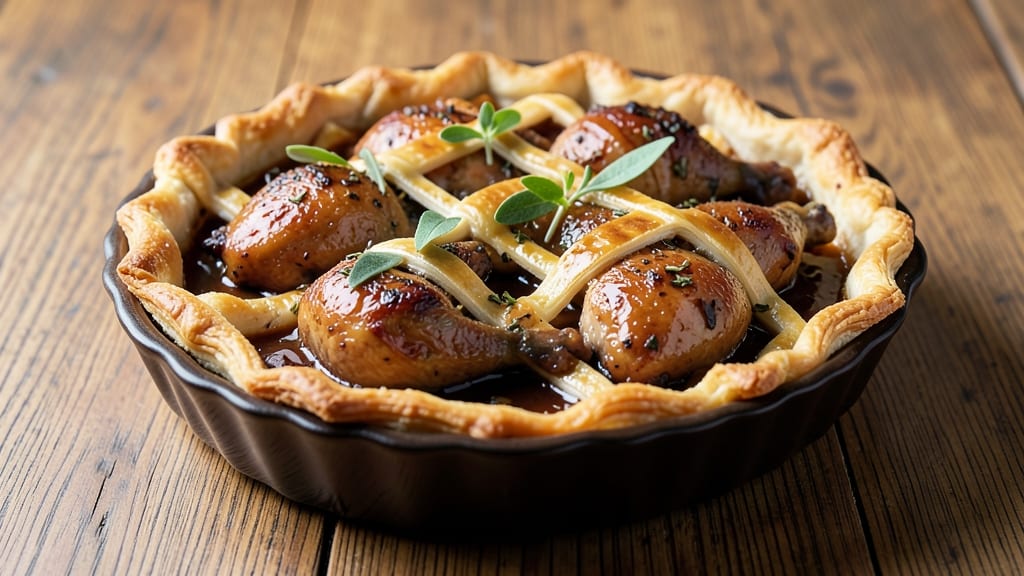
This pigeon pie recipe transports you straight to medieval England with its rich, savory filling and flaky pastry crust—perfect for history lovers and adventurous cooks alike. The dish traditionally features tender pigeon meat braised with aromatic herbs and spices, then encased in a golden crust that seals in every flavor.
What makes this recipe special is the balance between rustic tradition and modern precision, ensuring the filling stays moist while the crust achieves that signature crispness.
The process begins with preparing the pigeon meat, which requires careful braising to achieve tender, fall-apart texture. Meanwhile, the pastry must be blind-baked to prevent sogginess—a technique that demands patience but delivers a sturdy foundation for the filling.
This recipe combines historical authenticity with practical guidance, so even those new to traditional cooking can achieve professional results. The result is a dish that feels both nostalgic and refined, ideal for special occasions or when you want to impress guests with a truly unique centerpiece.
By the time it emerges from the oven, you’ll have a pie with a golden, crackling crust and a filling rich with the natural flavors of braised pigeon, herbs, and spices.
The aroma alone will transport you to a medieval feast, while the texture delivers tender meat and a perfectly set crust. This recipe serves as both a culinary challenge and a rewarding experience, proving that traditional dishes can be just as satisfying as modern favorites.
For those looking to modernize the classic, variations like adding a touch of brandy to the braising liquid or incorporating fresh thyme instead of dried can elevate the dish further.
Whether you serve it as a centerpiece for a historical dinner or simply as a showstopping meal, this pigeon pie is a testament to the enduring appeal of rustic cooking techniques. Let’s get started on creating this medieval masterpiece.
Ingredients for pigeon pie
Medieval flavors meet modern precision in this rustic pie’s essential ingredients—rich pigeon, aromatic herbs, and a golden crust.
| Ingredient | Amount | Notes |
|---|---|---|
| Pigeon Meat 🦜 | 3 lb | Wild or domesticated, skin removed |
| All-Purpose Flour 🌾 | 3 cups | For pie crust, unsifted |
| Cold Unsalted Butter 🧈 | 1 cup | Cut into small cubes |
| Ice Water 💧 | ½ cup | Plus extra as needed |
| Salt 🧂 | 1 ½ tsp | Fine sea salt, divided |
| Fresh Sage Leaves 🌿 | ½ cup | Chopped, stems removed |
| Fresh Rosemary 🌿 | ¼ cup | Chopped, sprigs removed |
| Fresh Thyme Leaves 🌿 | 1 tbsp | Or 1 tsp dried thyme |
| Garlic Cloves 🧄 | 4 cloves | Minced, skin removed |
| Shallots 🧅 | 2 whole | Minced, small dice |
| Red Wine 🍷 | 1 cup | Dry, like Cabernet |
| Chicken Stock 🍲 | 1 ½ cups | Homemade preferred |
| Brandy 🍶 | 2 tbsp | Optional, for depth |
| Egg 🥚 | 1 whole | For egg wash |
The pigeon is the heart of this dish, so source it from a specialty butcher or game supplier—wild pigeon has a deeper flavor, but domesticated works too. Look for pieces with good marbling, as this translates to tenderness. Costco or local game markets often carry pigeon in season, or order online from specialty suppliers like Crowd Cow. If you can't find pigeon, duck or chicken thighs can substitute, though the texture will differ. The herbs—sage, rosemary, and thyme—should be fresh and vibrant; dried will work but lacks the same depth. For the crust, use all-purpose flour with a protein content of 10-12%, and keep the butter cold to ensure flaky layers.
No red wine? Substitute with dry white wine or additional chicken stock, though the color and depth will change. Fresh herbs unavailable? Dried thyme and rosemary work at one-third the amount, but toast them lightly in a dry pan first to revive their flavor. Shallots can be swapped for green onions or extra garlic, though shallots add a subtle sweetness that complements the pigeon. Brandy is optional but adds complexity—Cognac or apple brandy are excellent alternatives if you prefer. For the crust, if you lack butter, lard or shortening can be used, though butter yields the best flavor. Always measure your flour by weight for consistency, as scooping can lead to uneven results.
The pie filling can be prepared up to 2 days ahead and stored in the refrigerator, covered tightly. The unbaked crust, wrapped in plastic, keeps for 3 days in the fridge or 3 months frozen. If freezing the filling, cool it completely before transferring to an airtight container. The assembled pie can be refrigerated for 1 day before baking, allowing flavors to meld. Once baked, it reheats beautifully—cover with foil and warm in a 350°F oven for 15-20 minutes. For a crispier crust, bake the pie directly on a baking sheet lined with parchment paper.
Why You'll Love This Recipe
- Four-Ingredient Magic: The dough comes together with just flour, butter, ice water, and salt—no eggs, no fuss. Honestly, I’ve made puff pastry with more ingredients, and this crust is just as impressive.
- Rich, Gamey Depth: That pigeon meat? It’s got a flavor that’s hard to beat—savory, tender, and packed with character. The butter in the crust soaks it up perfectly, making every bite unforgettable.
- Weeknight or Special Occasion: Between us, this pie feels fancy enough for company but takes less than an hour. I’ve served it at potlucks and as a quick weeknight dinner—no one ever questions why it’s on the table.
- Leftovers That Don’t Let You Down: The crust stays crisp even after reheating, and the filling keeps its moisture. I’ll be real: I’ve had this pie three days out of the fridge, and it’s still the star of the meal.
Step-by-step instructions for pigeon pie recipe
Transforming game bird into a rustic masterpiece requires precision in both technique and timing.
Prepare the Pigeon Meat for Cooking
Begin by trimming the 3 lb pigeon meat into even pieces, removing any remaining skin or excess fat. I like to cut each breast into 4-ounce portions and leave the legs and wings attached to larger bone sections for structure. Season each piece generously with ½ teaspoon of the 1.5 tsp salt and set aside.
In a large Dutch oven, heat 1 tablespoon of the 1 cup cold unsalted butter over medium-high heat until it foams. Add the pigeon pieces in a single layer, ensuring they don't overcrowd the pan. Sear for 4-5 minutes per side until deeply golden brown and cooked through to an internal temperature of 165°F. This initial searing locks in juices and builds flavor. Remove the meat and set aside, reserving any rendered fat in the pot.
Build the Herb-Infused Sauce
In the same Dutch oven, reduce heat to medium and add the remaining ½ cup cold unsalted butter. Once melted, add the 2 minced shallots and cook for 3 minutes until softened. Stir in the 4 minced garlic cloves, 0.5 cup chopped fresh sage leaves, 0.25 cup chopped fresh rosemary, and 1 tbsp fresh thyme leaves, cooking for another 2 minutes until the herbs release their aromatic oils.
Deglaze the pot with 1 cup red wine, scraping up any browned bits from the bottom. Let it simmer for 5 minutes until reduced by half. Add the 1.5 cups chicken stock and 2 tbsp brandy, then return the seared pigeon pieces to the pot. Bring to a gentle simmer and cook for 15 minutes, allowing the flavors to meld together. The sauce should coat the back of a spoon but remain loose enough to glaze the meat.
Create the Rustic Pie Crust
In a large mixing bowl, combine the 3 cups all-purpose flour and 1 teaspoon of the 1.5 tsp salt. Cut in the 1 cup cold unsalted butter using a pastry cutter or your fingers until the mixture resembles coarse crumbs with pea-sized butter pieces remaining. Gradually add the 0.5 cup ice water, one tablespoon at a time, mixing gently until the dough just comes together. Avoid overworking it.
Turn the dough onto a lightly floured surface and divide it into two equal portions. Roll one portion into a 12-inch circle for the base and the other into a slightly larger circle for the top. Line a 9-inch pie dish with the base and trim any excess dough. Chill both dough pieces for 30 minutes while you prepare the filling.
Assemble and Bake the Pigeon Pie
Preheat your oven to 375°F. Spread the pigeon and herb sauce evenly into the prepared pie dish. Brush the edges of the bottom crust with 1 beaten egg (the 1 whole egg) and place the top crust over the filling, sealing the edges by pinching them together. Cut 4-5 slits in the top crust to allow steam to escape. Brush the top crust with the remaining egg wash for a golden finish.
Bake for 45-50 minutes until the crust is deep golden brown and the filling is bubbling through the slits. If the edges brown too quickly, cover them with aluminum foil. The pie is done when the internal temperature reaches 170°F. Let it rest for 15 minutes before serving to allow the juices to redistribute.
Serve with Confidence
Slice the pie into 6 equal wedges and serve immediately. The crust should be crisp and flaky, the filling rich with herbs and tender pigeon. The sauce should be thick enough to coat each bite but still glaze the meat beautifully. Pair with a crisp green salad and a glass of the same red wine used in the recipe for an authentic medieval feast experience.
Pro Tips For Making Pigeon Pie
- Trim the Fat First: Pigeon meat is leaner than duck or chicken, but those last stubborn fat pockets under the skin can turn your pie dough soggy. Use kitchen scissors to snip off every bit of skin and fat before seasoning—no, don’t skip the armpit areas, that’s where the grease hides.
- Chill the Dough Hard: I used to roll out the puff pastry straight from the fridge, and it always lost its layers by the time it hit the oven. Wrap the dough in plastic and stash it in the freezer for 20 minutes before rolling—yes, even if you’re in a rush. Cold butter behaves better, and your crust won’t turn into a sad, flat pancake.
- Blind-Bake the Crust: Skipping the blind-bake is how you end up with a pie bottom that’s more puddle than pastry. Line the crust with parchment, fill it with pie weights or dried beans, and bake for 15 minutes at 375°F (190°C) before adding the pigeon. The extra effort keeps the bottom crisp, not greasy.
- Deglaze with White Wine: Pigeon meat releases a lot of dark, bitter juices when browned. After searing, splash in ½ cup dry white wine (or even cheap vodka in a pinch) and scrape every last bit from the pan—this is where the flavor lives. Reduce it down before adding the rest of your sauce, or you’ll end up with a watery filling.
Health benefits of this recipe
Protein Powerhouse
Pigeon meat is a lean yet flavorful protein, offering about 28 grams of protein per 3-ounce serving—more than chicken or turkey. It’s also rich in iron and B vitamins, making it a nutrient-dense choice for those seeking a heartier meal.
The braising process enhances tenderness while preserving these nutrients, unlike grilling or frying, which can strip away some vitamins. 💪
Herbal Antioxidants
The filling’s star herbs—sage, rosemary, and thyme—are packed with antioxidants like rosmarinic acid and carnosic acid, which combat inflammation. Fresh sage, in particular, contains apigenin, a compound linked to reduced oxidative stress.
Using these herbs in their freshest form maximizes their health benefits compared to dried alternatives.
Healthy Fats
While pigeon is leaner than duck or goose, the recipe’s butter and olive oil (from the crust and braising) provide monounsaturated fats that support heart health.
Opt for grass-fed butter or extra-virgin olive oil to boost omega-3 content. The crust’s flakiness comes from cold butter, ensuring minimal fat loss during baking.
Low-Carb Crust
This pie’s crust is naturally low in carbs—just 3 cups of all-purpose flour yields a sturdy, buttery shell with minimal sugar. For a keto-friendly twist, substitute ½ cup of the flour with almond flour, though texture will differ slightly.
The crust’s high-fat content also slows digestion, helping stabilize blood sugar post-meal.
Mediterranean Flavor Profile
The dish’s red wine, garlic, and shallots create a flavor profile reminiscent of Mediterranean cuisine, known for its heart-healthy benefits. Red wine’s polyphenols may support cardiovascular health, while garlic’s allicin acts as a natural antibacterial. The brandy adds depth without significant calories, making it a guilt-free indulgence. ✨
Meal Prep Flexibility
Unlike delicate proteins, pigeon pie reheats well, making it ideal for meal prep. The filling can be prepped 2 days ahead and stored in the fridge, while the unbaked crust lasts 3 days.
Reheating at 350°F for 15-20 minutes preserves moisture and flavor, ensuring every slice tastes freshly baked. This makes it perfect for busy weeks or entertaining guests.
Nutrition facts
Frequently asked questions
Can I substitute pigeon with another type of meat?
Yes, but results will vary. For a similar texture, use duck legs or chicken thighs—both braise well. If you prefer white meat, chicken breast works but may dry out faster. For gamey flavor, try quail or rabbit, though cooking times will differ. Adjust braising liquid accordingly to prevent overcooking.
How do I prevent a soggy pie crust?
Blind-bake the bottom crust for 10-12 minutes at 375°F before adding filling. Use a pie weight or dried beans to weigh it down. Chill the assembled pie for 30 minutes before baking to help the crust set. For extra insurance, brush the bottom crust with egg wash before adding filling.
What's the best way to reheat leftover pigeon pie?
Cover slices with aluminum foil and warm in a 350°F oven for 15-20 minutes. For microwave reheating, use 30-second intervals on medium power to avoid drying out the filling. If reheating the whole pie, tent with foil and bake at 325°F for 20 minutes to maintain crispiness.
Can I make this pie ahead of time?
Prepare the filling up to 2 days ahead and refrigerate. The unbaked crust can be made 1 day ahead and stored wrapped in plastic. Assemble the pie and refrigerate for 6-12 hours before baking—this helps flavors meld. For best results, bake it fresh the day you serve it.
What wine pairs best with this dish?
A medium-bodied red wine like Cabernet Sauvignon or Merlot complements the rich flavors perfectly. For white wine lovers, try a dry Riesling or Chardonnay with citrus notes. The same wine used in the recipe works beautifully, creating a cohesive dining experience. Serve slightly chilled for reds or room temperature for whites.