
Desserts
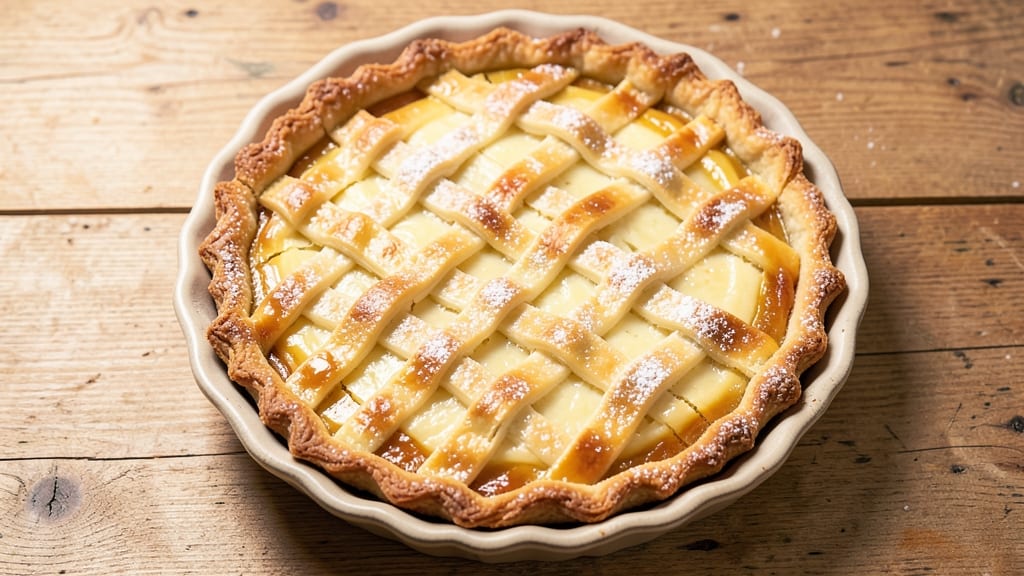
Recreating the Pioneer Woman's custard pie delivers that perfect balance of velvety vanilla custard and a buttery, pressed oat crown that cracks just right when sliced. This recipe captures her signature touch—rich, creamy filling with a whisper of vanilla bean—while keeping the technique accessible for home bakers.
The secret lies in slow-cooking the custard to eliminate any raw egg taste, ensuring every bite is smooth and luxurious.
You’ll start with a simple pie crust, either homemade or store-bought, pressed into a deep dish for that iconic rustic edge.
The filling combines whole milk, sugar, and a generous splash of vanilla extract (or scraped seeds from a real vanilla bean for extra depth), thickened to a luscious, pudding-like consistency.
Baking at a steady temperature guarantees a custard that’s silky, not grainy, with a golden, crackly oat topping that adds texture.
The result is a pie that’s both nostalgic and refined—creamy custard that melts in your mouth, framed by a crisp, buttery crust. Serve it warm with a scoop of vanilla ice cream or let it cool slightly for clean, elegant slices.
This is comfort food at its finest, with the Pioneer Woman’s signature flair.
For those short on time, the crust can be pre-made, and the custard filling can be prepared ahead and reheated gently before pouring. The pressed oat topping adds a rustic charm without requiring advanced skills—just press, score, and bake. Every step is designed to deliver that restaurant-quality finish at home.
Ingredients for pioneer woman custard pie
The Pioneer Woman's custard pie demands quality ingredients for that signature velvety texture and crackly oat crown.
| Ingredient | Amount | Notes |
|---|---|---|
| All-Purpose Flour 🌾 | 2 ½ cups | For pie crust, sifted |
| Unsalted Butter 🧈 | 1 cup | Cold, cubed for crust |
| Ice Water 💧 | ½ cup | Chilled for crust |
| Granulated Sugar 🍚 | 1 ¼ cups | For crust and filling |
| Large Eggs 🥚 | 4 whole | Room temperature |
| Whole Milk 🥛 | 2 ½ cups | Cold, full-fat preferred |
| Vanilla Extract 🍯 | 2 tbsp | Pure, high-quality |
| Cornstarch 🌽 | ½ cup | For thickening custard |
| Salt 🧂 | ½ tsp | Fine sea salt |
| Old-Fashioned Rolled Oats 🍚 | 1 ½ cups | For pressed topping |
| Brown Sugar 🍬 | ¼ cup | Packed, for oat topping |
| Vanilla Bean Seeds 🍯 | 1 tsp | Scraped from 1 bean (optional) |
| Ground Cinnamon 🌿 | ½ tsp | For oat topping |
The pie crust is where texture begins. Use all-purpose flour with a protein content of 10-12%—King Arthur or Gold Medal are reliable choices. For butter, Plugrá or Land O'Lakes unsalted work best when cold and cubed. The ice water keeps the dough firm during assembly. If your kitchen runs warm, chill the dough for 30 minutes before pressing into the pie dish. The granulated sugar here balances the richness, so use Domino or C&H for consistent results. For the eggs, room temperature ensures even baking—cold eggs can cause cracks.
No vanilla bean? Pure vanilla extract from McCormick or Nielsen-Massey still delivers depth. The cornstarch is critical for that silky custard—Bob's Red Mill is a trusted brand. For substitutions, heavy cream can replace milk at a 1:1 ratio, but the custard will be richer. The rolled oats should be old-fashioned, not quick—Quaker is widely available. If you prefer a sweeter topping, add 1 tbsp honey to the oat mixture. The brown sugar adds caramel notes when toasted, so Muscovado or light brown works best. For extra vanilla punch, scratch-made vanilla extract (simmer vanilla beans in vodka) elevates the flavor further.
Store the pie crust dough wrapped in plastic for up to 3 days or freeze for 3 months. The custard filling reheats beautifully—simmer gently on the stove until just warm before pouring. The oat topping can be prepped ahead and kept dry in the fridge for 2 days. Once baked, the pie keeps at room temperature for 4 hours or refrigerated for 5 days. For serving, warm slices with a scoop of vanilla bean ice cream—the contrast of temperatures is pure nostalgia. Freeze individual slices for 2 months if you prefer a firmer custard.
Why You'll Love This Recipe
- Foolproof Crust: I swear by this cold butter, ice water trick—no overworked dough, no tears. The crust comes together in minutes, and that flaky magic? It’s all in the quick cuts and gentle folding. (Yes, even if you’re not a baker.)
- Velvet Custard Core: That sugar-egg-butter filling is ridiculously smooth—no lumps, no graininess, just pure, creamy perfection. The secret’s in the slow simmer and constant stirring, but honestly? It’s worth the patience.
- Weeknight Hero: No fancy ingredients, just pantry staples. I’ve made this for potlucks, picnics, and lazy Sundays—it’s always a hit. Plus, the leftovers? Still just as good reheated or cold.
- Budget-Friendly Luxury: Five ingredients, one dish, zero guilt. The butter and eggs feel indulgent, but the flour and sugar stretch far. Between us? This is the kind of pie that makes you feel fancy without breaking the bank.
Step-by-step instructions for Pioneer Woman custard pie
Here's how to build this classic dessert with a flaky crust, velvety custard, and signature oat topping.
Prepare the Pie Crust
In a large mixing bowl, combine the 2.5 cups all-purpose flour and 0.5 tsp salt. Cut in the 1 cup unsalted butter using a pastry cutter or your fingers until the mixture resembles coarse crumbs with pea-sized butter pieces. Gradually add the 0.5 cup ice water, one tablespoon at a time, mixing just until the dough comes together.
Turn the dough out onto a lightly floured surface and knead gently for about 30 seconds until smooth. Divide the dough into two equal parts, wrap each in plastic wrap, and refrigerate for at least 1 hour. This chilling period ensures the crust stays firm and easy to roll out later. For best results, let the dough rest until it's cold to the touch before handling.
Create the Vanilla Custard Filling
In a medium saucepan, whisk together the 2.5 cups whole milk, 1.25 cups granulated sugar, 0.5 cup cornstarch, and 0.5 tsp salt until the sugar and cornstarch are completely dissolved. Place the saucepan over medium heat and cook, stirring constantly with a wooden spoon, until the mixture thickens enough to coat the back of the spoon.
Remove the pan from heat and stir in the 2 tbsp vanilla extract and 1 tsp vanilla bean seeds, if using. Let the custard cool to room temperature, stirring occasionally to prevent a skin from forming. This cooling step is crucial for preventing cracks in your finished pie. The custard should be thick but still pourable when ready to use.
Assemble the Pie
Preheat your oven to 375°F. On a lightly floured surface, roll out one of the chilled dough discs into a 12-inch circle, about 1/8-inch thick. Transfer the dough to a 9-inch pie dish, pressing gently to fit. Trim any excess dough hanging over the edge. Roll out the second dough disc and set aside.
Pour the cooled custard filling into the prepared pie shell, spreading it evenly. Cover the filling with the second dough disc, again trimming any excess. Crimp the edges together to seal, then cut 4-5 slits in the top crust to allow steam to escape during baking. Place the pie on a baking sheet to catch any drips.
Prepare and Add the Oat Topping
In a small bowl, combine the 1.5 cups old-fashioned rolled oats, 0.25 cup packed brown sugar, and 0.5 tsp ground cinnamon. Mix well to distribute the cinnamon evenly. Sprinkle this mixture evenly over the top crust, pressing down lightly with your fingers to create a textured surface.
Bake the pie in the preheated oven for 45-50 minutes, until the crust is golden brown and the filling is set but still slightly jiggly in the center. The oat topping should be crisp and caramelized. If the edges brown too quickly, cover them with aluminum foil after 20 minutes of baking to prevent over-browning.
Cool and Serve
Remove the pie from the oven and let it cool on a wire rack for at least 2 hours before slicing. This resting period allows the custard to fully set and prevents it from running when you cut into the pie. The contrast between the warm, creamy custard and the crisp oat topping is what makes this pie so special.
Serve slices at room temperature for the best texture. The crust should be flaky, the custard smooth and vanilla-forward, and the oat topping should provide a delightful crunch with every bite. For an extra touch, garnish each serving with a sprinkle of ground cinnamon or a few vanilla bean seeds.
Pro Tips For Making Pioneer Woman Custard Pie
- CHILL THE BUTTER FIRST: Pioneer Woman’s recipe calls for cold butter, but I learned the hard way—if it’s too soft, your crust turns greasy instead of flaky. Pop those butter cubes in the freezer for 15 minutes before cutting them into the flour. (Yes, even if you’re impatient like me.)
- WHISK EGGS UNTIL THICK: The custard filling relies on properly emulsified eggs—don’t just crack them in. Whisk them vigorously until they’re ribbony and triple their original volume. I used to skip this, and the filling always ended up grainy. (Your future self will notice the difference.)
- PREVENT CRACKS WITH FOIL: Baking custard pies straight from the oven often leads to surface cracks. After 20 minutes, tent the pie with aluminum foil to trap steam. This keeps the top smooth and prevents that unsightly weeping. (It’s not just for looks—it’s for texture.)
- USE A THERMOMETER FOR DONENESS: The recipe might say "until set," but custard can be tricky—overbake it, and it’s dry; underbake it, and it’s jiggly. Pull it when the center hits 170°F (77°C). I was skeptical until I tried it—now I never guess.
Essential equipment for great pioneer woman custard pie
Pie Dish Essentials
Start with a 9-inch deep-dish pie plate—I recommend Pyrex glass for even heat distribution or ceramic stoneware like Corelle for rustic charm. Avoid thin metal pans; they burn the crust too quickly.
For the pressed oat crown to shine, choose a dish with slightly sloped sides—this helps the oat topping crisp beautifully. If you’re short on time, a pre-made pie crust from Pillsbury or Whole Foods works perfectly, saving you 30 minutes of prep. 🍰
Custard Thickening Tools
A medium saucepan with sloped sides (like Calphalon or All-Clad) prevents custard from spilling over during thickening. I use a wooden spoon to stir constantly—this prevents scorching and creates a smoother texture.
For precise temperature control, a candy thermometer (I love Thermoworks) helps you hit the 175-180°F range for that silky finish. If you don’t have one, test the custard by dipping a spoon in—it should coat the back smoothly. 🌡️
Vanilla Extraction Kit
For that Pioneer Woman signature vanilla depth, invest in a real vanilla bean. A vanilla bean splitter (available on Amazon for under $10) lets you scrape out the seeds easily. If you’re using extract, Nielsen-Massey Madagascar Bourbon is my go-to—it’s rich and balanced.
For a budget-friendly option, McCormick Pure Vanilla Extract delivers consistent flavor. Pro tip: Toast your vanilla bean in a 200°F oven for 5 minutes before scraping to intensify its aroma. 🍯
Oat Topping Press
The secret to a crackly oat crown lies in pressing the topping firmly. Use a pie bird (a small metal weight) or even a heavy can of tomatoes to keep the oats flat while baking.
If you don’t have one, press the oats with the back of a spoon in a circular motion, then score the top lightly with a knife before baking. This creates those signature cracks that make the pie look (and taste) restaurant-worthy. 🌾
Baking Precision Tools
An oven thermometer (I swear by Thermoworks Oven Thermometer) ensures your 375°F setting is accurate—many ovens run 25°F hotter or colder than displayed. For even baking, place a baking sheet under the pie to catch drips and use parchment paper on the bottom crust to prevent sogginess.
A pie crust shield (like Wilton’s) protects the edges from over-browning while the top crisps. 🔥
Cooling and Serving Gear
Let your pie cool on a wire rack—never on the counter, or the crust will steam and soften. For serving, a sharp pie server (I use Dexter-Russell) ensures clean slices without crushing the custard.
Store leftovers in an airtight container with parchment between layers to keep the oat topping crisp. For a showstopper presentation, dust with powdered sugar or a sprinkle of toasted coconut flakes before serving. ✨
Nutrition facts
Frequently asked questions
Why does my custard pie filling sometimes have lumps?
Lumps usually mean the custard thickened too quickly or wasn't stirred properly. Always whisk the milk, sugar, and cornstarch mixture until fully dissolved before heating, and stir constantly on medium heat until it reaches 175-180°F. Let it cool slightly before pouring into the pie shell to prevent cracking. For extra smoothness, strain the cooled custard through a fine-mesh sieve before using.
Can I make this custard pie ahead of time?
Assemble the pie (without baking) up to 24 hours ahead and refrigerate. For best results, bake it 1 hour before serving to let the custard set properly. The oat topping stays crisp for 4 hours at room temperature, but refrigerate leftovers in an airtight container with parchment between slices to maintain texture. Reheat individual slices in a 350°F oven for 10 minutes if needed.
What's the difference between this recipe and a classic vanilla cream pie?
This Pioneer Woman custard pie uses a cornstarch-thickened custard (not whipped cream), giving it that signature velvety, pudding-like texture. The pressed oat topping adds a rustic crunch missing from cream pies, while the deep-dish crust provides structure. Classic cream pies often have a meringue or whipped cream layer on top instead of the oat crown. Both are delicious, but this version delivers that homey, comforting feel.
How do I fix a soggy bottom crust?
Prevent soggy crusts by pre-baking the bottom crust for 10 minutes before adding filling, or use a parchment paper barrier between the crust and custard. If it happens after baking, place the pie upside down on a wire rack for 30 minutes to crisp the bottom. For future pies, chill the assembled pie (unbaked) for 30 minutes before baking to help the crust firm up during the process.
Can I substitute the oat topping with something else?
Yes! For a nutty twist, try crushed pecans or walnuts mixed with brown sugar. A streusel topping (flour, butter, sugar) works too, or skip the topping entirely for a classic double-crust look. If you prefer sweetness, add 1 tbsp honey or maple syrup to the oat mixture. Just remember, the oat topping is what gives this pie its signature crackly texture and caramelized flavor.