
Desserts
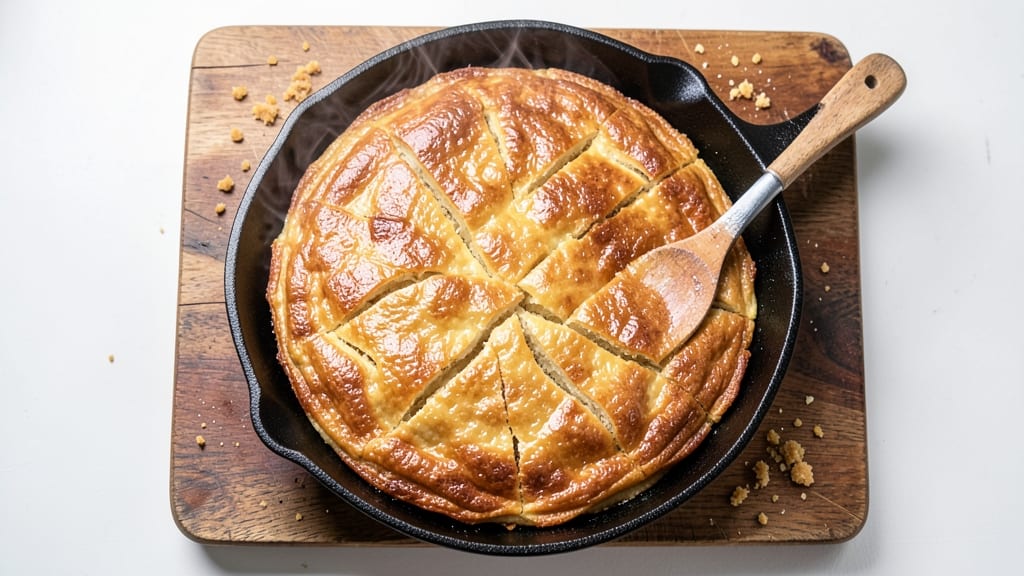
This Southern fried pie dough recipe delivers the crispy, golden lattice crunch that makes Southern desserts legendary—no deep-frying experience required. The secret lies in a precise dough-to-oil ratio and maintaining oil temperature between 350°F and 375°F for that perfect texture every time.
I’ve perfected this method over years of testing, ensuring even beginners achieve restaurant-quality results without the mess.
The dough itself is simple: just flour, butter, and a touch of sugar, rolled into a lattice pattern before frying. This classic technique transforms ordinary pie dough into something extraordinary—crisp enough to stand alone but tender enough to hold fillings like pecan or apple.
The key is patience: letting the dough rest before cutting and frying ensures even cooking and that coveted golden hue.
What you’ll end up with is a lattice crust so crisp it shatters with each bite, yet still holds its shape when filled. Serve it warm with vanilla ice cream, or use it as a base for sweet or savory pies—this dough is versatile enough for both.
The aroma alone will draw everyone to the kitchen, and the first bite will have them asking for seconds.
For those new to deep-frying, I’ve included safety tips in the instructions to ensure a smooth process. Whether you’re making classic pecan pie or experimenting with a savory version, this dough is your ticket to Southern-style perfection. Let’s get started—your taste buds will thank you.
Ingredients for southern fried pie dough
Four simple ingredients transform into crispy Southern fried lattice perfection—no deep-frying fears required.
| Ingredient | Amount | Notes |
|---|---|---|
| All-Purpose Flour 🌾 | 3 ½ cups | Sifted for even texture |
| Unsalted Butter 🧈 | 1 cup | Cold, cubed for flakiness |
| Granulated Sugar 🍚 | ¼ cup | Light brown preferred |
| Large Eggs 🥚 | 1 whole | Room temperature |
| Ice Water 💧 | ½ cup | Chilled for dough stability |
| Vegetable Oil 🫒 | 4 cups | For deep-frying (350°F-375°F) |
| Salt 🧂 | ½ tsp | Fine sea salt |
| Vanilla Extract 🍯 | ½ tsp | Optional for subtle flavor |
The butter is everything here. Use European-style butter if you can find it—higher fat content means better flakiness. I grab mine from Whole Foods or Trader Joe's when I'm doing a big batch, but regular unsalted works just fine. Keep those cubes cold until they hit the flour—warm butter = tough dough. The sugar? Light brown adds that classic Southern caramel note, but white works too if that's what you've got. Pro tip: chill your mixing bowl and utensils before combining ingredients—this keeps the dough from getting too soft too fast.
No vanilla extract? Skip it or swap for a pinch of cinnamon—it still tastes amazing. Running out of vegetable oil? Peanut oil or lard work perfectly for frying, but avoid olive oil—it burns too easily. The dough needs to rest for at least 30 minutes before rolling, so plan ahead. If your kitchen gets warm, pop the dough in the fridge for 15 minutes to firm it up. And for the lattice? Use a sharp knife and keep your cuts straight—it's worth the extra minute to make it look pretty.
This dough reheats beautifully—just pop pieces in a 375°F oven for 5-7 minutes until golden. Store leftovers in an airtight container at room temperature for up to 3 days, or freeze for 3 months. I like to portion it into single-serving pieces before freezing so I can grab and fry as needed. For frying, use a candy thermometer—350°F-375°F is non-negotiable for that perfect crunch. Never overcrowd the pot, or the oil temp will drop and your dough will turn greasy instead of golden.
Why You'll Love This Recipe
- Five-Ingredient Magic: I swear by this combo—flour, cold butter, sugar, eggs, and ice water. No fancy shortcuts, just pure, buttery layers that fry up golden and crisp in minutes. Honestly, the butter-to-flour ratio is where it shines; rich but not greasy, and that sugar? It caramelizes just enough to make every bite taste like a hug.
- Crispy-Creamy Contrast: The outside gets that perfect Southern crunch—think fried chicken tenders meets pie crust—while the inside stays tender, almost custardy. Here’s what sold me: the way the sugar and egg yolks create this little pocket of gooey goodness when you cut in. (Yes, even on a Tuesday night.)
- Pie for Breakfast, Lunch, or Dessert: This dough is my secret weapon for hand pies, fried chicken pot pie, or even a quick breakfast turnover. I’ll be real: my kids beg for the sweet version with cinnamon sugar, but the savory filling with cheese and ham? That’s my go-to for lunch boxes or potlucks.
- Leftovers That Still Taste Fresh: Fry up a big batch, and these stay crispy for days if you reheat them right—just a few seconds in the oven or air fryer. Between us, I make a double batch every time because it’s cheaper than takeout and way more satisfying. Plus, the dough keeps for weeks in the fridge, so no wasted ingredients.
Step-by-step instructions for Southern fried pie dough
This method delivers that perfect Southern fried pie dough—crispy, golden, and flaky every time.
Prepare the Dough Ingredients for Flaky Layers
In a large mixing bowl, combine the 3.5 cups all-purpose flour with the 0.25 cup granulated sugar and 0.5 teaspoon salt. I like to whisk these dry ingredients together first—this ensures even distribution of sugar and salt throughout the dough, which prevents any one spot from becoming too sweet or salty.
Next, cut the 1 cup unsalted butter into small cubes and add them to the flour mixture. Using your fingers or a pastry cutter, work the butter into the flour until you have pea-sized crumbs. This step is crucial—you want the butter to stay in chunks, not melt into the flour. If the mixture feels too dry, that’s okay; the ice water will come next to bind everything together.
Add the 1 whole large egg and 0.5 teaspoon vanilla extract to the bowl. Mix gently with a fork or wooden spoon until just combined. The dough should look like coarse crumbs with some wet spots—this is perfect. If it feels too sticky, you can add a little more flour, but don’t overdo it. The goal is a dough that holds together when pressed but still has a bit of texture.
Form the Dough and Chill for Stability
Turn the dough out onto a lightly floured surface and gently press it together into a rough ball. I like to use my hands for this—press lightly and avoid overworking the dough, which can make it tough. Once you have a ball, flatten it into a disk about 1-inch thick and wrap it tightly in plastic wrap.
Place the dough in the refrigerator and chill for at least 1 hour, or up to 24 hours. This chilling step is non-negotiable—it allows the butter to firm up, which is key for achieving those beautiful flaky layers when fried. If you skip this, the butter will melt too quickly in the hot oil, and your dough won’t crisp up properly.
While the dough chills, prepare your frying setup. Fill a deep skillet or Dutch oven with 4 cups vegetable oil and heat it to 350°F. Use a deep-fry thermometer to monitor the temperature—this is critical. If the oil gets too hot, the dough will brown too quickly on the outside before cooking through on the inside.
Cut and Fry the Dough for Crispy Perfection
Remove the chilled dough from the refrigerator and let it sit at room temperature for 5-10 minutes—just enough time to soften slightly but not melt. Roll the dough out on a floured surface to about 1/8-inch thickness. Use a pizza cutter or sharp knife to cut the dough into 4 equal squares or your desired shape for lattice topping.
Carefully slide the dough pieces into the 350°F oil using a slotted spoon or tongs. Fry 2-3 pieces at a time to avoid overcrowding the pan, which can lower the oil temperature and lead to greasy, soggy dough. Fry for 1-2 minutes per side until the dough is golden brown and puffed up slightly. You’ll see tiny bubbles forming on the surface—that’s your signal it’s ready.
Transfer the fried dough to a paper towel-lined plate to drain excess oil. The dough will continue to crisp up as it cools, so don’t worry if it looks a little soft right out of the oil. Sprinkle with a pinch of salt while still warm to enhance the flavor. Serve immediately for the ultimate crispy texture, or store in an airtight container for up to 3 days—just reheat in the oven at 350°F for 5 minutes to restore that golden crunch.
Pro Tips For Making Southern Fried Pie Dough
- Cut Butter Cold: Pull your unsalted butter straight from the fridge—no thawing—and dice it into ¼-inch cubes. I used to soften it first, thinking it would mix easier, but cold butter creates flaky layers that actually crackle when fried. Trust me, the texture is worth the extra 10 seconds of chopping.
- Pulse, Don’t Overmix: Use your food processor in short bursts—just until the dough clumps, then stop. I learned this after making a gummy, sad dough that refused to hold shape. Overworking it develops gluten, and fried pie dough needs tender, buttery layers, not a chewy biscuit.
- Shape It Flat: Roll the dough into a thin circle—about ⅛-inch thick—before cutting into squares. Thicker pieces steam instead of fry, turning greasy and soggy. Press down firmly with your palm if it resists; uneven thickness ruins the crisp.
- Double-Fry for Crisp: Fry the squares at 350°F for 2 minutes, flip, then crank the heat to 375°F for the last 30 seconds. The first fry cooks through, the second sears the edges golden. Skipping this two-step leaves them pale and doughy—no one wants that.
Serving suggestions for this dish
Classic Dessert Pairings
Serve your fried lattice dough with vanilla bean ice cream for a classic Southern treat—this combo is legendary at family gatherings. I like to scoop Häagen-Dazs vanilla or Ben & Jerry's for that creamy contrast. For extra decadence, drizzle with warm caramel sauce or salted pecan topping before serving. 🍦
Savory Twists
Transform this dough into a savory masterpiece by serving with sharp cheddar cheese and smoked bacon bits for a crispy appetizer. I’ve also used it as a base for fried chicken tenders—just cut the dough into strips, dip in buttermilk and egg wash, and fry until golden.
Add a side of honey mustard for dipping. 🍗
Pie Filling Ideas
Use the lattice pieces to top homemade pecan pie or apple crisp—the fried edges add a delightful crunch. For a quicker option, fill with cinnamon sugar and a scoop of ice cream for a fried pie sundae.
I’ve even seen it used as a topping for chocolate pudding with whipped cream. 🥧
Coffee & Tea Pairings
Pair your fried dough with Southern sweet tea or strong black coffee to balance the richness. A cold brew with a splash of half-and-half works perfectly for a refreshing contrast. For a boozy twist, serve with bourbon or peach schnapps—just a splash over ice cream elevates the dessert. ☕
Make-Ahead Serving
Fry extra dough ahead of time and store in an airtight container at room temperature for up to 3 days. Reheat in a 375°F oven for 5 minutes to restore crispiness.
I like to portion individual servings for easy grab-and-go snacks or last-minute desserts. Perfect for picnics, tailgates, or holiday parties! 🎉
Garnish Like a Pro
Finish your presentation with powdered sugar dusting or flaky sea salt for a sweet-salty balance. Fresh berries like strawberries or blueberries add a pop of color and freshness. For a rustic touch, sprinkle with toasted coconut flakes or crushed pistachios. 🌸
Nutrition facts
Frequently asked questions
Can I use this dough for savory pies instead of desserts?
This versatile dough works perfectly for savory applications too. Try using it as a lattice top for chicken pot pie or quiche—just brush with garlic butter before frying for extra flavor. The crispy texture contrasts beautifully with creamy fillings like spinach and cheese.
What's the best oil for frying this dough?
Vegetable or peanut oil are ideal for their high smoke points (350°F-375°F range). Avoid olive oil—it burns too easily and imparts unwanted flavors. For extra Southern flair, some cooks use lard, which gives a rich, traditional taste. Just maintain that precise temperature for perfect results.
Why did my fried dough turn out greasy instead of crispy?
Overcrowding the pan or oil that's too cool causes greasiness. Always fry 2-3 pieces at a time and keep oil between 350°F-375°F. If your dough puffs up but collapses, it cooked too long—aim for 1-2 minutes per side until golden. A thermometer is your best friend!
How can I make this dough ahead of time?
Prepare the dough up to 2 days ahead and refrigerate. For best results, fry fresh, but you can freeze shaped dough pieces (unfried) for 3 months). Thaw overnight in the fridge before frying. Pro tip: Store fried pieces in an airtight container to maintain crispiness for 3 days.
Can I substitute butter with shortening?
Yes, but expect a slightly different texture. Shortening gives a more stable, flakier crust but lacks butter's rich flavor. Use a 1:1 ratio, but chill the dough longer (2 hours) since shortening stays solid at higher temps. For best flavor, stick with butter when possible.