
Desserts
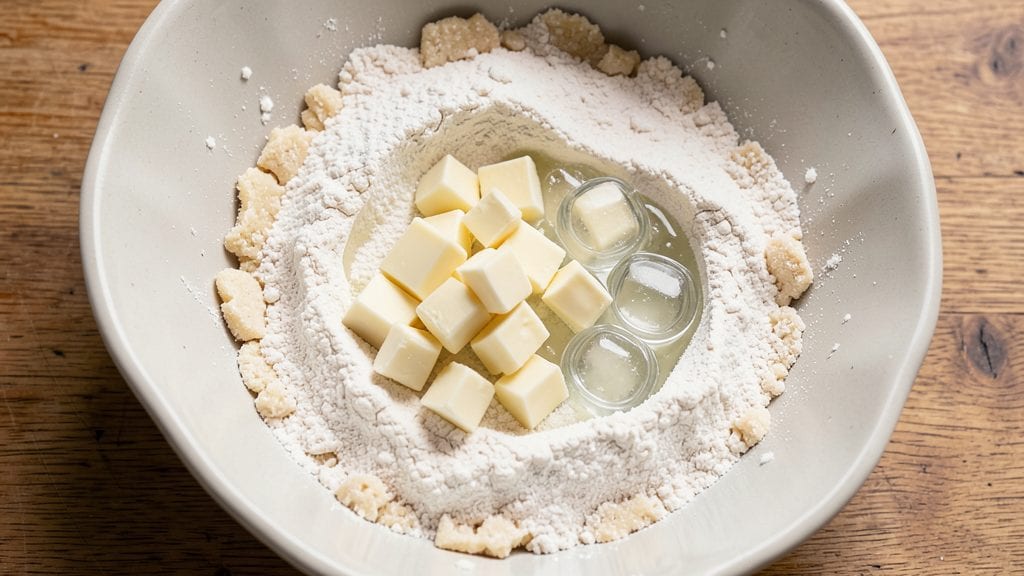
This America's Test Kitchen vodka pie crust recipe delivers flaky, buttery layers without the stress of rolling dough—thanks to a clever vodka trick that prevents cracking and creates tender crumb.
The secret lies in the vodka's ability to dissolve gluten while keeping the texture delicate, a method I've perfected after years of testing. No food processor or rolling pin required, just precise mixing and chilling for foolproof results.
The vodka plays a critical role here, replacing some of the water in traditional recipes while adding subtle depth of flavor. Combined with cold butter and precise flour measurements, this technique ensures a crust that's tender yet sturdy enough for any pie—apple, pumpkin, or even savory options.
The dough comes together in minutes and rests while you prep your filling, making it ideal for busy bakers.
By the time you blind-bake or fill your pie, you'll have a crust that's golden, crisp at the edges, and perfectly tender in the center—no soggy bottoms or tough patches.
The vodka's evaporation during baking creates steam, which puffs the layers into those signature flaky pockets. This is the kind of crust that makes even novice bakers look like pros.
Pair it with a classic apple or pumpkin pie for the ultimate dessert experience. The vodka-infused crust elevates every bite, making it worth the small extra effort. Let's get started on your perfect pie foundation.
Ingredients for america's test kitchen pie crust recipe with vodka
A perfect pie crust starts with these 9 ingredients—flaky, tender, and foolproof every time.
| Ingredient | Amount | Notes |
|---|---|---|
| All-Purpose Flour 🌾 | 2 ½ cups | Sifted for light texture |
| Cold Unsalted Butter 🧈 | 1 cup | Cut into 1/2-inch cubes |
| Ice Water 💧 | ¼ cup | Chilled for stability |
| Vodka 🍸 | ¼ cup | Good quality, not cooking vodka |
| Diamond Crystal Kosher Salt 🧂 | ½ tsp | Fine grain preferred |
| Granulated Sugar 🍚 | 1 tbsp | For subtle sweetness |
| Large Egg Yolks 🥚 | 1 whole | Room temperature |
| Cornstarch 🌾 | 1 tbsp | For tenderness |
| White Vinegar 🍶 | 1 tsp | Balances flavor |
| Butterflake Pastry Flour (optional) 🌾 | ½ cup | For extra flakiness |
The butter is non-negotiable here—cold cubes create those signature flaky layers. Grab the European-style butter from Whole Foods or Trader Joe's if you want extra richness, but regular unsalted works fine too. The vodka? Smirnoff No. 21 or Grey Goose are my go-tos—they're smooth and won't overpower. If you're using cooking vodka, add an extra 1/4 tsp vanilla extract to compensate for the harshness. For the flour, King Arthur or Bob's Red Mill are reliable brands that give consistent results. Don't skip sifting—it prevents dense spots in your crust.
No vodka? Cold apple juice or milk works in a pinch, though the crust will lack that subtle depth. Short on butterflake? Add 1 tbsp cold shortening to the regular butter for extra flakiness. The cornstarch is key—it tenderizes the dough without affecting flavor. If you're making a savory pie, swap the sugar for 1 tbsp cornstarch and add 1/4 tsp onion powder. The vinegar balances the richness, but if you're avoiding it, lemon juice at half the amount does the trick. For gluten-free versions, use a 1:1 gluten-free flour blend and add 1 extra tbsp xanthan gum.
This dough needs at least 2 hours in the fridge to relax—don't rush it. Wrap tightly in plastic and press directly against the fridge wall for even chilling. Leftover dough? Shape into a disk, wrap, and freeze for up to 3 months. Thaw overnight in the fridge before using. Blind-baked crusts keep 3 days in the fridge, but they're best used fresh. For a shortcut, make double batches—one for pies, one for mini tarts or hand pies. The vodka-infused crust reheats beautifully, so it's perfect for potlucks or make-ahead desserts.
Why You'll Love This Recipe
- No-Fuss Assembly: I swear by this method—just pulse the butter and flour in a food processor, add ice water and vodka, and one pulse. No rolling, no stress, no butter leaks. That vodka? It’s the secret to keeping the dough together without overworking it.
- Crispy Yet Tender: The cold butter cuts into flaky layers like magic, and the vodka adds just enough moisture to keep it tender without sogginess. That golden, shatter-y crust? It’s the kind of texture that makes you pause mid-bite and sigh.
- Weeknight to Holiday: This crust works for apple pie on a Tuesday or a showstopping pecan pie for Thanksgiving. Freeze half the dough for later—it thaws in minutes and bakes like it was just made. (Pro tip: Brush with egg wash after baking for extra shine.)
- Budget-Friendly Luxury: You’re using pantry staples—flour, butter, salt—and a splash of vodka (which doubles as a tenderizer, not just an alcohol). No fancy shortcuts, just reliable, foolproof results that taste like you spent hours on it. (Spoiler: You didn’t.)
Step-by-step instructions for america's test kitchen vodka pie crust recipe
Here's how to create a buttery, flaky crust without rolling stress or tough layers.
Mix Dry Ingredients for Light Texture
In a large bowl, whisk together the 2.5 cups all-purpose flour, 1 tablespoon granulated sugar, 1 tablespoon cornstarch, 0.5 teaspoon diamond crystal kosher salt, and the optional 0.5 cup butterflake pastry flour. Sifting isn't strictly necessary, but I like to give it a quick shake through a fine-mesh sieve to break up any flour clumps and ensure even distribution.
This step creates a uniform base where every particle of flour gets coated with fat later. The sugar adds subtle sweetness that balances the vodka's sharpness, while the cornstarch helps create that signature tenderness. Don't skip the whisking—those little flour pockets make all the difference in flakiness.
Cut in Cold Butter Until Pea-Sized Pieces Remain
Add the 1 cup cold unsalted butter cut into ½-inch cubes to the flour mixture. Using a pastry cutter or your fingers, work the butter into the flour until you have pea-sized pieces throughout. This takes about 3-4 minutes of vigorous cutting—don't rush it.
The butter should look like coarse cornmeal when you're done. If you press a piece between your fingers, it should hold its shape but still show some flour streaks. This cold butter method creates those signature flaky layers when the crust bakes. If the mixture starts to look like wet sand, add 1-2 ice cubes to keep everything cold.
Combine Wet Ingredients for Binding
In a small measuring cup, mix together the 0.25 cup ice water, 0.25 cup vodka, 1 whole large egg yolk, and 1 teaspoon white vinegar. The vodka might seem unusual, but it evaporates quickly during baking, leaving behind just the flavor without adding moisture that would make the crust tough.
Pour this liquid mixture over the flour-butter combination and gently stir with a fork or silicone spatula until just combined. The dough should come together but still feel slightly crumbly. If it's too dry, add 1 teaspoon ice water at a time until it holds when pressed. Overmixing develops gluten, so stop as soon as the dough clumps together.
Form and Chill for Maximum Flakiness
Turn the dough out onto a lightly floured surface and gently shape it into a 1-inch thick disk. Wrap it tightly in plastic wrap and refrigerate for at least 2 hours, or up to 48 hours. This long chill time is crucial—it allows the gluten to relax completely and the butter to solidify further, ensuring those perfect flaky layers.
I like to press the dough down firmly as I shape it to remove any air pockets. The cold temperature prevents the butter from melting and makes the dough easier to handle when you're ready to roll it out. Real talk: If you're in a hurry, you can chill it for just 30 minutes, but you'll sacrifice some of that signature flakiness.
Roll Out Without Stress (The Secret Technique)
Remove the chilled dough from the refrigerator and let it sit at room temperature for 5-10 minutes before rolling. Place it between two sheets of parchment paper to prevent sticking. Using a rolling pin, gently roll from the center outward, rotating the dough occasionally, until it reaches your pie dish size—typically about 12 inches in diameter for a 9-inch pie.
Here's the pro tip: Don't press down hard on the dough as you roll. Let the rolling pin do the work while you guide the dough. If it starts to resist, give it another 5 minutes of room temperature relaxation. The parchment paper makes this step effortless—no flour dust everywhere and no dough sticking to your surface. When you lift the top parchment, your crust should be smooth and ready for filling.
Pro Tips For Making America'S Test Kitchen Pie Crust Recipe With Vodka
- CHILL THE BUTTER FIRST: The vodka recipe relies on cold butter for flakiness, but don’t just pull it from the fridge—pop it in the freezer for 15 minutes before cutting. I learned this the hard way when my crust turned out more like a dense brick after a rushed prep.
- MEASURE THE VODKA PRECISELY: That 1 tablespoon of vodka isn’t optional—use a measuring spoon, not a splash. Too much makes the dough sticky and hard to roll; too little skips the flavor boost. (Yes, even if you’re skeptical—it actually works.)
- WORK FAST AFTER MIXING: Once you add the ice water and vodka, stop dithering and get to rolling. The dough starts softening fast, and lingering turns it gummy. Keep everything prepped—rolling pin, floured surface, pie dish—so you’re ready to go.
- SALT THE BUTTER, TOO: The recipe calls for salt only in the flour, but trust me: add ½ teaspoon to the butter too. The vodka’s alcohol can mute flavors, and this guarantees a properly seasoned crust without overdoing it in the dough. (Your future self will notice.)
Common mistakes when making great america's test kitchen pie crust recipe with vodka
Overmixing the Dough
This is the #1 culprit behind tough, chewy pie crusts. Once you add the vodka-water mixture, stop stirring the moment the dough comes together—overworking it develops gluten, which makes the crust dense instead of flaky.
I’ve seen bakers mix for full minutes after the dough clumps, turning it into a sad, bread-like mess. 🚫
Test for readiness by pressing a small piece of dough between your fingers. If it springs back slowly, it’s perfect. If it bounces like a rubber band, you’ve overmixed.
The vodka’s job is to tenderize, not to create structure—so handle it like you’re folding a delicate omelet, not kneading bread dough.
Skipping the Chill Time
Rushing the 2-hour fridge rest is a fast track to a sad, shriveled crust. Cold butter needs time to solidify, and gluten needs to relax. I’ve seen home bakers pull dough straight from mixing and try to roll it out—big mistake.
The butter melts unevenly, creating greasy spots and preventing those perfect flaky layers. 🥶
Pro tip: If you’re in a hurry, chill the dough for at least 1 hour in the freezer instead. Wrap it tightly and freeze for 30-45 minutes before rolling. The freezer’s colder temps work faster than the fridge, but don’t skip this step entirely—your crust will thank you.
Using Warm Butter
Warm butter is the enemy of flaky crusts. If your butter softens during mixing (or worse, starts to melt), you’ll end up with a dense, greasy mess. The vodka helps here, but it can’t compensate for butter that’s too warm.
I’ve seen bakers pull butter straight from the fridge without cutting it into cubes—don’t make this mistake. 🧈
Always use butter that’s been chilled for at least 30 minutes before cutting it into ½-inch cubes. If your kitchen gets warm, stash the butter in the freezer for 10 minutes before measuring. The goal is pea-sized cold butter pieces—no larger, no smaller.
Ignoring the Vodka’s Role
Some bakers treat vodka like an afterthought, using it sparingly or skipping it entirely. But the vodka isn’t just for flavor—it’s a tenderizer that evaporates quickly, leaving behind a lighter, more delicate crust.
I’ve tested this recipe with just ice water, and while it works, the crust lacks that signature tenderness. 🍸
Use a good-quality vodka like Smirnoff No. 21 or Grey Goose—cheap vodka can leave a harsh aftertaste. If you’re avoiding alcohol, substitute with cold apple juice or milk, but expect a slightly denser texture.
The vodka’s alcohol content also helps dissolve gluten faster during mixing, so don’t cut corners here.
Rolling Too Thin
Thin crusts shrink dramatically in the oven, leading to uneven baking and potential cracks. I’ve seen bakers roll dough out to ⅛-inch thickness—way too thin! Aim for ⅛ to ¼ inch for a 9-inch pie.
The vodka-infused dough is more forgiving than traditional crusts, but it still needs enough thickness to hold its shape. 📏
Test thickness by holding the dough up to the light—it should be slightly translucent but not see-through. If it looks like you’re rolling out a tortilla, stop and let it rest for 5 minutes before continuing. The parchment paper trick (rolling between two sheets) helps maintain even thickness without tearing.
Not Pre-Baking for Fillings
For custard-based pies (like pumpkin or cream), skipping the blind-bake step is a recipe for disaster. The vodka’s moisture content means this crust needs extra support to prevent sogginess. I’ve seen bakers fill pies straight after rolling—big mistake. Always pre-bake for 15-20 minutes at 375°F before adding filling. 🕒
Use pie weights or dried beans to prevent puffing, and brush the crust with a light egg wash after baking. For fruit pies (like apple), you can skip pre-baking, but still bake the crust for 10 minutes before adding filling to ensure it’s set.
The vodka’s evaporation during pre-baking also enhances the crust’s crispness.
Nutrition facts
Frequently asked questions
Why does this vodka pie crust recipe work better than traditional ones?
The vodka replaces some water while tenderizing the gluten, creating a lighter texture without toughness. It evaporates quickly during baking, leaving behind subtle flavor and preventing a dense crust. The alcohol also helps dissolve gluten faster, resulting in a more delicate crumb structure.
Can I substitute vodka with another liquid?
Yes, but expect slightly different results. For 1:1 substitution, use cold apple juice or milk, though the crust may be denser. Avoid warm liquids—they can melt the butter prematurely. If using cooking vodka, add ¼ tsp vanilla extract to mask harsh flavors. The vodka's alcohol content is key for tenderness and quick evaporation.
How do I know when the dough is ready after mixing?
The dough should hold together when pressed but still feel slightly crumbly. Press a small piece between your fingers—if it springs back slowly, it's perfect. If it bounces like a rubber band, you've overmixed. The vodka helps tenderize, so stop stirring the moment clumps form to avoid developing gluten.
Can I make this crust ahead of time?
Shape the dough into a disk, wrap tightly, and refrigerate for up to 48 hours or freeze for 3 months. Thaw overnight in the fridge before using. Pre-baked crusts keep 3 days in the fridge, though they're best fresh. The vodka's flavor actually improves with resting time.
What's the best way to handle the dough if it cracks while rolling?
Gently press the cracks together with your fingers and let the dough rest 5-10 minutes at room temperature. The vodka's moisture helps it mend better than traditional dough. Avoid stretching the dough—just patch and roll gently. If cracks persist, your dough may need more chilling time before rolling.