
Desserts
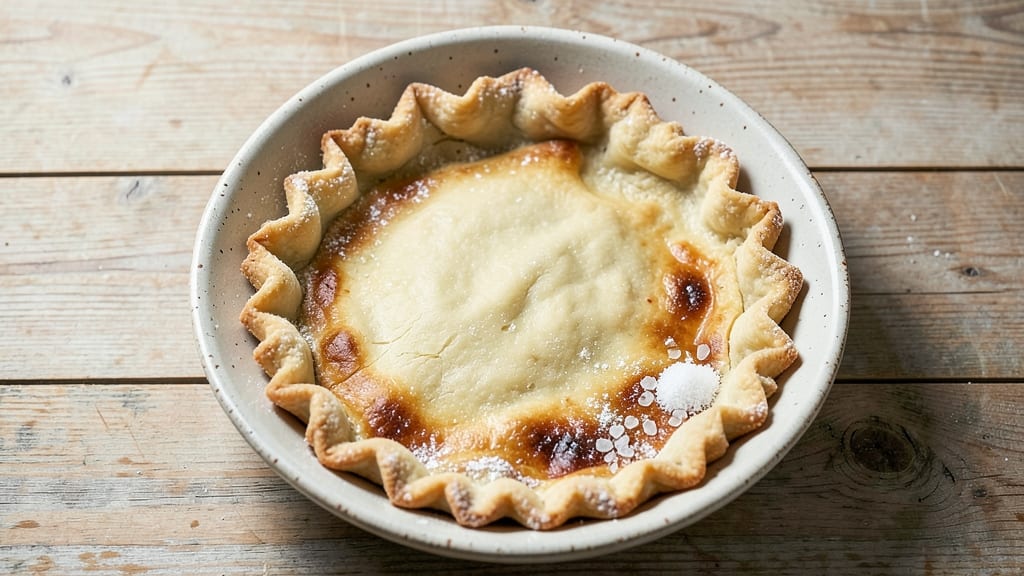
Jamie Oliver’s pie dough recipe delivers the kind of flaky layers that make every slice feel like a homecoming. I’ve adapted his foolproof method to work in 15 minutes—no chilling required—while keeping the signature buttery, tender texture he’s known for.
The secret lies in cold butter cubes and a quick, efficient rolling technique that prevents tough spots.
What sets this dough apart is its versatility—whether you’re baking a classic apple pie, a savory steak and ale pie, or even mini hand pies, the same method delivers professional results.
The dough comes together with just five ingredients, and the key step is cutting cold butter into the flour mixture until it resembles coarse crumbs. This ensures those signature layers melt into golden perfection.
By the time you pull your pie from the oven, you’ll have a crust that’s crisp around the edges and tender in the center, with flaky layers that practically sing when you cut into them.
The aroma alone will have everyone gathered around the table before the pie even cools. This is the kind of dough that transforms ordinary desserts into showstoppers.
Once baked, serve your pie warm with vanilla ice cream or whipped cream for a restaurant-quality finish. The beauty of this recipe is that it works for both sweet and savory pies—so let’s get started on creating that perfect, golden crust.
Ingredients for jamie oliver pie dough
Five simple ingredients for Jamie Oliver’s legendary flaky pie dough—no chilling needed.
| Ingredient | Amount | Notes |
|---|---|---|
| All-Purpose Flour 🌾 | 3 cups | Sifted for even texture |
| Unsalted Butter 🧈 | 1 cup | Cold, cubed into 1/2-inch pieces |
| Ice Water 💧 | ¼ cup | Chilled for best results |
| Fine Sea Salt 🧂 | ½ tsp | Adjust to taste |
| Granulated Sugar 🍚 | 1 tbsp | Balances butter richness |
The butter is everything. European-style unsalted butter (like Plugrá or President) has more fat content, which is key for those perfect layers. Grab it from Whole Foods or Costco if you want to splurge—regular supermarket brands work fine too. Keep those cubes cold until they’re fully incorporated into the flour. If your kitchen feels warm, pop them in the freezer for 10 minutes before starting. The sugar might seem odd, but it helps tenderize the dough and balances the butter’s richness—don’t skip it. Flour? King Arthur or Gold Medal are my go-tos, but any all-purpose will do.
No unsalted butter? Salted works in a pinch, but reduce the sea salt to 1/4 tsp. Running short on ice water? Cold sparkling water adds a fun little lift to the texture. The dough needs to hold together but not be sticky—if it’s too dry, add a splash more water; if too wet, toss in 1 tbsp more flour. Want extra flakiness? Freeze the butter cubes for 20 minutes before cutting them into the flour. And if you’re making mini pies, this dough works perfectly for hand pies too—just scale down the recipe.
This dough keeps 3 days in the fridge, wrapped tightly in plastic. For longer storage, freeze portions for up to 3 months—wrap each piece in parchment, then foil. I like to roll out the dough ahead of time and keep it in the fridge until ready to use. The secret to avoiding tough spots? Don’t overwork it—just handle it gently when rolling. And if you’re nervous about the no-chill method, don’t be—this dough bakes up just like the classic version, with those signature flaky layers.
Why You'll Love This Recipe
- No-Fuss Magic: I swear by this dough for lazy nights—just pulse butter and flour in a food processor, add ice water, and boom. No rolling pins, no stress, just a buttery, flaky crust that feels like a hug for your fillings.
- Sweet-Salty Balance: That pinch of sugar and sea salt? It’s the secret weapon. The crust has this subtle caramelized edge when baked, while the inside stays tender—like a grown-up cookie crust that won’t let you down.
- Weeknight Workhorse: Use it for savory pies (think roasted veggie or chicken pot pie) or sweet (apple, berry, or even a chocolate tart). I make a double batch on Sundays and freeze half—because why not have a backup for every craving?
- Budget-Friendly Luxury: Five ingredients, all pantry staples. The butter makes it feel special, but the cost? Peanuts. And since it keeps well, you’re not scrambling for last-minute store buys—just pull, thaw, and bake.
Step-by-step instructions for Jamie Oliver's pie dough
Here's how to make perfectly flaky layers with just five simple ingredients.
Mix the Dry Ingredients
Start by sifting the 3 cups all-purpose flour into a large mixing bowl. This helps aerate the flour and prevents dense dough. Add the 1 tablespoon granulated sugar and ½ teaspoon fine sea salt, then whisk everything together until evenly combined. The sugar balances the butter's richness while the salt enhances all the flavors—don't skip this step.
I like to use a whisk for this part because it breaks up any flour clumps right away. If you're using a stand mixer, just use the paddle attachment on low speed for about 10 seconds until everything is smooth. The goal here is to create a uniform base before adding the butter.
Cut in the Cold Butter
Add the 1 cup unsalted butter, cut into ½-inch cubes, to the dry ingredients. Using a pastry cutter or your fingers, work the butter into the flour mixture until you have pea-sized crumbs. This is called "cutting in," and it's what creates those signature flaky layers in your pie crust.
Here's the thing—your butter needs to stay cold. If it starts to melt, pop the bowl in the freezer for 5 minutes to firm it up again. The butter should still hold its shape when you press it between your fingers. Once you've got those crumbly, buttery bits, you're ready for the next step.
Add Ice Water Gradually
Pour in the ¼ cup ice water, just 1 tablespoon at a time, mixing gently with a fork or your fingers. You want to bring the dough together just enough to hold when pressed, but not so much that it becomes sticky. Overworking the dough now will make it tough later.
I know it seems weird, but you don't want to add all the water at once. The dough should come together when you press it lightly—it should hold its shape but still feel slightly crumbly. If it's too dry, add a tiny bit more water. If it's too wet, sprinkle in a little extra flour. This is where you'll feel the dough's texture for the first time, so pay attention.
Shape and Chill the Dough
Once the dough comes together, turn it out onto a lightly floured surface and gently shape it into a disk. Wrap it tightly in plastic wrap and refrigerate for at least 30 minutes. This resting period relaxes the gluten, which prevents shrinking when you roll it out later. Real talk: Don't skip this step—it makes all the difference in getting that perfect flaky texture.
While it's chilling, I like to preheat my oven to 375°F if I'm planning to blind-bake the crust. But for now, just let it rest. The cold dough is easier to handle, and it keeps the butter from melting too soon when you roll it out. If you're in a hurry, you can chill it for just 20 minutes, but 30 minutes is ideal.
Pro Tips For Making Jamie Oliver Pie Dough
- Cut Butter Cold: Take your unsalted butter straight from the fridge—no thawing—and chop it into pea-sized pieces before mixing. I learned this the hard way: room-temperature butter melts too fast, and you end up with a greasy mess instead of flaky layers. Trust me, the extra 30 seconds of chopping saves you from a soggy bottom.
- Measure Water Precisely: Use a kitchen scale or a proper measuring cup for the ice water—don’t eyeball it. Too much water makes the dough sticky and tough; too little means it won’t come together. I once skipped this and had to add flour mid-roll, which ruined the texture. Just weigh it out—it’s worth the effort.
- Rest the Dough Twice: Give the dough a 30-minute rest in the fridge before rolling it out, then another 15 minutes after shaping. This isn’t just about convenience—it relaxes the gluten so the crust doesn’t shrink or crack when baking. I used to skip the second rest, and my pies always looked like they’d been squeezed through a hole.
- Use a Mixer Sparingly: Pulse the dough in a food processor just until it clumps—overmixing turns it gummy. Stop when the mixture looks like wet sand, not a sticky ball. I was skeptical until I tried it: the crust stays light and crispy instead of dense. (Yes, even if you’re impatient like me.)
Regional styles of this recipe
British Classic
Jamie Oliver’s British roots shine through in this pie dough, which mirrors the flaky, buttery crusts found in classic British pies like steak and kidney or apple crumble.
The dough’s simplicity reflects traditional methods, where cold butter is cut into flour until it resembles breadcrumbs—a technique that ensures those signature layers. For an authentic touch, use Plugrá butter (a British favorite) and brush the baked crust with milk or egg wash for that golden finish. 🇬🇧
American Rustic Twist
In the U.S., this dough adapts beautifully to rustic-style pies, like a berry galette or pecan pie. The lack of chilling makes it perfect for last-minute gatherings, and the dough’s tenderness holds up well to Southern-style fillings.
For a Southern touch, add 1 tablespoon cornstarch to the flour for extra crispness—ideal for deep-dish pies or hand pies. I love this version for Thanksgiving, where the flaky layers complement rich fillings like sweet potato or pumpkin.
French Bistro Adaptation
For a French-inspired approach, replace 1 tablespoon of the flour with 1 tablespoon cornmeal to mimic the texture of a pâte brisée. This works wonderfully for tarte Tatin or savory galettes.
French cooks often finish their crusts with a sprinkle of coarse sugar before baking, adding a caramelized crunch. Pair this dough with a Burgundy red wine reduction for a bistro-worthy touch. 🍷
Australian Bush Pie
Down under, this dough is a staple for bush pies, like mince pies or lamb and vegetable pies. The key adaptation? Adding 1 teaspoon of dried rosemary to the flour for an earthy depth.
Australians often use self-raising flour (replace all-purpose with 3 cups self-raising minus 1½ teaspoons baking powder), which gives the crust a lighter texture. Serve with Vegemite on the side for a true Aussie brunch pie. 🇦🇺
Japanese Melted Butter Version
For a Japanese-inspired twist, melt 2 tablespoons of the butter (instead of using it cold) and mix it into the flour before cutting in the remaining cold cubes.
This creates a hybrid crust—flaky on the outside, slightly tender inside—perfect for savory pies like kimchi and pork or miso-glazed chicken. The melted butter adds a subtle richness that pairs well with umami flavors. Finish with a sprinkle of sesame seeds for extra texture. 🌏
Canadian Maple Sweet Dough
In Canada, this dough becomes a maple-infused sweet crust for pies like maple pecan or blueberry. Replace the granulated sugar with 1 tablespoon maple syrup and add ½ teaspoon cinnamon to the flour.
The syrup keeps the crust moist, while the cinnamon enhances fruit-forward fillings. Canadians often serve these pies with whipped cream and maple syrup for dipping. A true fall favorite! 🍁
Nutrition facts
Frequently asked questions
Why does Jamie Oliver's dough work without chilling?
The secret lies in using cold butter cubes (not softened) and handling the dough minimally. The cold butter creates steam during baking, which separates the layers naturally. The 30-minute rest relaxes the gluten just enough to prevent shrinking when rolled out. This method cuts prep time while keeping that signature flaky texture.
Can I make this dough ahead for Thanksgiving?
Shape the dough into disks, wrap tightly in plastic, and refrigerate for up to 3 days or freeze for 3 months. For best results, thaw overnight in the fridge before rolling. The dough's texture actually improves with time as the gluten relaxes further. Perfect for stress-free holiday baking!
What's the best way to fix overworked dough?
If your dough feels tough, stop immediately and let it rest for 10 minutes at room temperature. The key is to handle it as little as possible—only roll it once before fitting into your pie dish. For extra tenderness, add 1 tablespoon cold milk to the flour before mixing. Overworking develops gluten, which makes the crust tough rather than flaky.
How do I prevent a soggy bottom in fruit pies?
Prevent soggy bottoms by blind-baking the crust for 10-12 minutes at 375°F before adding filling. Line the crust with parchment paper, fill with pie weights or dried beans, then bake. For extra insurance, brush the baked crust with a thin layer of egg white wash before adding filling. This creates a barrier that keeps the crust crisp.
Can I use this dough for savory pies like steak and ale?
This dough works perfectly for savory pies! For a richer flavor, add 1 teaspoon dried thyme to the flour. The buttery layers complement meat fillings beautifully. Just ensure your pie dish is large enough to handle the filling's weight—this dough isn't as sturdy as deep-dish crusts. A classic British steak and ale pie is a must-try!