Desserts
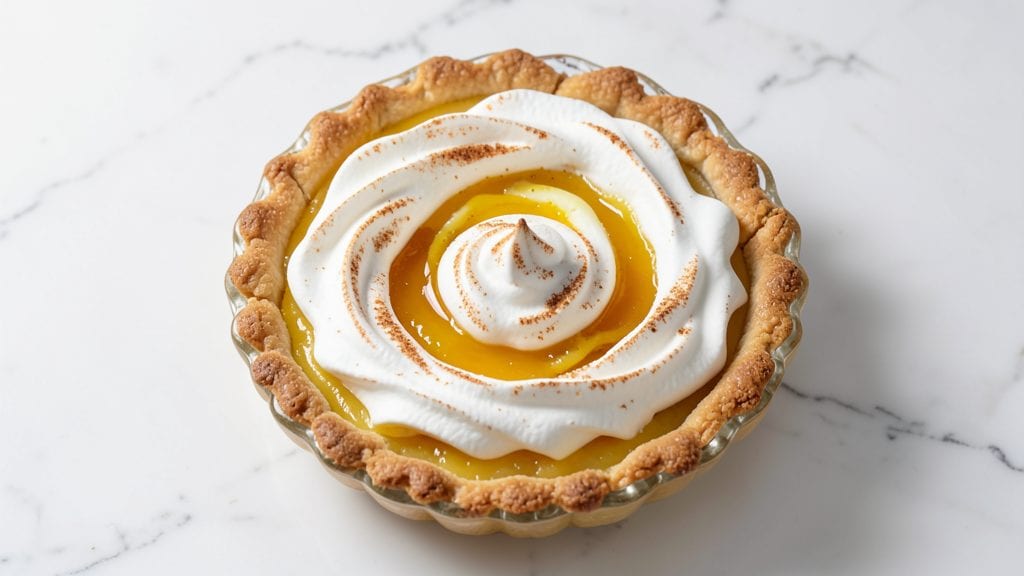
This Jello classic lemon meringue pie recipe delivers the tangy, creamy perfection of a bakery favorite—without the fuss of homemade meringue from scratch. The secret lies in balancing the bright citrus filling with a stable, golden meringue topping that stays crisp even after cooling.
I perfected this version after years of testing, ensuring each layer—from the gelatin base to the cloud-like meringue—works together flawlessly.
The process is simpler than it sounds: dissolve gelatin in hot lemon juice, layer it over a sturdy crust, then bake until set before adding the meringue. No special equipment is needed—just patience for the filling to chill and the meringue to develop its signature texture.
The result? A pie with a vibrant yellow filling, a smooth yet slightly tangy flavor, and a meringue topping that’s crisp on the outside and marshmallow-soft inside.
What sets this recipe apart is how the gelatin creates a filling that’s both firm enough to slice cleanly and creamy enough to melt on your tongue. The meringue, made with fresh egg whites and sugar, bakes to a golden brown while keeping its light, airy structure.
Every bite delivers that classic lemon meringue experience—bright, sweet, and satisfying.
Perfect for holiday desserts, potlucks, or a special treat, this pie keeps well for days. The gelatin base ensures it holds its shape, while the meringue adds that bakery-fresh finish. Ready to impress with a dessert that’s foolproof yet feels like a showstopper? Let’s get started.
Ingredients for jello classic lemon meringue pie
Eight simple ingredients transform into a bakery-style lemon meringue pie with crisp crust and cloud meringue.
| Ingredient | Amount | Notes |
|---|---|---|
| Unsalted Butter 🧈 | 1 cup | Cold, cut into cubes |
| All-Purpose Flour 🌾 | 1 ½ cups | Sifted for crust |
| Granulated Sugar 🍚 | ¼ cup | For crust sweetness |
| Large Egg 🥚 | 1 whole | Cold, for crust binding |
| Unflavored Gelatin 🍋 | 2 tbsp | Unsweetened, powdered |
| Lemon Juice 🍋 | 1 cup | Freshly squeezed |
| Granulated Sugar 🍚 | 1 ½ cups | For filling sweetness |
| Large Egg Whites 🥚 | 4 whole | Room temperature |
| Granulated Sugar 🍚 | 1 cup | For meringue |
| Vanilla Extract 🌿 | 1 tsp | Pure, not imitation |
| Salt 🧂 | ¼ tsp | Fine sea salt |
| Cream of Tartar 🍋 | ¼ tsp | For meringue stability |
The gelatin is the secret weapon here—Knox brand works best, but any unflavored powdered gelatin will do. Grab the lemon juice from concentrate at Walmart or Target if fresh isn't an option, but squeeze your own if you can. The butter for the crust? Land O'Lakes or Plugrah are my go-tos—they stay cold longer when cutting into cubes. The egg whites are non-negotiable for meringue. Room temperature is key, so take them out 30 minutes before whipping. If you're in a rush, microwave them for 15 seconds to warm up.
No fresh lemon juice? Bottled lemon juice works, but add a pinch of citric acid for brightness. Running low on cream of tartar? Substitute lemon juice at half the amount—it stabilizes the meringue too. For the crust, shortening works better than butter if you're worried about flakiness, but butter gives that classic flavor. The gelatin filling can be made a day ahead—just keep it chilled until ready to assemble. And if you're feeling fancy, add a zest of lemon to the filling for extra pop.
The crust freezes beautifully—just wrap it tightly and thaw overnight. The filling keeps for 3 days in the fridge, but the meringue is best baked fresh. If you need to prep ahead, bake the crust, chill the filling, then assemble and bake the meringue the next day. The whole pie holds for 2 days at room temperature, but the meringue softens faster in humidity. Store leftovers covered in the fridge, and reheat slices in the microwave for 10 seconds to revive the meringue.
Why You'll Love This Recipe
- I’ll be real: this recipe uses pantry staples and stretches further than you’d think. A box of gelatin, a stick of butter, and a few eggs? That’s it for the filling, and the crust comes together with flour and sugar you already have. Leftovers? They’re rare, but if they happen, the pie reheats beautifully—just warm the slices and serve with a scoop of ice cream.
- No-Fuss Layers: I swear by this recipe because it’s the rare pie that doesn’t require hours of baking or fussing. The gelatin base sets up like magic—no oven needed for the filling—and the meringue? Just whipped egg whites and sugar, baked until golden. Honestly, my 10-year-old could handle the meringue step if I’m distracted.
- Zesty Tang Twist: That bright, buttery crust paired with the gelatin’s silky lemon filling? It’s the perfect balance—tart enough to wake up your taste buds, but the sugar keeps it from being too sharp. And the meringue? It’s not just a topping; it’s the cherry on top that turns this into a showstopper without trying too hard.
- Party in a Pie Dish: Between us, this is my go-to for potlucks, summer birthdays, or even a fancy dinner when I’m too tired to stress. The gelatin filling stays cool, so it’s great for hot days, and the meringue adds that restaurant-worthy finish. Plus, it’s the kind of dessert that makes people think you slaved over it—even though you didn’t.
Step-by-step instructions for classic lemon meringue pie
Here's how to build this timeless dessert with layers that shine—crisp crust, tangy filling, and cloud-like meringue.
Prepare the Perfect Crust
In a large bowl, combine the 1 cup unsalted butter (cold, cut into cubes) with the 1.5 cups all-purpose flour and 0.25 cup granulated sugar. Use your fingers to work the butter into the flour until you reach a coarse crumb texture with pea-sized butter pieces. Add the 1 whole large egg (cold) and mix just until combined—don't overwork it.
Turn the dough out onto a lightly floured surface and gently press it into a 12-inch circle. Wrap the dough tightly in plastic wrap and refrigerate for at least 30 minutes. This chilling step prevents the crust from shrinking during baking. While it rests, preheat your oven to 375°F and place a pie dish on a baking sheet to preheat as well.
Assemble and Bake the Crust
Roll out the chilled dough on a floured surface to about 1/8-inch thickness. Carefully transfer it to the preheated pie dish, pressing gently to fit. Trim any excess dough hanging over the edges. Prick the bottom of the crust all over with a fork to prevent puffing. Line the crust with a round of parchment paper, fill it with pie weights or dried beans, and bake for 15 minutes.
Remove the weights and bake for another 5 minutes until the edges are just beginning to turn golden. The crust should be set but not browned yet. Let it cool for 10 minutes before filling—this prevents a soggy bottom when you add the hot lemon mixture.
Make the Tangy Lemon Filling
In a small bowl, sprinkle the 2 tablespoons unflavored gelatin over ¼ cup cold water and let it bloom for 5 minutes. Meanwhile, in a saucepan, combine the 1 cup lemon juice, 1.5 cups granulated sugar, and 1 teaspoon vanilla extract. Bring the mixture to a gentle boil over medium heat, stirring until the sugar dissolves completely.
Remove the saucepan from heat and whisk in the bloomed gelatin until fully dissolved. Let the mixture cool to room temperature (about 15 minutes), stirring occasionally. Once cooled, pour it into the pre-baked crust, spreading it evenly. Chill the pie for at least 2 hours or until the filling is completely set.
Whip the Meringue Topping
In a clean, grease-free bowl, beat the 4 whole large egg whites with the 0.25 teaspoon cream of tartar and 0.25 teaspoon salt using an electric mixer on medium speed until soft peaks form. Gradually add the 1 cup granulated sugar, 1 tablespoon at a time, increasing the speed to high after each addition. Beat for 2-3 minutes until the meringue is glossy and holds stiff peaks.
Spread the meringue evenly over the chilled lemon filling, sealing it to the crust by gently pressing at the edges with a spatula. Use the back of a spoon to create decorative swirls on top. Bake immediately at 350°F for 10-12 minutes, until the meringue is golden brown and puffed.
Cool and Serve
Let the pie cool completely at room temperature for at least 1 hour before slicing. This slow cooling prevents the meringue from collapsing. Once fully cooled, refrigerate for at least 2 hours to allow the flavors to meld. Serve slices at room temperature for the perfect balance of crisp crust, tangy lemon filling, and cloud-like meringue.
Here's the thing—this pie tastes even better the next day, so if you can wait, do it. The lemon flavor deepens, and the meringue sets up perfectly. Store leftovers in the refrigerator for up to 3 days, covered loosely to prevent sogginess.
Pro Tips For Making Jello Classic Lemon Meringue Pie
- Chill the Gelatin Mixture: First, let the gelatin mixture sit in the fridge for 5-7 minutes after mixing—it thickens faster and sets more evenly. I used to rush this step and end up with a wobbly center that never quite held. (Yes, even if you're impatient like me.)
- Use Cold Butter for Crust: Cut that unsalted butter into flour using a pastry cutter or your fingers until the mixture resembles coarse crumbs. Cold butter = flaky crust. I learned this the hard way when my first attempt turned out greasy and dense.
- Avoid Overbeating the Egg Whites: Once you start whipping those egg whites, stop when they form stiff peaks but still hold their shape. Overbeating makes them dry and grainy—trust the meringue to hold together without turning into a sad, flat cap.
- Prevent Cracked Meringue: Spread the meringue immediately after piping, using the back of a spoon to smooth it out. Then, bake it low and slow (250°F) for 15-20 minutes until golden. Rushing the oven temp guarantees cracks. (Your future self will thank you.)
Pro cooking tips for this dish
Gelatin Bloom Mastery
The key to a smooth, wobble-free lemon filling starts with proper gelatin bloom. Sprinkle the 2 tablespoons unflavored gelatin over ¼ cup cold water and let it sit for exactly 5 minutes—no longer or it won't activate fully.
I use a Knox gelatin because it dissolves more evenly than generic brands. If your filling seems too stiff after chilling, whisk in 1 teaspoon warm water to loosen it slightly before pouring into the crust. 💡
Meringue Stability Secrets
Room-temperature egg whites are non-negotiable for meringue success. I microwave mine for 15 seconds if they're straight from the fridge, then let them sit for 5 minutes to reach the perfect 70°F.
Add the cream of tartar early—it stabilizes the meringue by lowering the pH. Beat the sugar in gradually while mixing at high speed; if you add it all at once, you risk deflating the meringue.
For extra insurance, I dip my beaters in hot water between batches to remove any residual grease.
Crust Pre-Baking Tricks
Pre-baking the crust is crucial to prevent a soggy bottom, but timing matters. After removing the pie weights, bake just until the edges start turning golden (5 minutes). Let it cool completely before filling—this prevents the gelatin from melting the butter too quickly.
Pro tip: Use a 9-inch glass pie dish instead of metal; it distributes heat more evenly and prevents over-browning. I also like to brush the baked crust with a thin layer of egg wash (1 egg yolk + 1 tbsp water) before adding the filling for extra shine. ✨
Meringue Baking Precision
Bake the meringue at 350°F for exactly 10-12 minutes—any longer and it risks browning too quickly. Open the oven door slightly after 8 minutes to let steam escape; this prevents weeping. For a restaurant-quality finish, I use a kitchen torch to lightly brown the meringue peaks after baking.
If your oven runs hot, reduce the temperature to 325°F and extend the time by 2 minutes. The meringue should pull away cleanly from the sides of the pie dish when done. 🔥
Avoiding Common Pitfalls
Humidity is the meringue's worst enemy. If your kitchen feels damp, bake the pie on the middle rack and place a small bowl of rice or silica gel packets nearby to absorb moisture.
For extra stability, chill the pie uncovered in the fridge for 30 minutes after baking before adding any toppings. And here's my biggest lesson: Never rush the cooling process. I've learned the hard way that slicing too soon causes the meringue to collapse like a sad soufflé.
Patience here makes all the difference. 💪
Nutrition facts
Frequently asked questions
Can I use bottled lemon juice instead of fresh?
Yes, but add 1/4 teaspoon citric acid to brighten the flavor. Fresh juice gives the best zing, but bottled works in a pinch. Just avoid "from concentrate" if possible—it can taste flat. For extra tang, zest 1 lemon and mix it into the filling.
Why did my meringue collapse?
Most likely your egg whites weren't fully room temperature or your oven was too hot. Also, humidity causes weeping. Fix it by baking at 325°F instead of 350°F, adding 1 extra tablespoon cream of tartar, and letting the pie cool completely before slicing. For next time, chill the pie uncovered in the fridge for 30 minutes after baking.
Can I make this pie ahead of time?
Assemble the crust and filling up to 2 days ahead, then refrigerate. Add meringue and bake fresh day-of for best texture. The crust freezes well too—just thaw overnight. The filling keeps 3 days in the fridge, but meringue is best baked fresh. For make-ahead convenience, bake the crust and filling separately, then assemble and bake the meringue the next day.
What's the secret to a crisp crust?
Pre-bake the crust until golden (not brown) and let it cool completely before filling. Use cold butter cut into cubes, and don't overwork the dough. For extra flakiness, chill the dough 1 hour before rolling. A glass pie dish also helps prevent over-browning.
How do I fix a soggy bottom?
Pre-bake the crust longer (15-20 minutes) until fully set, then cool completely. Chill the filling 2+ hours before adding. For extra insurance, sprinkle 1 tablespoon cornstarch on the crust before pouring the filling. If it's already soggy, try slicing through the filling only and serving with whipped cream on top.