
Desserts
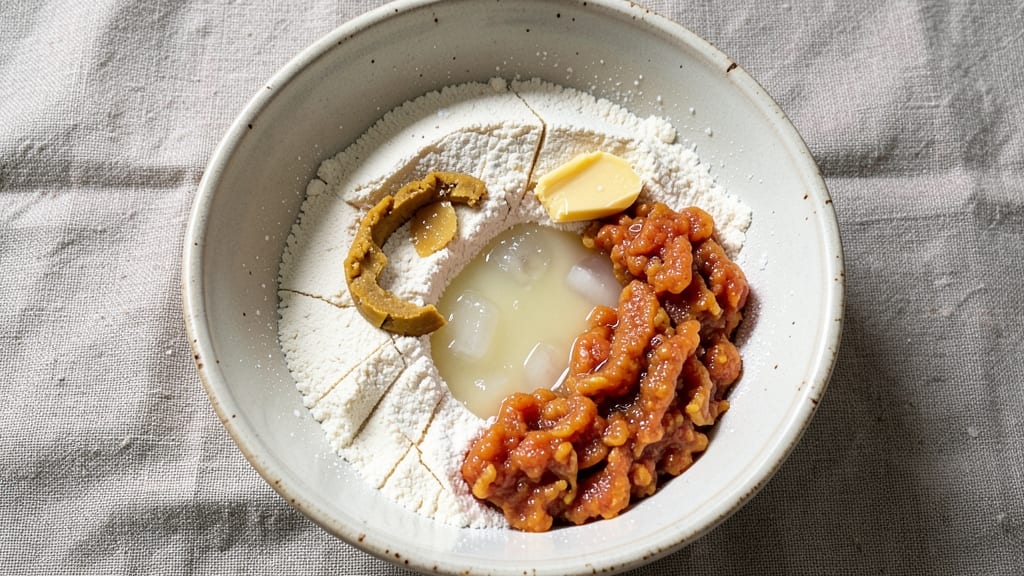
Transforming sourdough discard into a flaky pie crust isn’t just clever—it’s a game-changer for bakers who want to reduce waste without sacrificing quality. This recipe turns your starter scraps into a golden, tender crust that rivals store-bought, using just a few pantry staples and a bit of patience.
The secret lies in balancing the tangy discard with cold butter and precise handling, ensuring layers that melt in your mouth.
What makes this crust special is its simplicity and sustainability. No special equipment is needed—just a food processor, a rolling pin, and time to let the dough rest. The discard adds natural acidity, which enhances flavor and creates that signature flakiness when baked properly.
It’s vegetarian by default but can easily be adapted for vegan diets with flax eggs and plant-based butter.
By the end, you’ll have a flaky, buttery crust ready for your favorite pie filling—whether it’s classic apple, hearty mushroom, or sweet berries. The best part? You’ll be using up discard that would otherwise go to waste, making this both eco-friendly and economical.
Let’s get started on creating layers that’ll impress even the most critical pie lovers.
Once you master this crust, the possibilities are endless. Try it with a rich pumpkin filling for fall, a tangy rhubarb compote for spring, or even a savory wild mushroom and caramelized onion pie for a unique twist.
The technique is foolproof, and the results will have you reaching for your sourdough starter more often than ever.
Ingredients for sourdough discard pie crust
Just nine ingredients transform your sourdough scraps into a flaky, golden crust—no waste, all flavor.
| Ingredient | Amount | Notes |
|---|---|---|
| Sourdough Discard 🍞 | 1 cup | Active, bubbly discard (not dry) |
| All-Purpose Flour 🌾 | 2 ½ cups | White or whole wheat blend |
| Cold Unsalted Butter 🧈 | ¾ cup | Cut into 1/2-inch cubes (8 tbsp) |
| Ice Water 💧 | ¼ cup | Chilled, for binding |
| Fine Sea Salt 🧂 | ½ tsp | Adjust to taste |
| Granulated Sugar 🍚 | 1 tbsp | For slight sweetness |
| Cornstarch 🌾 | 1 tbsp | For extra flakiness |
| Lemon Juice 🍋 | 1 tsp | Brightens flavor |
| Vegetable Oil 🫒 | 1 tbsp | For food processor |
Your discard needs to be active—look for bubbles and a slightly tangy smell. King Arthur or Bob’s Red Mill flours work best for texture, but any all-purpose will do. Butter is non-negotiable here: Plugrá or Land O’Lakes unsalted are my go-tos, but any cold, high-fat butter works. The key is keeping everything cold—even the water. If your discard is too dry, add a splash of water; if it’s too wet, add a bit more flour. The lemon juice might seem odd, but it balances the sourdough’s tang and adds brightness (trust me on this).
No sourdough discard? Store-bought pizza dough or vegan sourdough starter works in a pinch, though the flavor won’t be the same. Short on butter? Coconut oil or vegan butter keeps it flaky, but texture might shift slightly. The cornstarch is optional but worth it—it mimics the effect of lard in traditional crusts. If you’re making this vegan, swap the butter for Earth Balance vegan butter and use flax eggs in the filling. Pre-shredded cheese? Freshly grated Parmesan changes the game—same goes for your butter.
This dough needs at least 1 hour of chilling, so plan ahead. Wrap tightly in plastic and refrigerate—it’ll keep for up to 3 days. For best results, roll it out between two sheets of parchment paper to avoid sticking. Leftover dough? Shape into a disc, freeze for up to 3 months, and thaw overnight before using. The crust reheats beautifully—just bake at 375°F for 10-15 minutes until golden. Perfect for meal prep!
Why You'll Love This Recipe
- No Waste, All Flavor: I swear by this crust because it turns something I’d normally toss into something golden and crisp. That tangy discard? It’s the secret weapon—just mix it with flour and butter, and suddenly you’ve got a crust that tastes like you slaved over it.
- Crispy Without the Hassle: Honestly, this crust is foolproof. You don’t need a food processor or fancy techniques—just cut cold butter into dry ingredients until it looks like coarse sand, then add ice water. Roll it out, and boom: flaky layers every time, no stress.
- Pie for Any Occasion: Between us, this crust works for everything. Apple pie? Handheld quiche? Even a savory tart with caramelized onions. I’ve used it for holidays, lazy Sundays, and even packed it in lunches (yes, really). It’s that reliable.
- Budget-Friendly Magic: Cold butter and flour are cheap staples, and sourdough discard? Free if you bake already. I’ve made a whole pie for under $3—crisp, buttery, and no one guesses it’s “discard magic.” That’s the kind of win I live for.
Step-by-step instructions for sourdough discard pie crust
Here's how to transform your sourdough starter into a restaurant-quality crust with minimal effort.
Mix the Dry Ingredients and Prep the Butter
In a large bowl, whisk together the 2.5 cups all-purpose flour, 1 tablespoon granulated sugar, 1 tablespoon cornstarch, and 0.5 teaspoon fine sea salt. This combination creates the perfect balance of structure and flakiness. Use a whisk to break up any flour lumps completely—this ensures even distribution of the sugar and salt throughout the crust.
Cut the 0.75 cup cold unsalted butter into ½-inch cubes (about 8 tablespoons) and place them in the bowl with the dry ingredients. The cold butter is crucial—it needs to remain firm to create those signature flaky layers. Use your fingers to gently toss the butter cubes with the flour mixture until each piece is lightly coated. This step prevents large butter clumps that could create uneven texture in your crust.
Add Sourdough Discard and Lemon Juice
Add the 1 cup sourdough discard to the bowl and stir gently with a wooden spoon or silicone spatula. The discard should be active and bubbly—if it's dry or flat, your crust may not rise properly. Mix just until the discard is evenly distributed throughout the flour mixture, leaving some dry spots. This prevents overdevelopment of gluten, which can make the crust tough.
Drizzle in the 1 teaspoon lemon juice and mix lightly. The acidity from the lemon juice brightens the flavor and helps balance the richness of the butter. At this stage, the mixture should resemble coarse crumbs with some butter pieces still visible. If it looks too shaggy, don't worry—it will come together in the next step. The key is to handle the dough as little as possible to preserve that delicate flakiness.
Incorporate Ice Water and Form the Dough
Add the 0.25 cup ice water to the bowl, 1 tablespoon at a time, mixing gently after each addition with the spatula. The ice water is essential for binding the dough without warming the butter too much. Stop adding water as soon as the mixture begins to clump together—you want just enough moisture to hold the dough together without making it sticky.
Once the dough comes together, lightly dust a clean surface with flour and turn out the dough. Gently shape it into a loose disk, being careful not to overwork it. The dough should be cool to the touch and slightly crumbly. If it feels too dry, add a few drops more ice water; if it's too sticky, chill it for 10 minutes before proceeding. This step ensures you'll have a manageable dough that's ready for rolling.
Chill and Roll Out the Dough
Wrap the dough disk tightly in plastic wrap and refrigerate for at least 1 hour, or up to 24 hours. Chilling is non-negotiable—it firms up the butter and relaxes the gluten, making the dough much easier to roll out. The longer it chills, the flakier your crust will be. I like to place the dough on a plate before wrapping to maintain its shape during chilling.
After chilling, remove the dough from the refrigerator and let it sit at room temperature for 5-10 minutes to soften slightly. This makes it more pliable for rolling. On a lightly floured surface, roll the dough into a 12-inch circle, about ⅛-inch thick. The goal is to keep the dough as cool as possible—warm dough will develop gluten and lose its flakiness. If the edges start to stick, dust with more flour and gently lift the dough to re-roll.
Blind-Bake for Perfect Texture
Preheat your oven to 375°F. Transfer the rolled-out dough to a 9-inch pie dish, gently pressing it into the bottom and up the sides. Trim any excess dough, leaving about ½-inch overhang. Fold the overhang under itself to create a neat edge. Place a sheet of parchment paper over the dough and fill it with pie weights or dried beans. This step prevents the crust from puffing up during baking.
Bake for 20-25 minutes until the edges are golden brown and the crust is firm to the touch. Remove the weights and parchment, then bake for an additional 5-10 minutes until the bottom is lightly golden. The crust should be crisp but not dark brown. For extra flakiness, you can brush the baked crust with a beaten egg or milk before adding your filling. Let the crust cool slightly before filling—this prevents soggy bottoms.
Pro Tips For Making Sourdough Discard Pie Crust
- Use Discard at Peak Activity: I learned this the hard way—overly mature discard (more than 7 days old or with a vinegary smell) will make your crust taste sour and dense. Use discard that’s 3–5 days old, when it’s bubbly but still mild. If yours is older, mix equal parts with fresh flour to balance the tang.
- Cut Butter Like You Mean It: Cold butter is non-negotiable, but most people don’t cut it small enough. Pulse it in a food processor until it resembles coarse cornmeal—no pea-sized chunks. This ensures even distribution and maximum flakiness. (Yes, even if you’re tempted to skip this step.)
- Don’t Overwork the Dough: Sourdough discard is sticky, and it’s easy to overmix when trying to fix it. Once the dough comes together, handle it just enough to shape it—no more than 30 seconds of kneading. Overworking develops gluten, which makes the crust tough instead of tender.
- Chill the Dough Twice: Most recipes say to refrigerate overnight, but I double-chill for better results: after mixing, flatten the dough into a disc, wrap it loosely in plastic, and refrigerate for 1 hour. Then, roll it out and chill again for 20 minutes before baking. This prevents shrinking and ensures a crispier crust. (Your future self will thank you.)
Serving suggestions for this sourdough discard pie crust
Sweet Filling Pairings
Classic apple pie shines with this crust—use a mix of Honeycrisp and Granny Smith apples for perfect balance. Toss them with 1 tbsp lemon juice, 2 tbsp brown sugar, and 1 tsp cinnamon before baking.
For a modern twist, try a berry galette with mixed blueberries, raspberries, and blackberries—simmer them with 1 tbsp cornstarch and 1 tbsp sugar to thicken. 🍏
Savory Filling Ideas
For a hearty option, make a wild mushroom and caramelized onion pie. Sauté 8 oz mixed mushrooms and 1 large onion in 2 tbsp butter until golden, then add 1 tsp thyme and ½ tsp black pepper.
Top with a Gruyère cheese crust by mixing ½ cup grated Gruyère into the dough before rolling. Another favorite? Spinach and ricotta with 10 oz chopped spinach, 15 oz ricotta, 1 egg, and ½ cup Parmesan. 🍄
Garnish Like a Pro
Brush the baked crust with a light egg wash (1 egg + 1 tbsp water) for a golden finish. For sweet pies, sprinkle coarse sugar or crushed pecans before baking.
On savory pies, add fresh herbs like thyme or rosemary after baking. A dusting of powdered sugar over berry pies adds elegance without overpowering flavors. 🌿
Presentation Tips
Use a pie server to slice clean, even portions—it’s a game-changer for serving. For rustic appeal, leave the crust slightly uneven and serve on a wooden board with a side of vanilla ice cream or sharp cheddar.
Label your pies with chalkboard tags for a farmhouse touch. Store leftovers in an airtight container for up to 3 days—reheat at 350°F for 10 minutes to restore crispiness. 🍽️
Seasonal Serving Ideas
In fall, pair your crust with pumpkin pie—mix 1.5 cups pumpkin puree, 1 can condensed milk, 2 eggs, and 1 tsp pumpkin pie spice.
For spring, try a rhubarb-strawberry pie with 3 cups chopped rhubarb and 2 cups sliced strawberries tossed in 3 tbsp sugar. In winter, a pecan pie with 1.5 cups pecans, 1 cup brown sugar, and 3 tbsp corn syrup feels cozy. 🍂
Nutrition facts
Frequently asked questions
Can I use this crust for deep-dish pies?
This recipe works best for standard single-crust or double-crust pies. For deep-dish, you'll need to adjust the dough quantity by about 30% (add 1 extra cup flour and 0.25 cup butter) and increase chilling time to 2 hours to prevent shrinking. The texture will still be flaky, but the thicker crust requires more structure.
What if my discard is too dry or too wet?
If your discard is dry, add 1-2 tablespoons ice water to the dough mixture. For overly wet discard, incorporate 1-2 extra tablespoons flour during mixing. The dough should hold together when pressed but not be sticky. Test by rolling a small piece—if it cracks excessively, add more water; if it sticks to everything, add flour.
How do I make this crust vegan?
Replace the butter with 0.75 cup vegan butter (like Earth Balance) and use 1 tablespoon flaxseed meal + 3 tablespoons water as an egg wash substitute for brushing. The crust will still be flaky, though texture may be slightly denser. For fillings, use plant-based milk and flax eggs instead of regular eggs.
Why did my crust turn out tough instead of flaky?
Overworking the dough or skipping the chilling step are the most common causes. Handle the dough minimally and always chill for at least 1 hour. Also, ensure your butter stays cold—if it melts during mixing, the layers won't form properly. For extra flakiness, freeze the dough for 30 minutes before rolling.
Can I freeze the unbaked crust?
Yes! Wrap the shaped dough tightly in plastic wrap, then place in a freezer bag. It keeps for up to 3 months. Thaw overnight in the fridge before rolling. For a shortcut, freeze the rolled-out crust (on parchment) in the pie dish—just add your filling and bake straight from frozen, increasing time by 10-15 minutes.